

Industry News
 05 2026-08
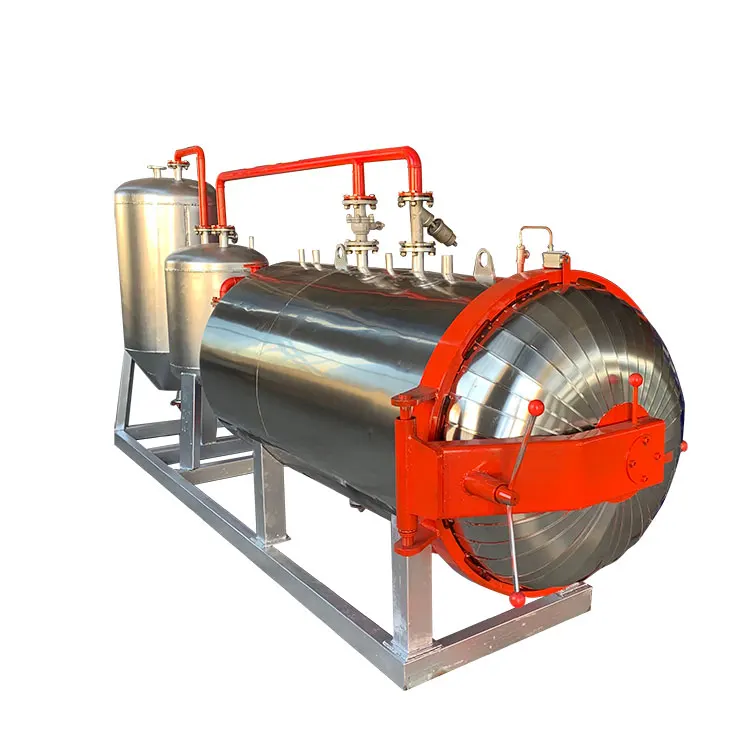
 How Does Dead Chicken Harmless Treatment Equipment Protect Farms and the Environment?
Modern poultry farming has become more efficient than ever, but it also faces important challenges in waste management and biosecurity. One of the most critical issues is how to safely handle dead chickens generated during breeding, transportation, and daily farm operations.
Dead Chicken Harmless Treatment Equipment provides a professional solution for processing dead poultry in a safer and more environmentally friendly way. Instead of allowing carcasses to be discarded randomly, these systems use controlled treatment methods to reduce biological risks and support sustainable farming practices.
 14 2026-04
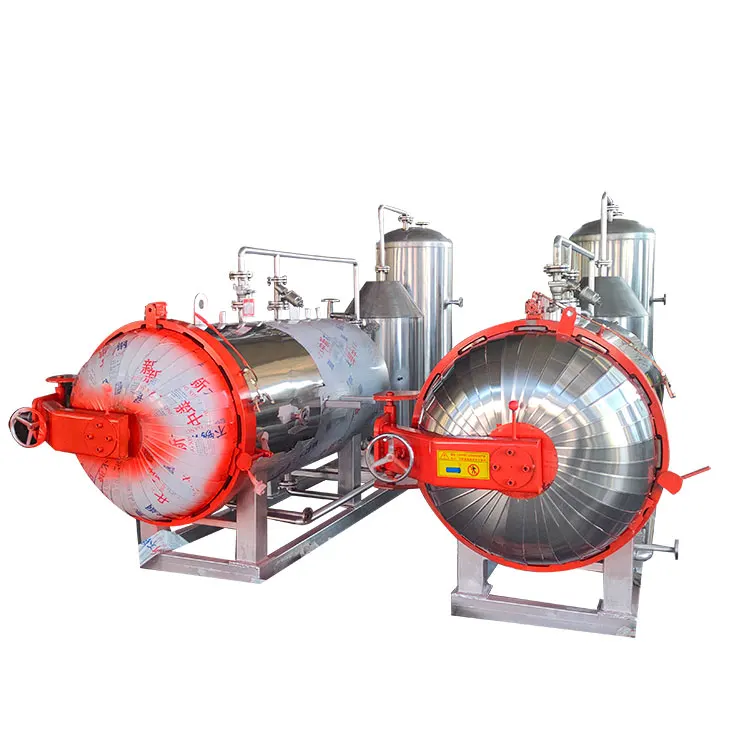
 What Is Dead Sheep Harmless Treatment Equipment and Why Is It Important
Dead sheep harmless treatment equipment is vital for the disposal and management of dead livestock, particularly sheep, in a safe and environmentally friendly manner. The proper treatment of dead animals helps prevent the spread of diseases, protects public health, and adheres to government regulations.
 08 2026-04
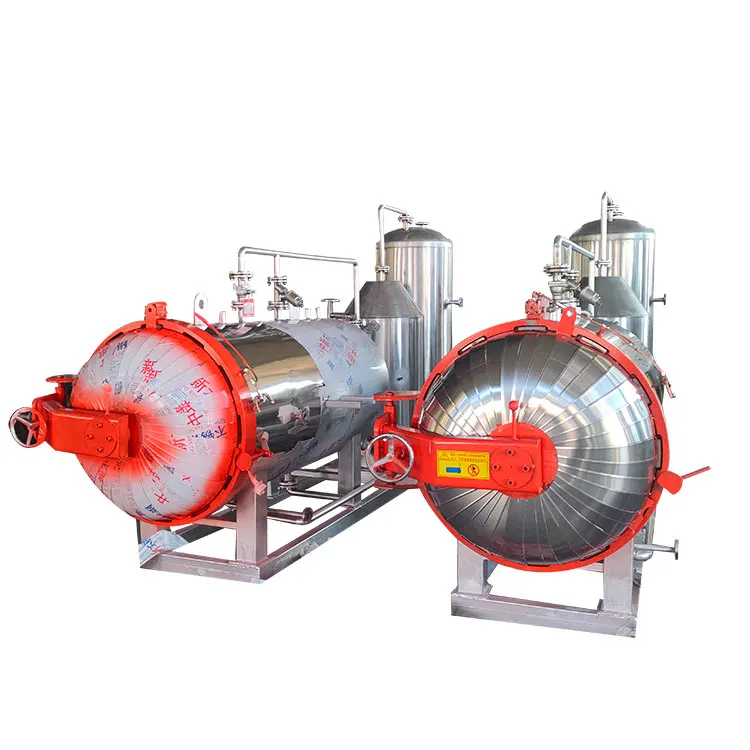
 What is Dead Sheep Harmless Treatment Equipment and Why is It Essential
Dead sheep are a serious concern in the agricultural industry, not only for their potential health risks but also for the environmental hazards they pose. The "Dead Sheep Harmless Treatment Equipment" plays a crucial role in ensuring that animal carcasses are disposed of safely and efficiently. In this blog post, we will explore the importance of this equipment, how it works, and why it is necessary for the health and safety of both livestock and the environment. We will also discuss how Chengming’s advanced equipment can be the solution to your needs.
 11 2026-03
 How Farm Harmless Treatment Equipment Improves Waste Management and Environmental Protection?
Modern livestock farming generates large volumes of manure, carcasses, and organic waste. If these materials are not treated properly, they may contaminate soil, water, and surrounding environments. Farm Harmless Treatment Equipment provides a systematic solution that converts harmful waste into safe, reusable materials through controlled processing technologies. This article explains how the equipment works, its key components, major advantages, and how farms can choose the right system to ensure safe and sustainable waste treatment.
 10 2026-03
 How Does a Harmless Treatment Dryer Improve Waste Treatment Efficiency?
Industrial waste treatment facilities face increasing pressure to process large volumes of organic waste, sludge, and hazardous by-products while maintaining environmental safety. One of the most reliable solutions used in modern waste management systems is the Harmless Treatment Dryer. This equipment is designed to reduce moisture content, stabilize waste materials, and prepare them for safe disposal or reuse.
 03 2026-03
 How Does an Animal Carcass Crusher Improve Safe and Efficient Disposal?
Animal carcass disposal is a critical challenge for farms, slaughterhouses, veterinary facilities, and environmental management authorities. Improper handling can lead to disease transmission, environmental contamination, regulatory penalties, and operational inefficiencies. An animal carcass crusher provides a controlled, mechanical solution to reduce carcass volume, improve downstream treatment efficiency, and support compliant disposal processes. This article explains how an animal carcass crusher works, addresses common customer pain points, and outlines key selection and operation considerations for long-term, reliable use. Chengming delivers engineered solutions designed for durability, safety, and consistent performance.