
How Does Dead Chicken Harmless Treatment Equipment Protect Farms and the Environment?
Modern poultry farming has become more efficient than ever, but it also faces important challenges in waste management and biosecurity. One of the most critical issues is how to safely handle dead chickens generated during breeding, transportation, and daily farm operations.
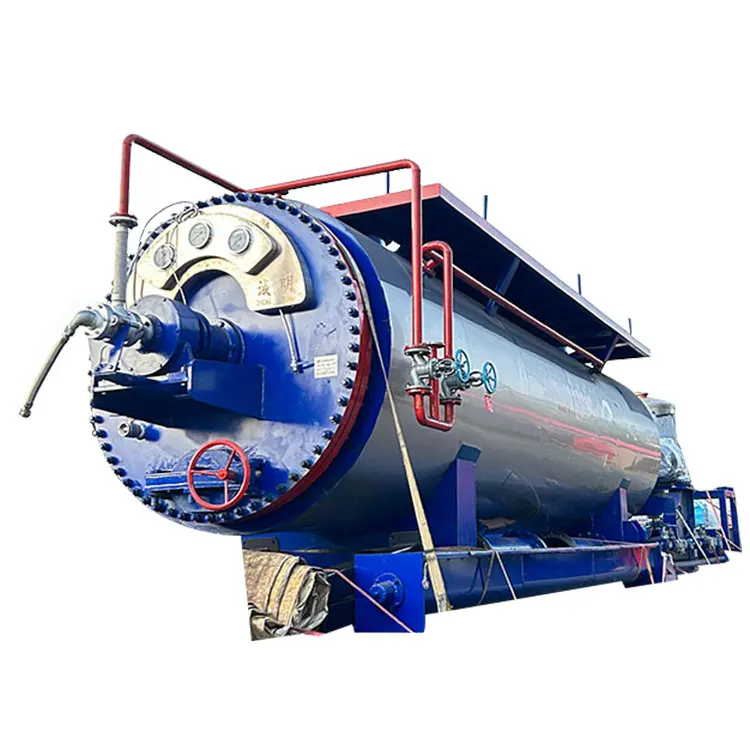
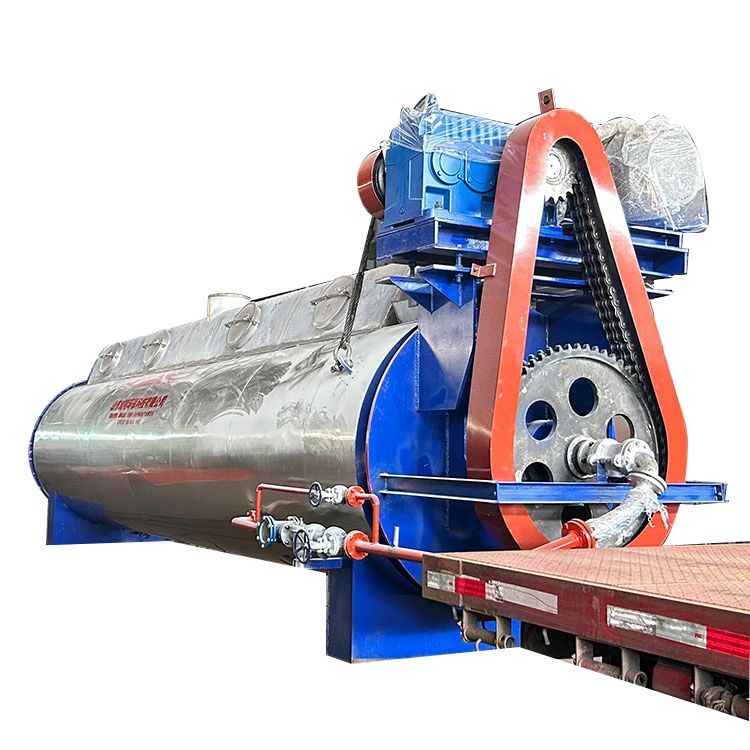
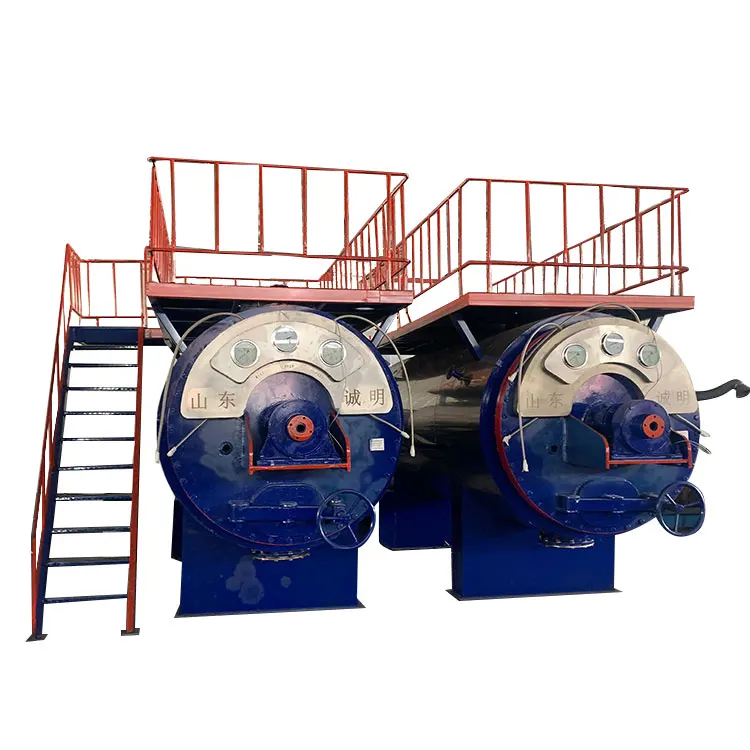
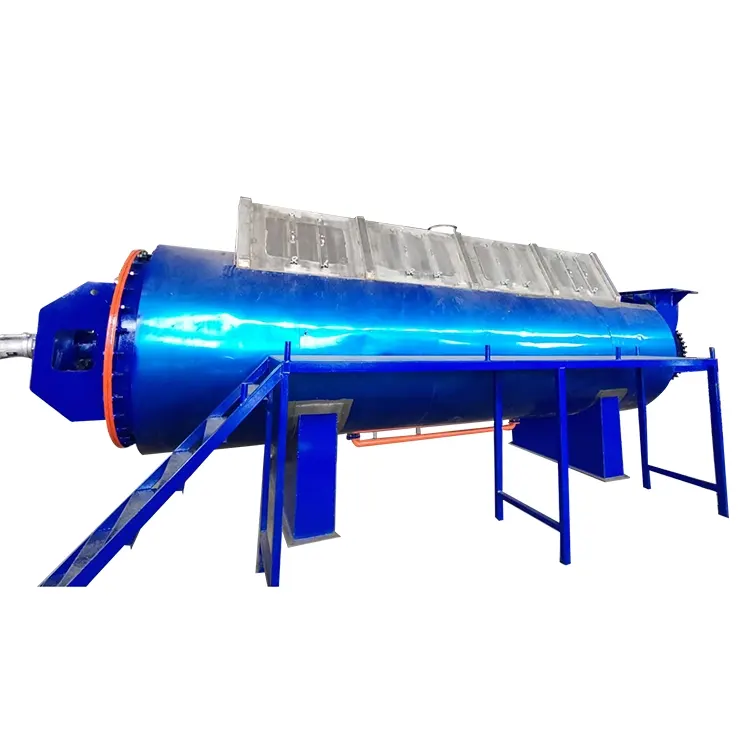
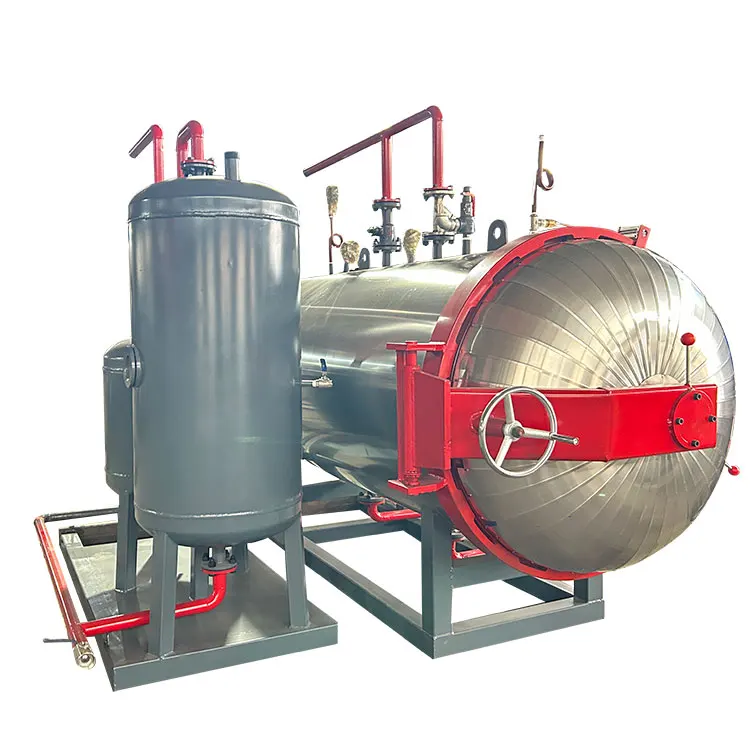
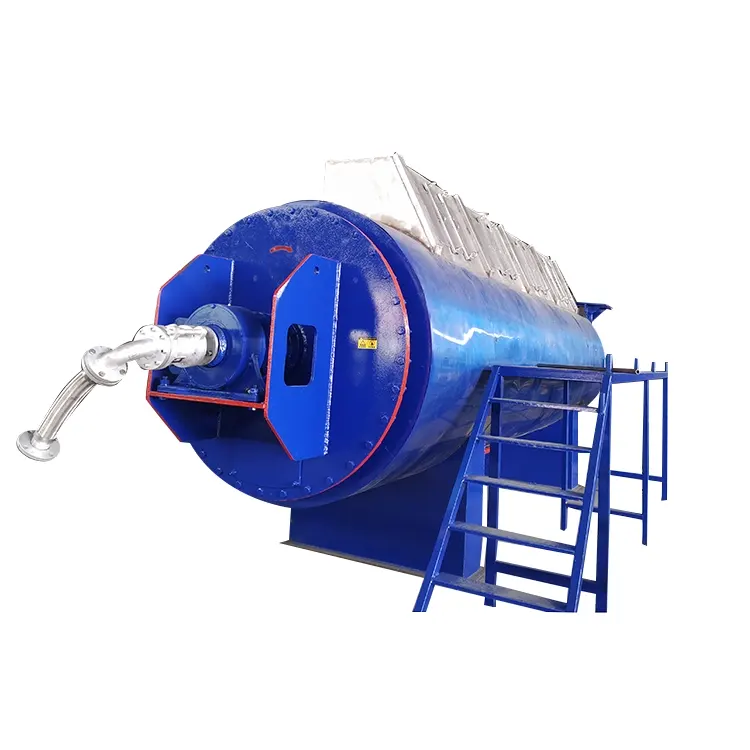
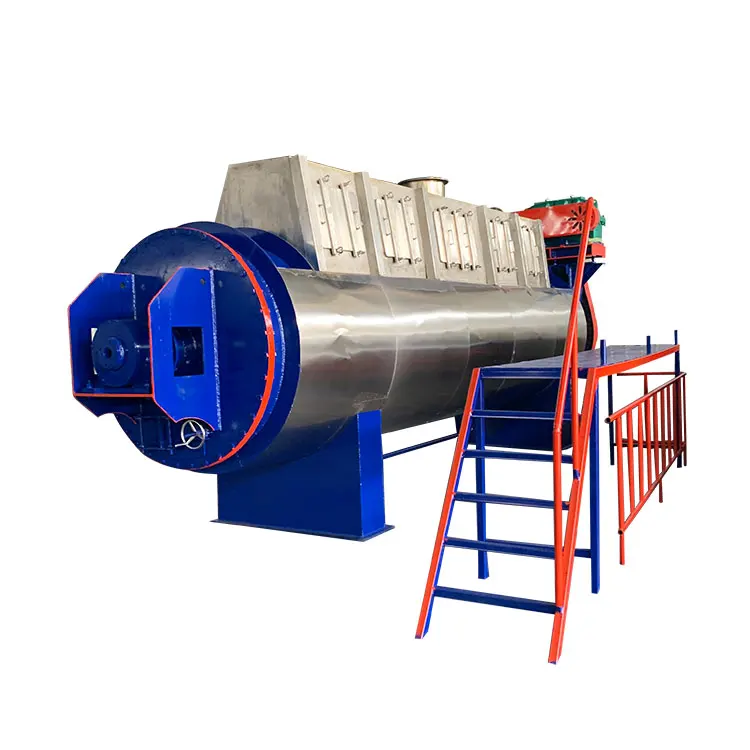
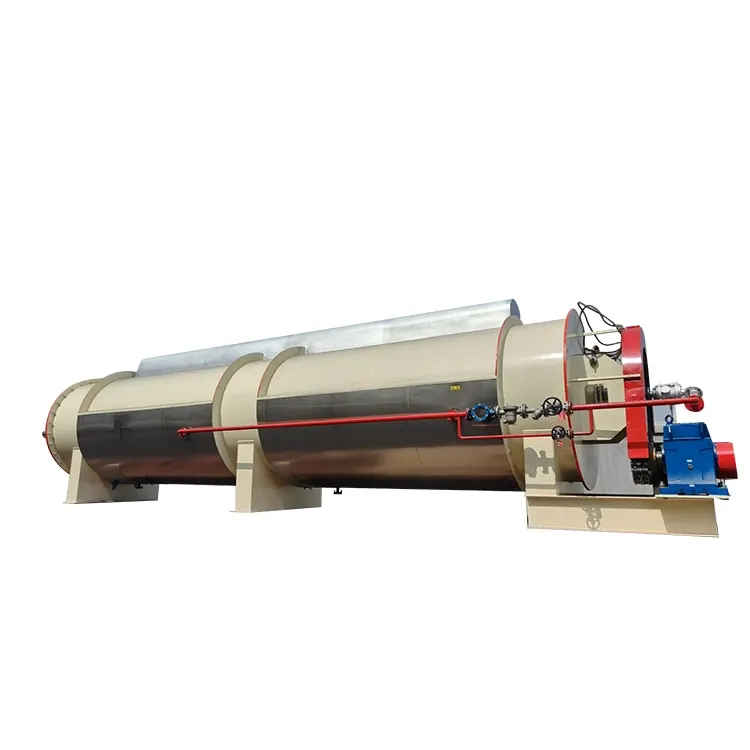
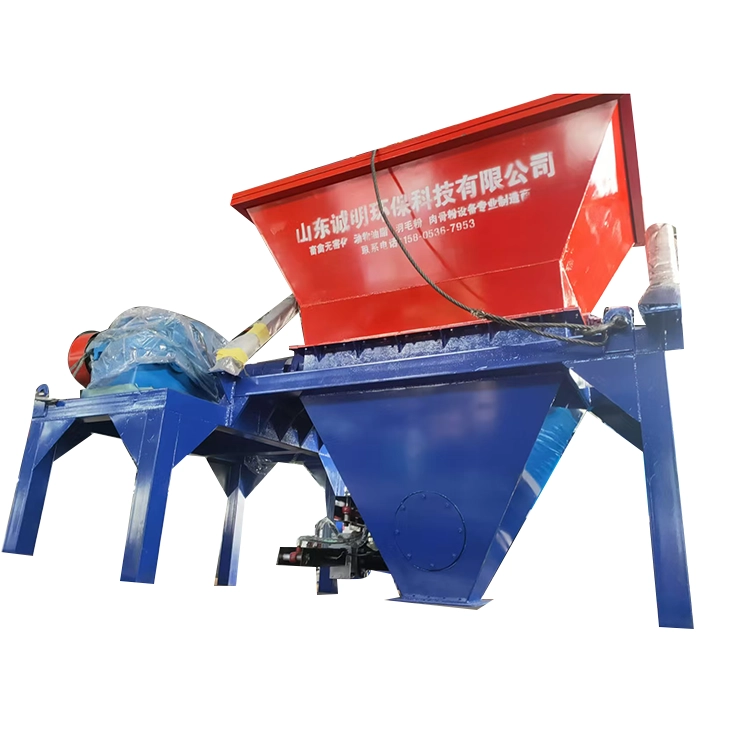
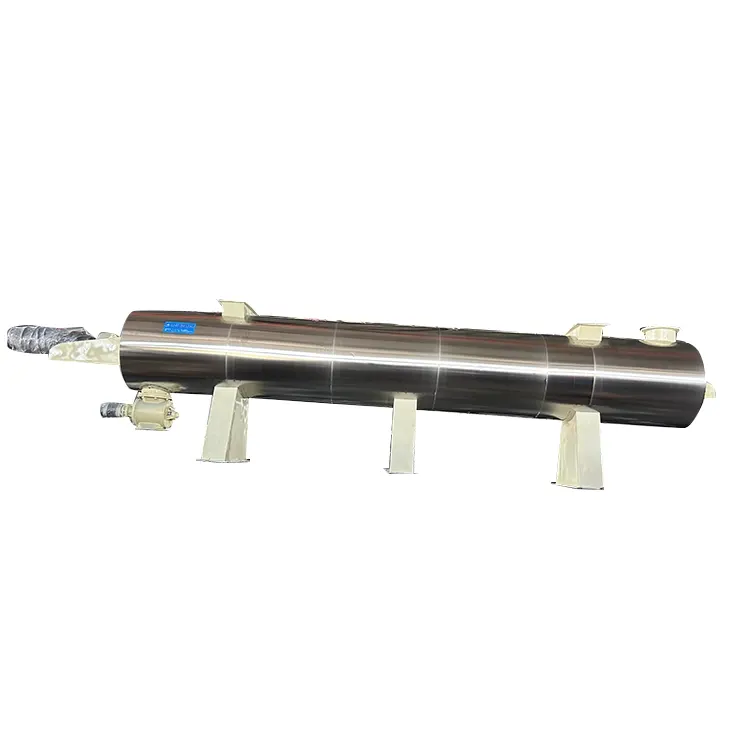
Dead Chicken Harmless Treatment Equipment provides a professional solution for processing dead poultry in a safer and more environmentally friendly way. Instead of allowing carcasses to be discarded randomly, these systems use controlled treatment methods to reduce biological risks and support sustainable farming practices.
Behind this type of equipment is not only waste disposal technology, but also a connection between animal health management, environmental protection, and modern agricultural development.
What Is Dead Chicken Harmless Treatment Equipment?
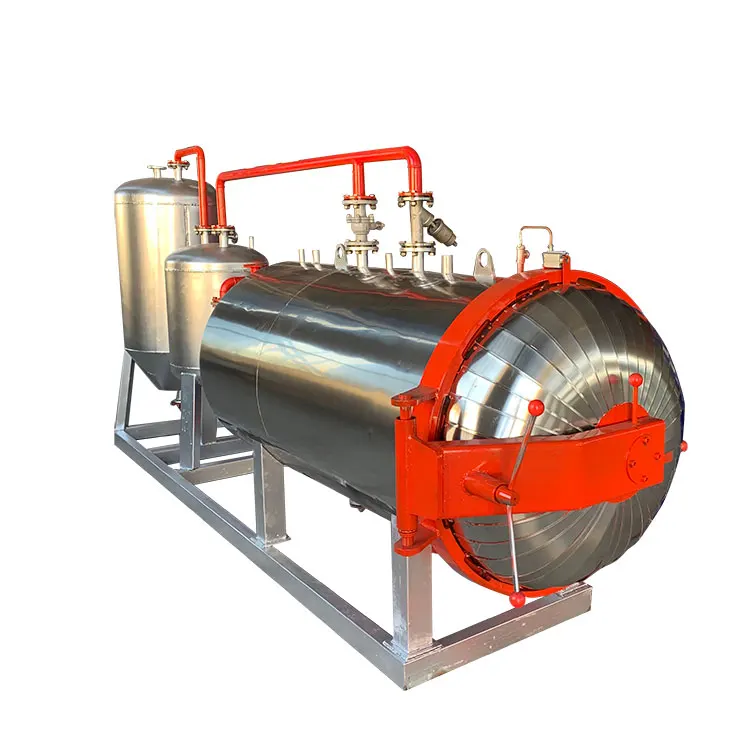
Dead Chicken Harmless Treatment Equipment is a specialized system designed to process dead poultry through scientific treatment methods, reducing potential hazards and making disposal safer.
The purpose of this equipment is not simply to remove waste, but to achieve harmless treatment through processes such as:
- High-temperature sterilization
- Waste reduction
- Organic material treatment
- Safe disposal or resource utilization
It is commonly used in:
- Poultry farms
- Animal breeding facilities
- Agricultural production bases
- Food supply chain facilities
Why Is Harmless Treatment Important for Dead Chickens?
A dead chicken may appear like ordinary biological waste, but improper handling can create environmental and management problems.
Random disposal methods may lead to:
- Unpleasant odors
- Environmental pollution
- Attraction of insects and animals
- Potential spread of microorganisms
For modern farms, safe disposal is an important part of maintaining overall biosecurity.
The Hidden Risks of Improper Dead Poultry Disposal
Many people do not realize that animal carcasses can become a source of biological concerns if they are not managed correctly.
1. Environmental Pollution
If dead poultry enters soil or water sources without proper treatment, organic materials may affect the surrounding environment.
2. Farm Biosecurity Challenges
Improper disposal may increase the risk of unwanted biological exposure around farms.
3. Management Difficulties
Large-scale farms need reliable systems to handle daily losses efficiently. Manual disposal methods are often difficult to manage as farm size increases.
How Does Dead Chicken Harmless Treatment Equipment Work?
Different equipment designs may use different technologies, but the general treatment process follows a controlled workflow.
A typical process includes:
Dead poultry collection
↓
Pre-treatment or size reduction
↓
High-temperature treatment or sterilization
↓
Harmless processing
↓
Final disposal or resource utilization
The Science Behind High-Temperature Treatment
One of the commonly used principles in harmless treatment is controlled high-temperature processing.
Heat treatment works by creating conditions that reduce biological risks through:
- Temperature control
- Extended processing time
- Moisture and material management
This technology is widely used because temperature is a reliable factor in biological waste treatment.
Main Technologies Used in Dead Chicken Treatment
1. High-Temperature Sterilization
This method uses heat to process poultry waste and improve disposal safety.
2. Biological Treatment
Some systems use controlled biological processes to transform organic materials into more stable substances.
3. Incineration Technology
Incineration uses high temperatures to reduce organic materials into ash and gases through combustion.
4. Rendering Technology
Rendering processes animal materials through heat treatment and separation, allowing some components to be reused.
Benefits of Using Dead Chicken Harmless Treatment Equipment
Improved Farm Biosecurity
A dedicated treatment system helps farms establish a more organized method for managing dead poultry.
Reduced Environmental Impact
Scientific treatment methods help reduce pollution risks associated with uncontrolled disposal.
Better Farm Management Efficiency
Automated or semi-automated equipment can reduce manual handling requirements and improve operational efficiency.
Support for Sustainable Agriculture
Modern agriculture is increasingly focused on reducing waste and improving resource management.
Dead Chicken Harmless Treatment Equipment vs Traditional Disposal Methods
| Feature | Harmless Treatment Equipment | Traditional Disposal Methods |
|---|---|---|
| Processing Method | Controlled scientific treatment | May lack standardized processes |
| Biosecurity | Helps reduce potential risks | Higher management challenges |
| Environmental Control | Designed for safer disposal | May cause pollution concerns |
| Efficiency | Suitable for continuous farm operations | Depends heavily on manual handling |
| Application | Modern farms and breeding facilities | Small-scale temporary solutions |
Why Are Poultry Farms Moving Toward Automated Treatment Systems?
As poultry production becomes larger and more professional, farms need solutions that can handle waste management more efficiently.
Automated treatment systems offer advantages such as:
- Reduced labor requirements
- More consistent processing
- Improved safety management
- Better integration with farm systems
The Role of Harmless Treatment in Modern Sustainable Farming
Sustainable farming is not only about increasing production. It also involves responsible management of waste and environmental impact.
Dead poultry treatment equipment supports this goal by connecting:
- Animal health management
- Environmental protection
- Resource utilization
- Modern agricultural technology
The Future Development of Dead Animal Treatment Technology
Future technologies in poultry waste treatment may focus on:
- Higher automation levels
- Energy-efficient processing
- Better monitoring systems
- Improved resource recovery
- Integration with smart farms
Conclusion
Dead Chicken Harmless Treatment Equipment plays an important role in modern poultry farming by providing a safer and more organized approach to dead poultry management.
From reducing environmental risks to supporting farm biosecurity, these systems represent an important step toward more sustainable agricultural practices.
As farming continues to develop, scientific treatment solutions will become increasingly important in creating cleaner, safer, and more efficient production environments.
Related News
- What Is Dead Sheep Harmless Treatment Equipment and Why Is It Important
- What is Dead Sheep Harmless Treatment Equipment and Why is It Essential
- How Farm Harmless Treatment Equipment Improves Waste Management and Environmental Protection?
- How Does a Harmless Treatment Dryer Improve Waste Treatment Efficiency?
- How Does an Animal Carcass Crusher Improve Safe and Efficient Disposal?
- How Does Feather Meal Equipment Enhance Animal Feed Production?
Leave me a message