
How Farm Harmless Treatment Equipment Improves Waste Management and Environmental Protection?
Article Summary
Modern livestock farming generates large volumes of manure, carcasses, and organic waste. If these materials are not treated properly, they may contaminate soil, water, and surrounding environments. Farm Harmless Treatment Equipment provides a systematic solution that converts harmful waste into safe, reusable materials through controlled processing technologies. This article explains how the equipment works, its key components, major advantages, and how farms can choose the right system to ensure safe and sustainable waste treatment.
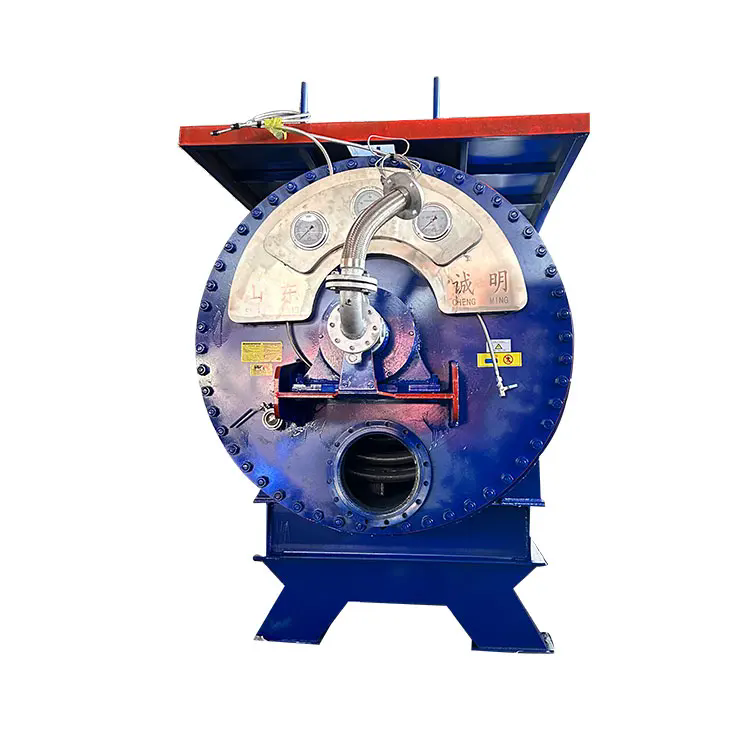
Table of Contents
- Introduction to Farm Harmless Treatment Equipment
- Why Waste Treatment Is Critical in Modern Farms
- How Farm Harmless Treatment Equipment Works
- Main Components of a Harmless Treatment System
- Typical Technical Parameters of the Equipment
- Key Benefits for Livestock Farms
- How to Select the Right Equipment for Your Farm
- Common Applications in Agricultural Operations
- Frequently Asked Questions
- Conclusion
Introduction to Farm Harmless Treatment Equipment
Livestock and poultry farms produce a significant amount of organic waste every day. These wastes include manure, dead animals, bedding materials, and leftover feed. Without proper treatment, such waste can produce harmful bacteria, unpleasant odors, and environmental pollution.
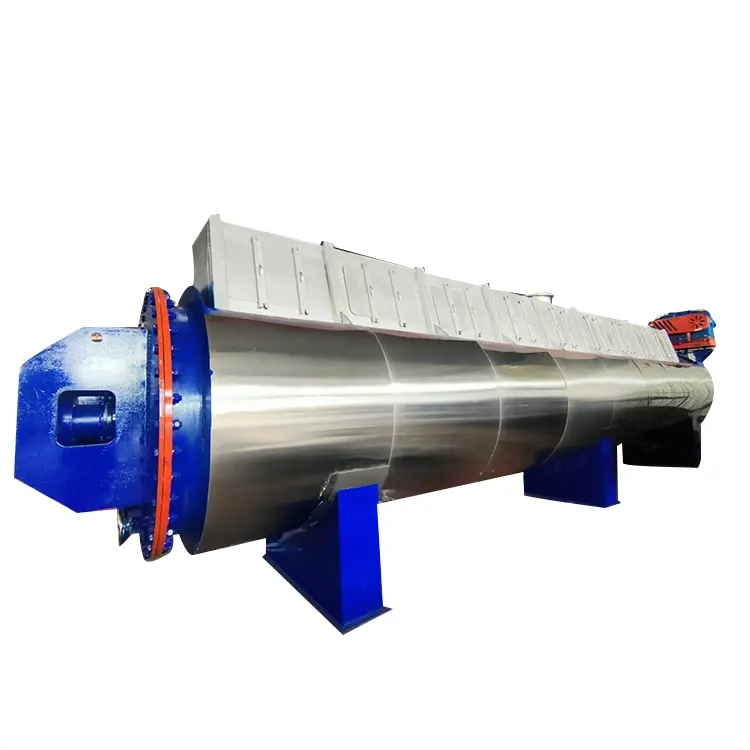
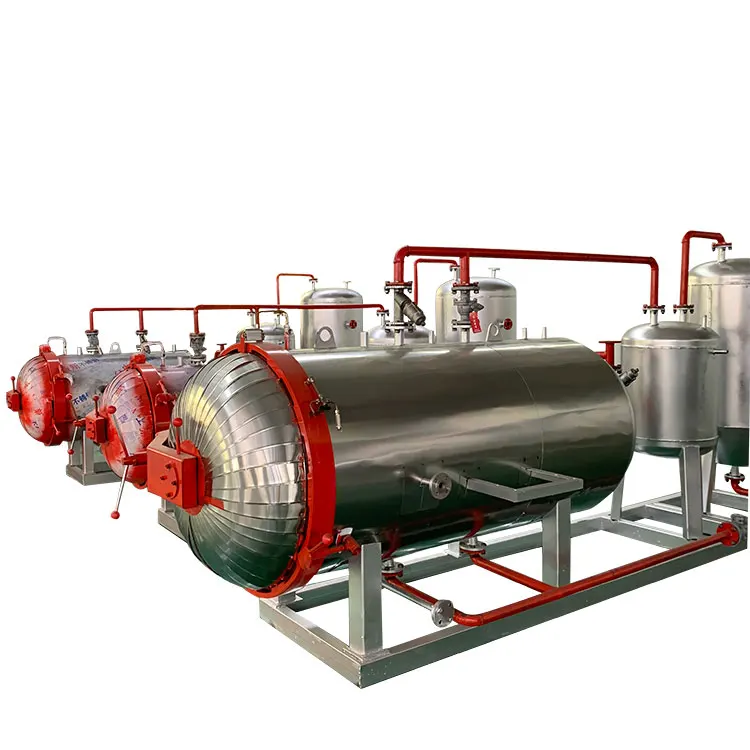
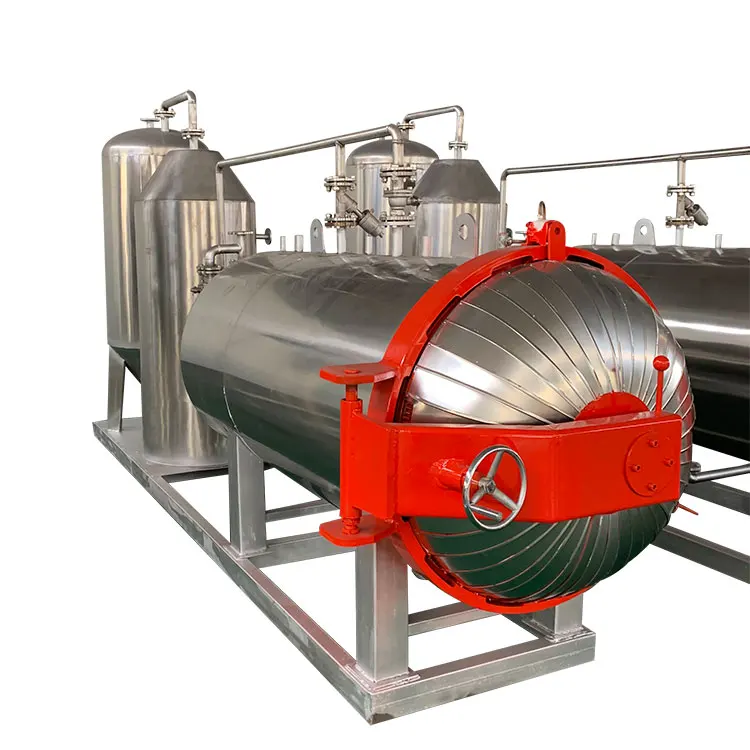
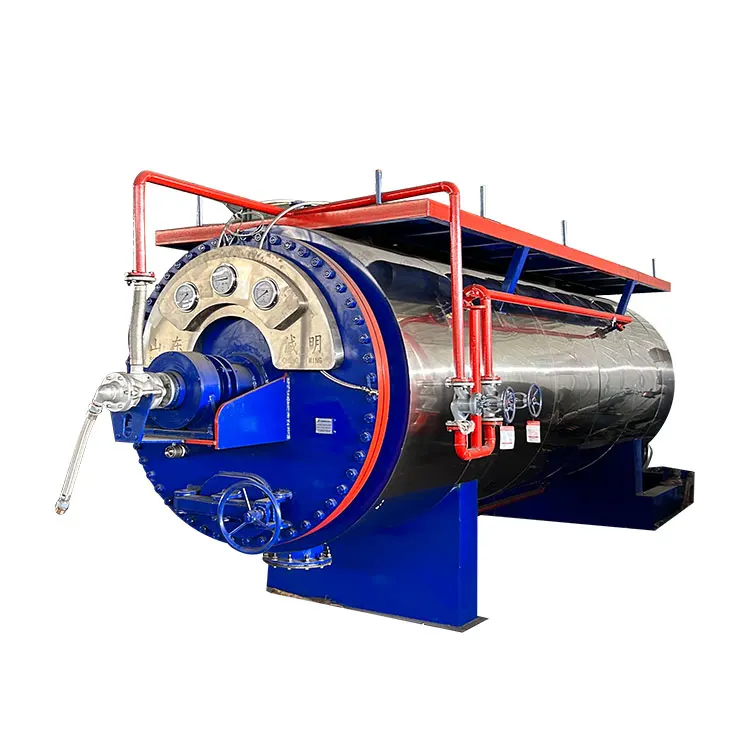
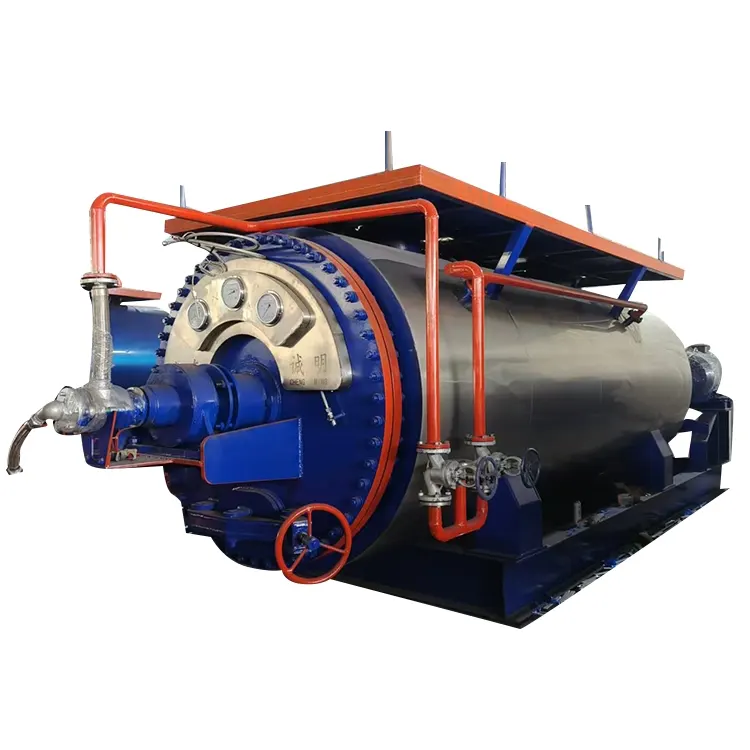
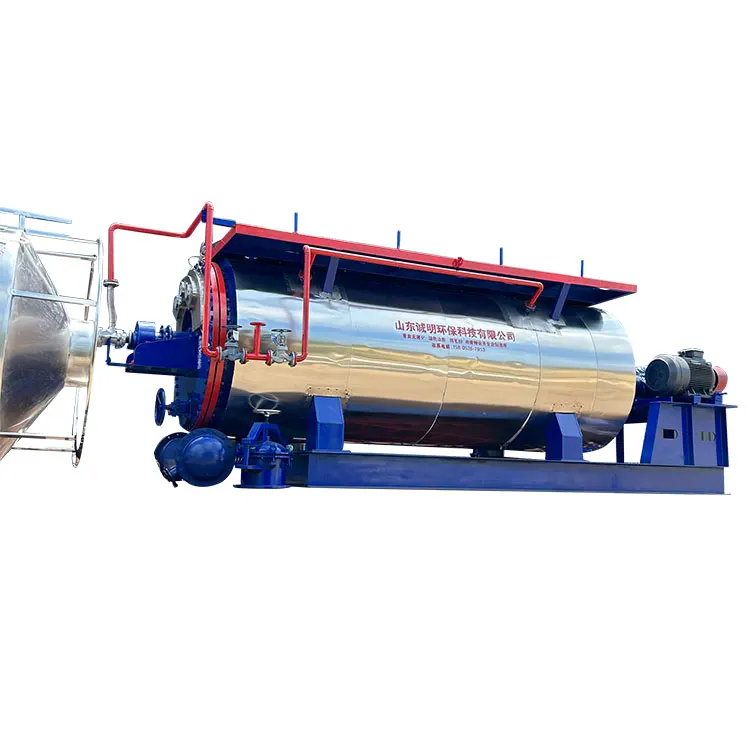
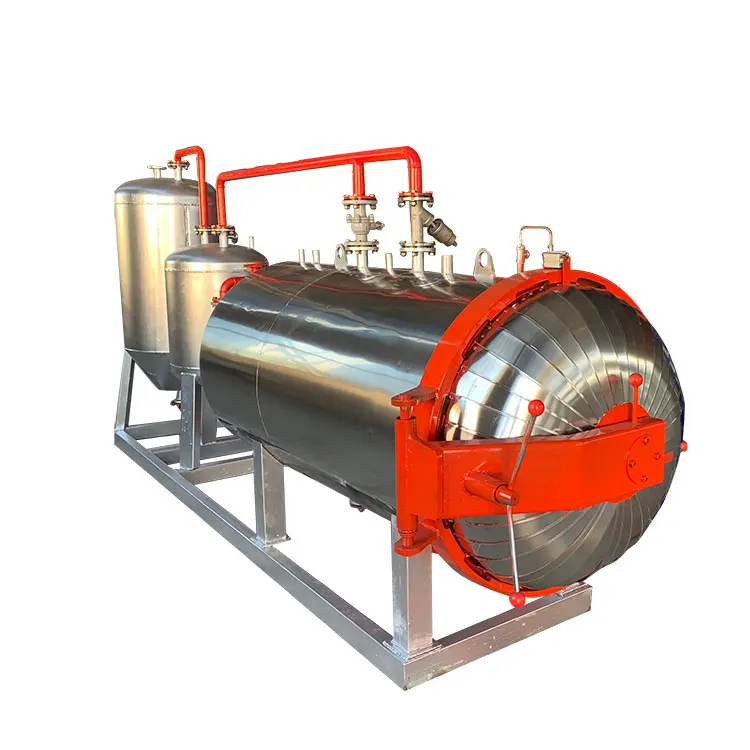
Farm Harmless Treatment Equipment is designed to safely process agricultural waste through sterilization, dehydration, fermentation, and other controlled processes. The goal is to eliminate pathogens, reduce pollution risks, and convert waste into valuable by-products such as organic fertilizer.
With the increasing scale of modern farming operations, farms require efficient and reliable waste treatment systems. Advanced treatment equipment allows farms to maintain sanitary conditions, comply with environmental standards, and improve operational sustainability.
Why Waste Treatment Is Critical in Modern Farms
Agricultural waste management has become a major concern for farms worldwide. Improper disposal of animal waste may cause several environmental and operational problems.
Major risks of untreated farm waste include:
- Spread of harmful bacteria and viruses
- Contamination of groundwater and nearby rivers
- Severe odor affecting surrounding communities
- Attraction of pests and insects
- Regulatory penalties due to environmental violations
Harmless treatment technology provides an effective solution to these problems by ensuring that biological hazards are eliminated before waste is discharged or reused.
How Farm Harmless Treatment Equipment Works
Farm Harmless Treatment Equipment operates through a sequence of controlled treatment stages that convert organic waste into harmless material.
The typical treatment process includes:
1. Waste Collection
Organic waste such as livestock manure or carcasses is collected and transported to the treatment system. Specialized feeding mechanisms allow safe and sealed handling.
2. Crushing or Size Reduction
Large materials are crushed into smaller particles. This step increases the surface area, allowing faster sterilization and decomposition during the next stages.
3. High-Temperature Sterilization
The waste is exposed to high temperatures and pressure conditions. Harmful pathogens, bacteria, and viruses are effectively destroyed during this stage.
4. Dehydration and Drying
Moisture content is reduced significantly through heating or mechanical dehydration. Lower moisture levels help prevent microbial growth.
5. Conversion into Organic Materials
The treated waste may be converted into organic fertilizer, soil conditioner, or other agricultural resources that can be reused safely.
Main Components of a Harmless Treatment System
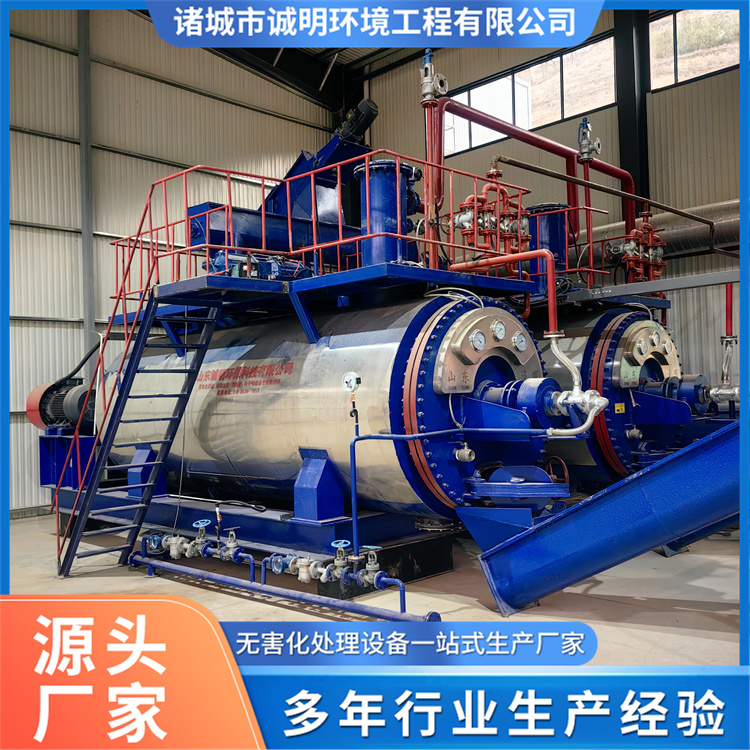
A complete treatment system usually consists of several integrated units designed to operate efficiently and safely.
- Automatic feeding system
- Crusher or shredder
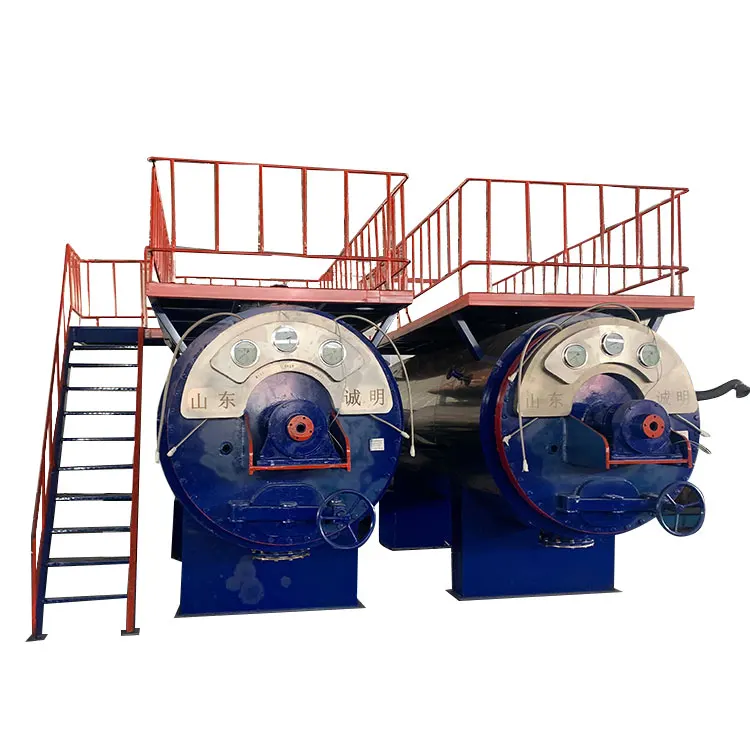
- High-temperature sterilization tank
- Drying and dehydration unit
- Odor purification system
- Automatic control system
- Waste discharge system
These components work together to ensure continuous processing and safe disposal of agricultural waste materials.
Typical Technical Parameters of the Equipment
| Parameter | Description |
|---|---|
| Processing Capacity | 300 kg – 5000 kg per batch depending on system size |
| Sterilization Temperature | 120°C – 180°C high-temperature treatment |
| Processing Time | 4 – 8 hours per treatment cycle |
| Power Supply | Industrial three-phase power |
| Moisture Reduction Rate | Up to 70% moisture removal |
| Control System | Fully automated PLC control |
Key Benefits for Livestock Farms
Farm Harmless Treatment Equipment offers multiple advantages for modern agricultural operations.
1. Environmental Protection
The equipment effectively prevents pollution by eliminating pathogens and controlling emissions from organic waste treatment.
2. Disease Prevention
High-temperature sterilization destroys harmful microorganisms that may cause disease outbreaks in livestock populations.
3. Odor Reduction
Advanced odor purification systems significantly reduce unpleasant smells generated during waste decomposition.
4. Resource Recycling
Instead of discarding waste, farms can convert it into organic fertilizer or soil improvement materials.
5. Compliance with Environmental Regulations
Many regions require farms to implement harmless treatment systems to prevent environmental contamination. Installing such equipment helps farms comply with these regulations.
How to Select the Right Equipment for Your Farm
Choosing the appropriate treatment equipment depends on several operational factors.
Important considerations include:
- Daily waste production volume
- Farm size and livestock population
- Available installation space
- Energy consumption and operating cost
- Automation level and maintenance requirements
Working with an experienced equipment manufacturer can help farms design a customized treatment system that fits their specific needs.
Common Applications in Agricultural Operations
Farm Harmless Treatment Equipment is widely used across various types of agricultural facilities.
- Pig farms
- Poultry farms
- Dairy farms
- Slaughterhouses
- Animal breeding facilities
- Agricultural waste recycling centers
These systems are capable of processing both solid organic waste and animal carcasses safely and efficiently.
Frequently Asked Questions
Q1: What types of waste can the equipment process?
The system can process livestock manure, animal carcasses, poultry waste, and other organic agricultural waste materials.
Q2: Is the treatment process environmentally friendly?
Yes. The system uses high-temperature sterilization and odor purification technologies to minimize environmental impact and eliminate harmful pathogens.
Q3: How long does one treatment cycle take?
Depending on the equipment model and waste type, a typical processing cycle usually takes between 4 and 8 hours.
Q4: Can the treated material be reused?
Yes. After treatment, the processed material can often be converted into organic fertilizer or other agricultural resources.
Conclusion
As modern agriculture continues to expand, proper waste management becomes increasingly important. Farm Harmless Treatment Equipment provides farms with a reliable solution for processing livestock waste safely and efficiently. Through high-temperature sterilization, dehydration, and controlled treatment processes, farms can significantly reduce environmental risks while converting waste into useful resources.
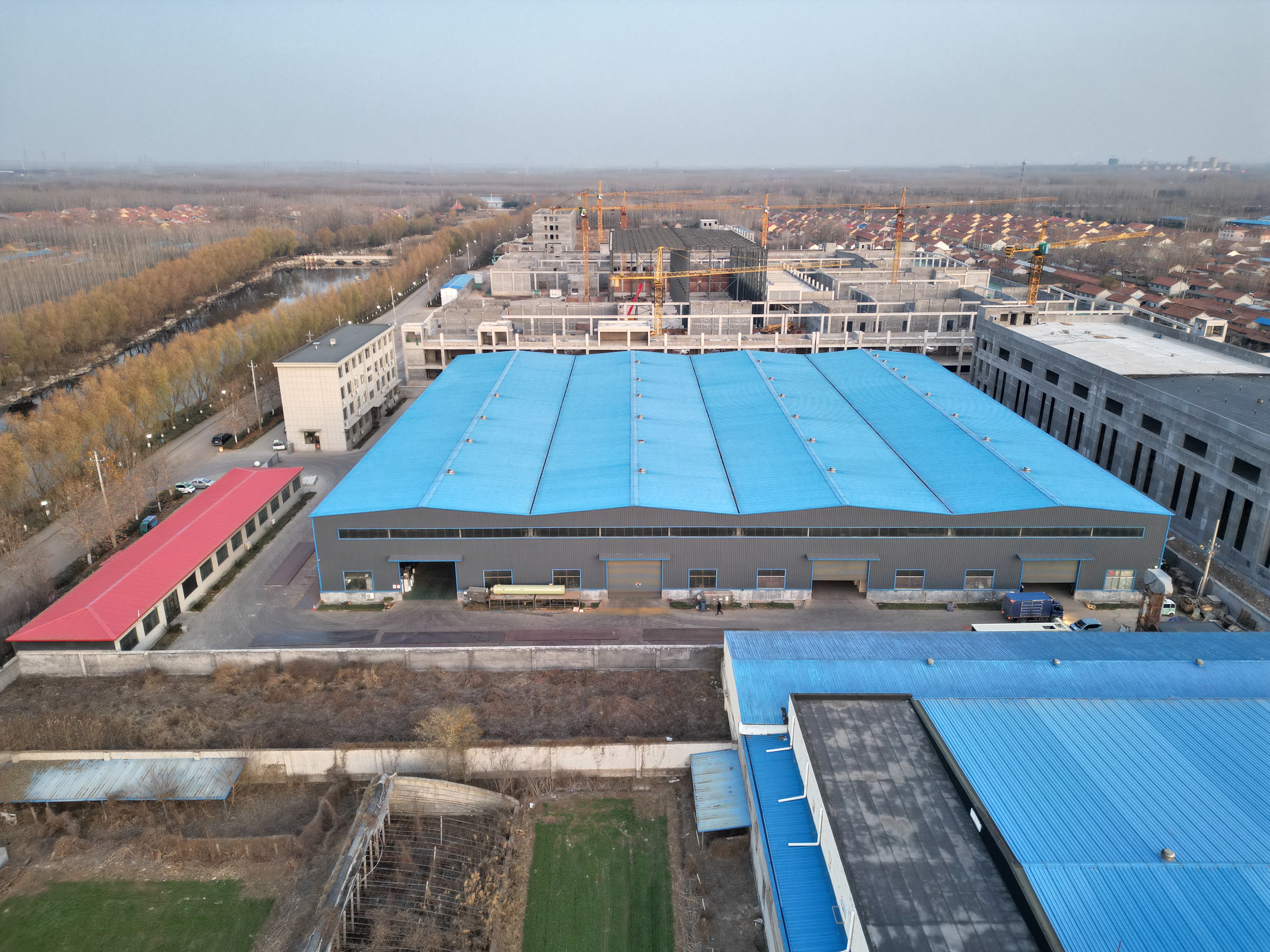
Shandong Chengming has developed advanced solutions in this field, offering reliable and efficient farm harmless treatment systems designed for modern livestock operations. These systems help farms maintain clean production environments while improving long-term sustainability.
If you are looking for professional waste treatment solutions for your farm, contact us to learn more about customized Farm Harmless Treatment Equipment and discover how our technology can support safer and more efficient agricultural operations.
Related News
- How Does Dead Chicken Harmless Treatment Equipment Protect Farms and the Environment?
- What Is Dead Sheep Harmless Treatment Equipment and Why Is It Important
- What is Dead Sheep Harmless Treatment Equipment and Why is It Essential
- How Does a Harmless Treatment Dryer Improve Waste Treatment Efficiency?
- How Does an Animal Carcass Crusher Improve Safe and Efficient Disposal?
- How Does Feather Meal Equipment Enhance Animal Feed Production?
Leave me a message