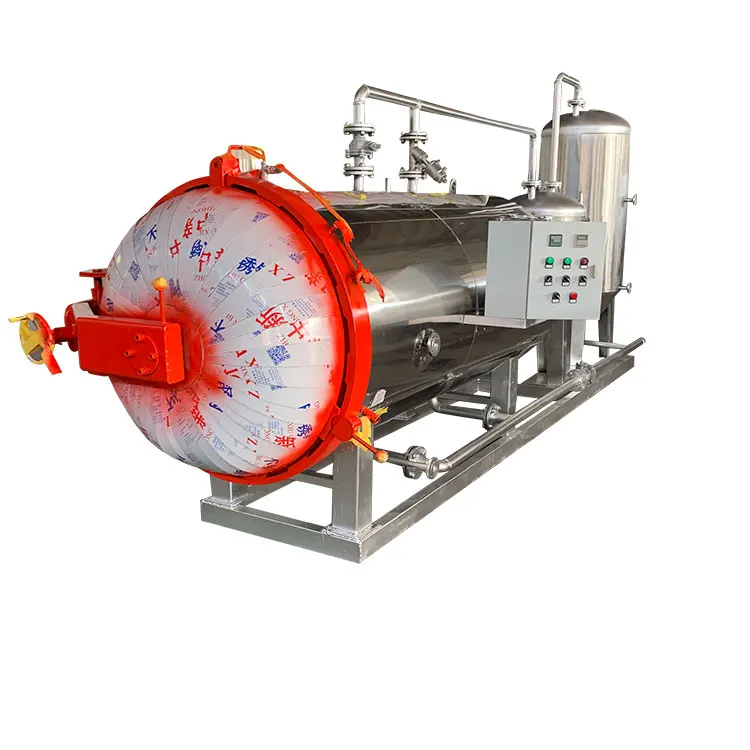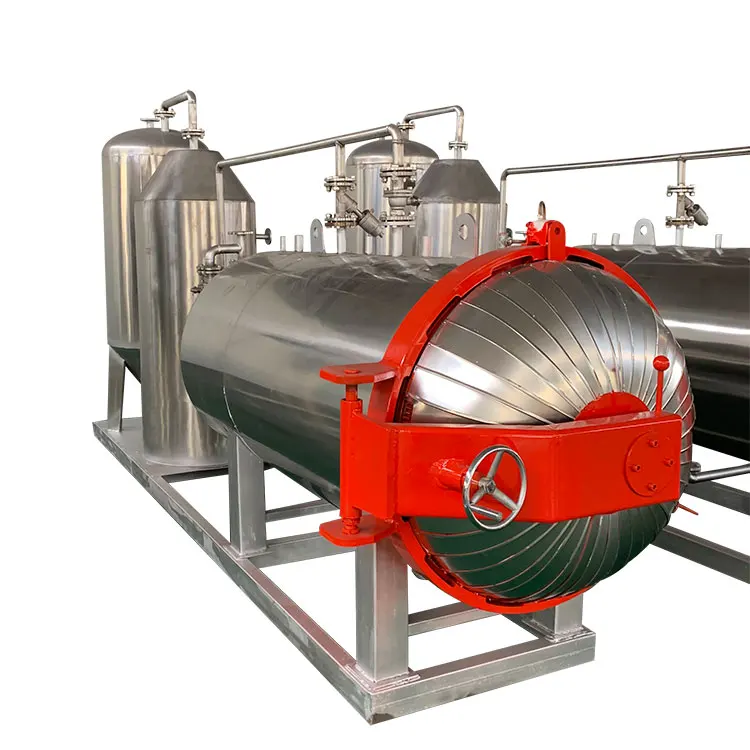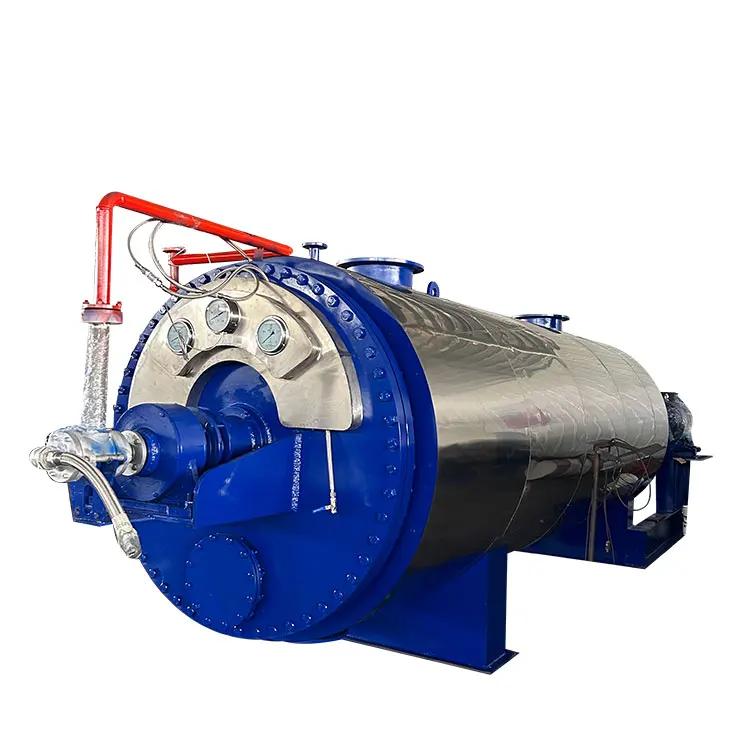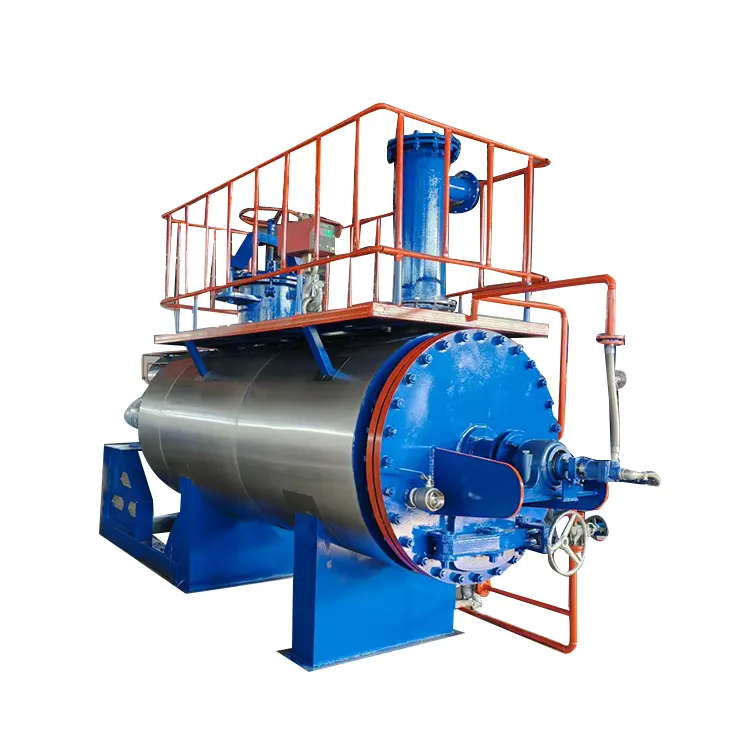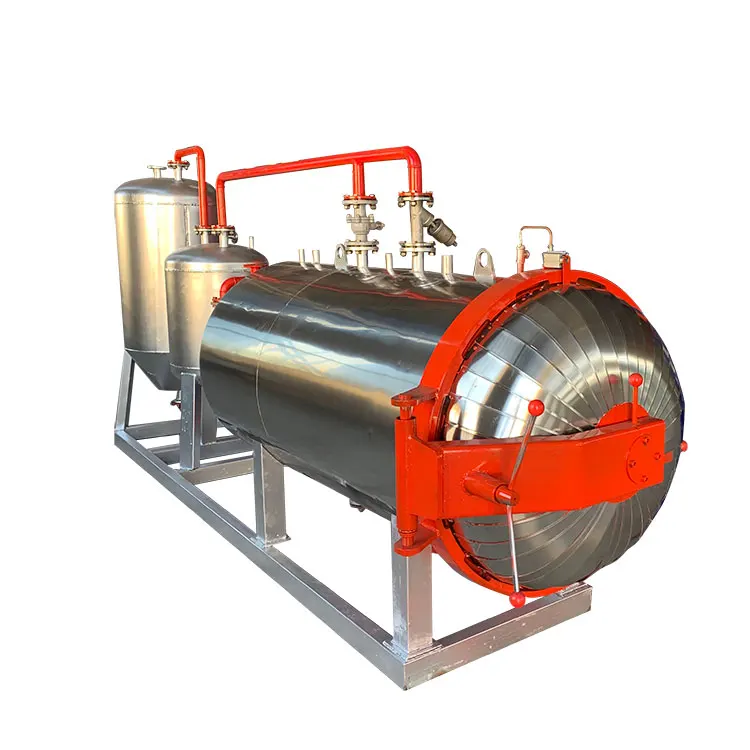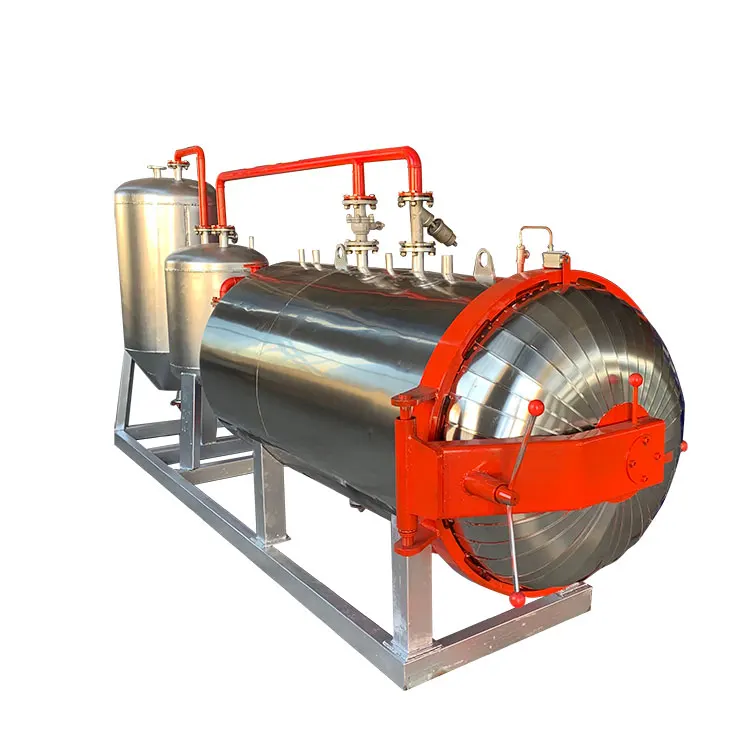

How Does a Harmless Treatment Dryer Improve Waste Treatment Efficiency?
Industrial waste treatment facilities face increasing pressure to process large volumes of organic waste, sludge, and hazardous by-products while maintaining environmental safety. One of the most reliable solutions used in modern waste management systems is the Harmless Treatment Dryer. This equipment is designed to reduce moisture content, stabilize waste materials, and prepare them for safe disposal or reuse.
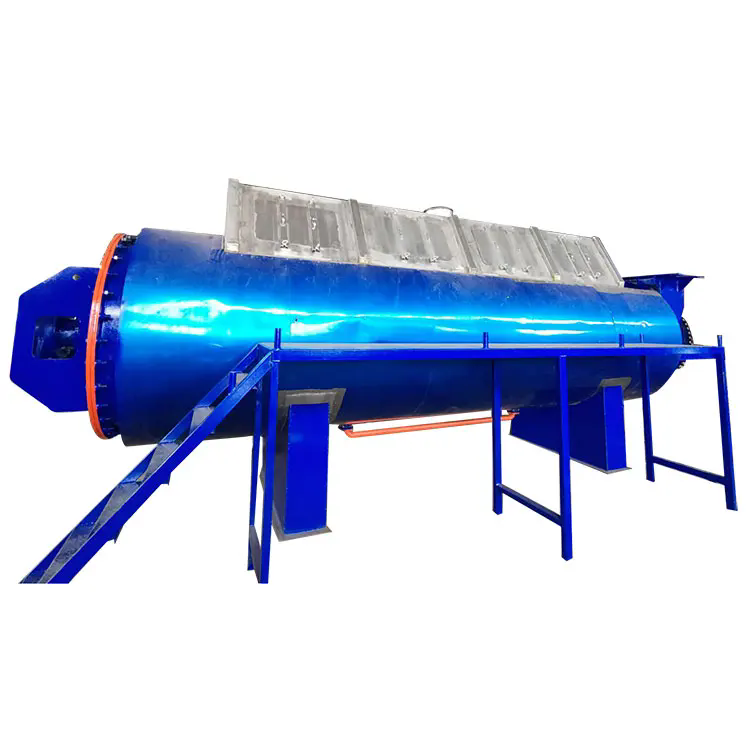
This article explains how a Harmless Treatment Dryer works, why it is essential in modern environmental treatment processes, and how it solves common challenges faced by waste treatment plants, livestock farms, and municipal facilities.
Article Summary
A Harmless Treatment Dryer is an advanced drying system used to treat organic waste, sludge, and other moisture-heavy materials. By applying controlled heat and airflow, the equipment significantly reduces moisture content, eliminates pathogens, and stabilizes materials. This process helps improve waste management efficiency while minimizing environmental impact.
Table of Contents
- Introduction to Harmless Treatment Dryer
- Common Waste Treatment Challenges
- How a Harmless Treatment Dryer Works
- Main Components of the System
- Technical Parameters of a Harmless Treatment Dryer
- Key Advantages of Using Harmless Treatment Drying Equipment
- Typical Application Scenarios
- How to Choose the Right Harmless Treatment Dryer
- Frequently Asked Questions
- Conclusion
Outline
- Understanding harmless waste treatment technology
- Operating principles of drying equipment
- Key system components and design features
- Benefits for industrial and agricultural waste management
- Equipment selection considerations
Introduction to Harmless Treatment Dryer
A Harmless Treatment Dryer is specialized industrial equipment designed to dry and stabilize waste materials while ensuring environmental safety. It is widely used in industries such as livestock farming, municipal waste treatment, food processing, and medical waste disposal.
The drying process removes excess moisture from organic waste, which is critical for preventing bacterial growth, reducing odors, and improving storage and transportation efficiency. After drying, the waste material becomes lighter, more stable, and easier to process further.
Compared with traditional waste treatment methods, modern drying systems provide higher processing efficiency and better environmental protection performance.
Common Waste Treatment Challenges
Many waste treatment facilities struggle with several operational problems caused by high-moisture waste materials.
- Excessive moisture in sludge and organic waste
- Difficulty in transportation and storage
- Risk of harmful bacteria and pathogens
- Strong odors affecting surrounding environments
- High disposal costs
Without proper drying treatment, waste materials can quickly become unstable and environmentally hazardous. A Harmless Treatment Dryer addresses these issues by converting wet waste into dry, manageable material.
How a Harmless Treatment Dryer Works
The working principle of a Harmless Treatment Dryer involves controlled heating, airflow circulation, and continuous material movement. These processes ensure uniform drying and efficient moisture removal.
The basic workflow typically includes the following stages:
- Material Feeding – Waste materials such as sludge or organic residues are transported into the drying chamber.
- Heat Transfer – Heat energy is applied to evaporate moisture within the material.
- Air Circulation – Heated air flows through the chamber to accelerate evaporation.
- Moisture Separation – Water vapor is extracted and processed through an exhaust system.
- Material Discharge – Dried material is discharged for further treatment or disposal.
This controlled drying process ensures the material becomes stable and safe for handling.
Main Components of the System
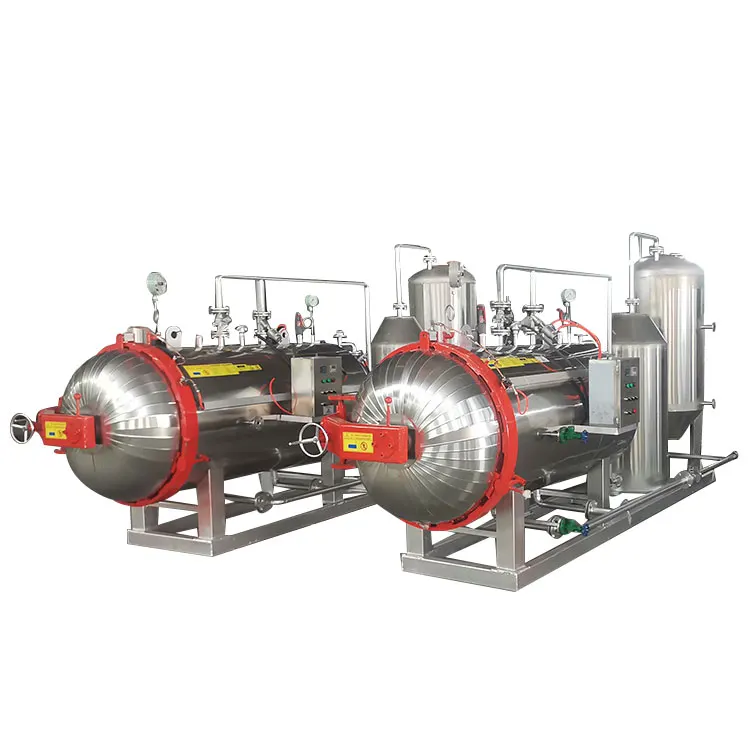
A Harmless Treatment Dryer consists of several key components that work together to achieve effective drying performance.
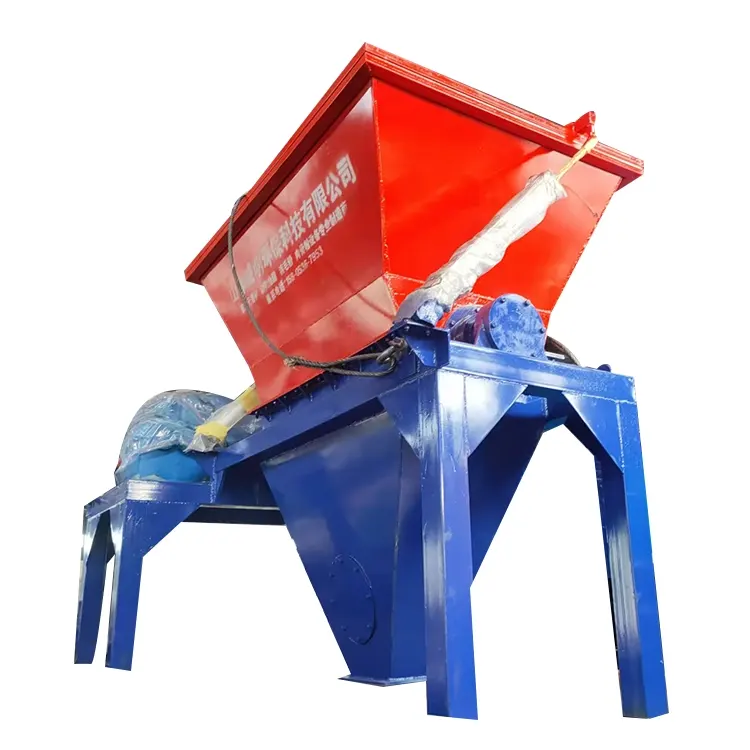
- Feeding System – Automatically delivers materials into the drying chamber.
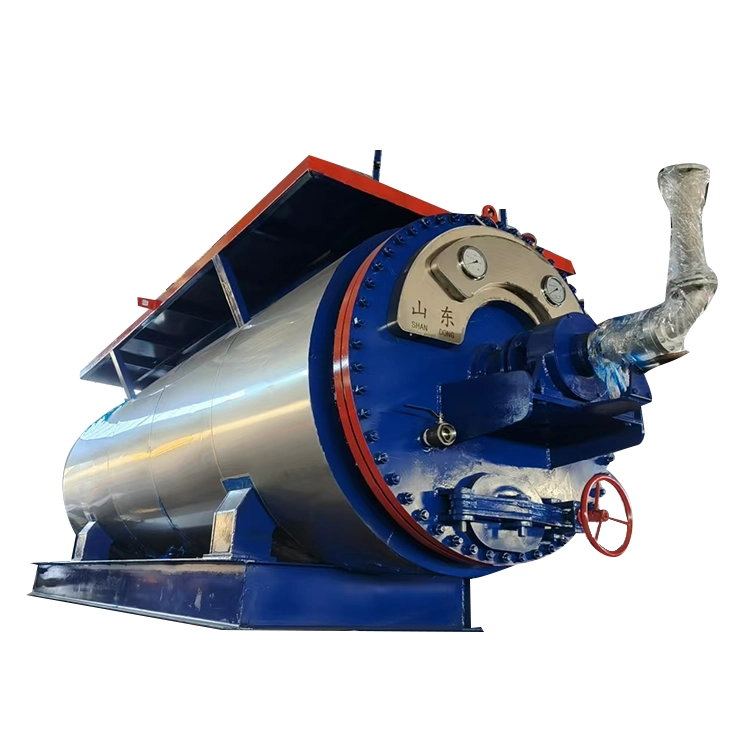
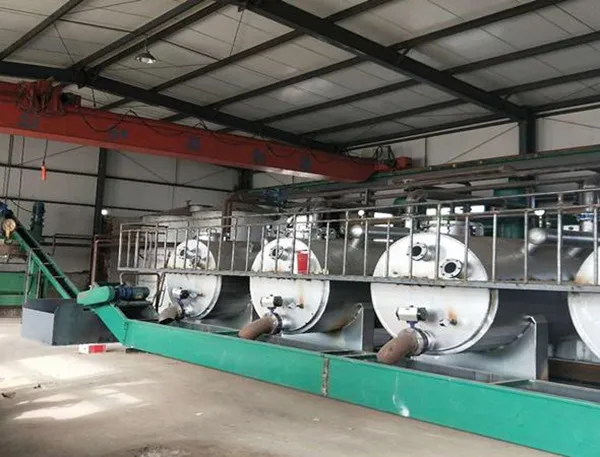
- Drying Chamber – The main area where heat transfer and moisture evaporation occur.
- Heating Unit – Provides stable heat energy for the drying process.
- Air Circulation System – Ensures even heat distribution and moisture removal.
- Exhaust and Dust Removal System – Filters vapor and dust to maintain environmental safety.
- Automatic Control System – Monitors temperature, airflow, and operational parameters.
These components allow the system to operate continuously and efficiently with minimal manual intervention.
Technical Parameters of a Harmless Treatment Dryer
| Parameter | Description |
|---|---|
| Processing Capacity | 1–20 tons per batch depending on model |
| Moisture Reduction | Up to 80% moisture removal |
| Drying Temperature | 80°C – 300°C adjustable |
| Heat Source | Natural gas, steam, electricity, or biomass |
| Automation Level | Fully automatic PLC control |
| Application Materials | Animal waste, sludge, organic waste, industrial residues |
Key Advantages of Using Harmless Treatment Drying Equipment
Modern drying technology offers several benefits for waste treatment operations.
- High Drying Efficiency – Rapid moisture removal shortens treatment cycles.
- Environmental Safety – Integrated filtration systems reduce emissions and odors.
- Reduced Waste Volume – Drying significantly decreases overall material volume.
- Improved Waste Stability – Dried materials are easier to store and transport.
- Energy Optimization – Advanced heat recovery systems reduce energy consumption.
These advantages make harmless drying technology an important component in modern waste management infrastructure.
Typical Application Scenarios
A Harmless Treatment Dryer is used across multiple industries where high-moisture waste needs to be stabilized.
- Livestock and poultry farms
- Municipal sludge treatment plants
- Food processing waste treatment
- Medical waste disposal facilities
- Industrial organic waste recycling
In livestock farms, for example, manure can be dried and converted into organic fertilizer. In municipal treatment plants, sludge drying reduces landfill volume and transportation costs.
How to Choose the Right Harmless Treatment Dryer
Selecting suitable drying equipment requires evaluating several technical factors.
- Material Type – Moisture content and particle size affect drying performance.
- Processing Capacity – Equipment size should match facility throughput requirements.
- Energy Source – Choose a heat source compatible with local energy availability.
- Automation Level – Automated systems improve operational efficiency.
- Environmental Compliance – Ensure emission and odor control standards are met.
Working with experienced equipment manufacturers can help determine the most efficient configuration for specific project requirements.
Frequently Asked Questions
Q1: What types of waste can be processed using a Harmless Treatment Dryer?
A wide variety of materials can be treated, including animal manure, sludge, food processing waste, organic residues, and some industrial by-products.
Q2: Does the drying process eliminate harmful pathogens?
Yes. The high temperatures used during drying can effectively destroy many bacteria, parasites, and pathogens present in organic waste materials.
Q3: Is the equipment energy-intensive?
Modern systems are designed with energy-saving technologies such as heat recovery and optimized airflow systems, which significantly reduce energy consumption compared to traditional drying methods.
Q4: Can dried waste materials be reused?
In many cases, yes. Dried organic waste can be converted into fertilizer, fuel pellets, or other useful by-products depending on the treatment process.
Conclusion
The Harmless Treatment Dryer has become a key technology in modern waste management systems. By efficiently removing moisture, eliminating pathogens, and stabilizing organic waste materials, this equipment helps industries and municipalities handle waste in a safer and more sustainable way.
With reliable engineering and advanced drying technology, Shandong Chengming provides high-quality drying solutions designed for demanding environmental treatment applications. If your facility is looking for efficient waste drying equipment or customized treatment systems, the Harmless Treatment Dryer can significantly improve operational efficiency while reducing environmental impact.
For detailed product information or customized solutions, please contact us to discuss how professional drying technology can support your waste treatment project.
Related News
- How Does Dead Chicken Harmless Treatment Equipment Protect Farms and the Environment?
- What Is Dead Sheep Harmless Treatment Equipment and Why Is It Important
- What is Dead Sheep Harmless Treatment Equipment and Why is It Essential
- How Farm Harmless Treatment Equipment Improves Waste Management and Environmental Protection?
- How Does an Animal Carcass Crusher Improve Safe and Efficient Disposal?
- How Does Feather Meal Equipment Enhance Animal Feed Production?
Leave me a message