
How Can a Harmless Treatment Dryer Transform Waste Management Challenges?
A Harmless Treatment Dryer plays a pivotal role in industrial and municipal waste handling by converting wet waste into a dried, less hazardous form that supports safer disposal, reuse, and regulatory compliance. With stringent environmental requirements and rising costs for waste handling, organizations face critical pain points including high moisture content, pathogen risk, high transport costs, and secondary pollution. This article explores how Harmless Treatment Dryer technologies address these challenges through efficient drying processes, robust design, and optimized operation.

Article Overview
- Understanding Harmless Treatment Dryer technology
- Key advantages for waste management
- Technical considerations and typical configurations
- Common use cases in municipal and industrial settings
- Frequently asked questions
- Conclusion with practical next steps
Introduction to Harmless Treatment Dryer Technology
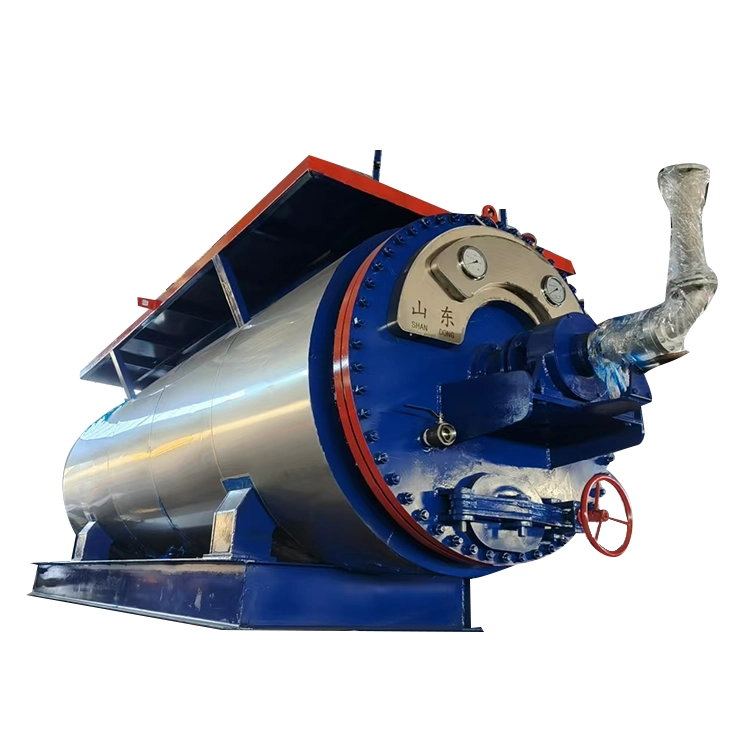
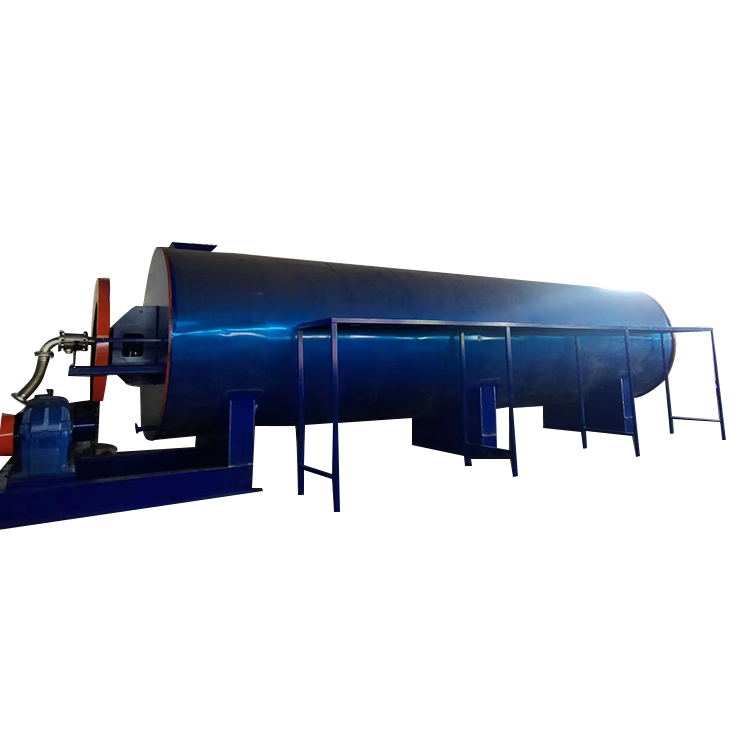
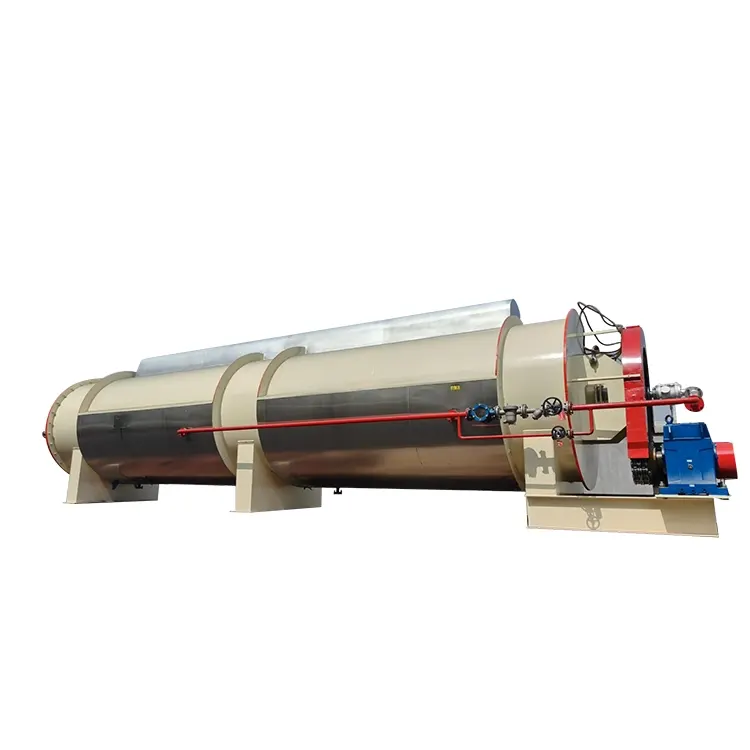
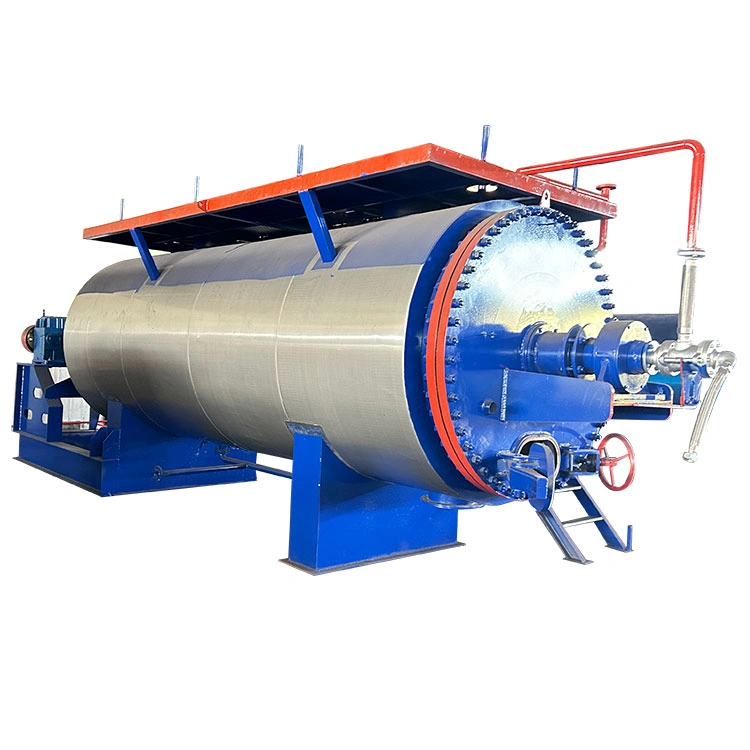
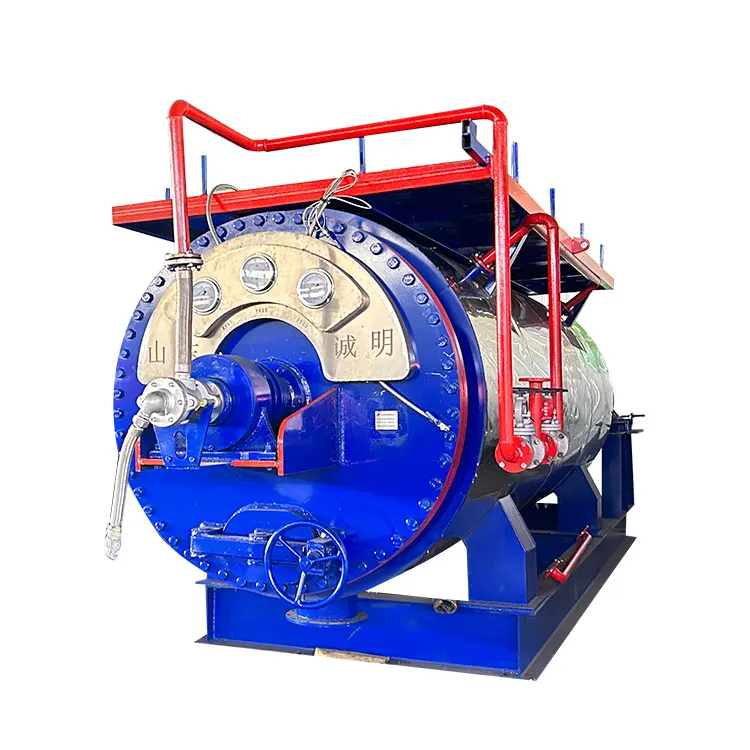
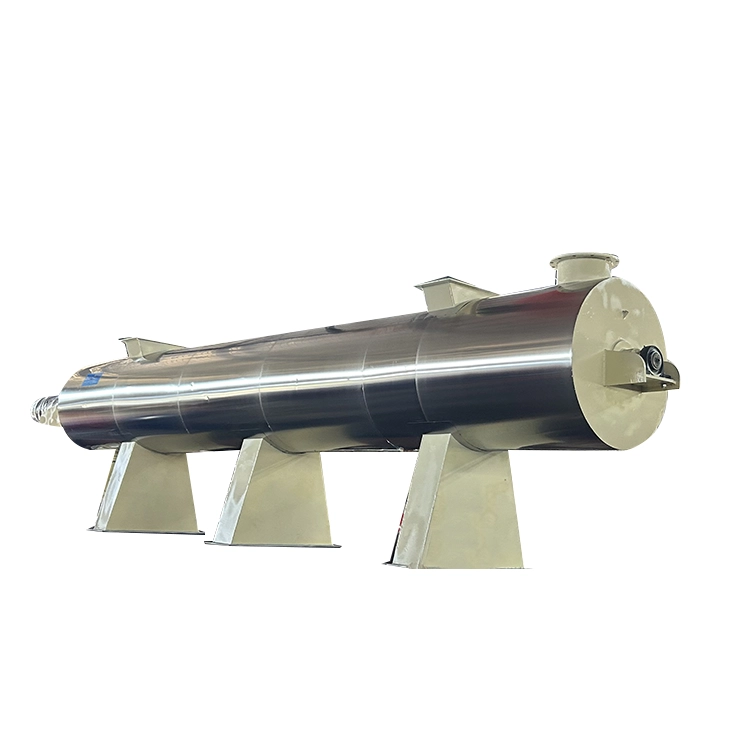
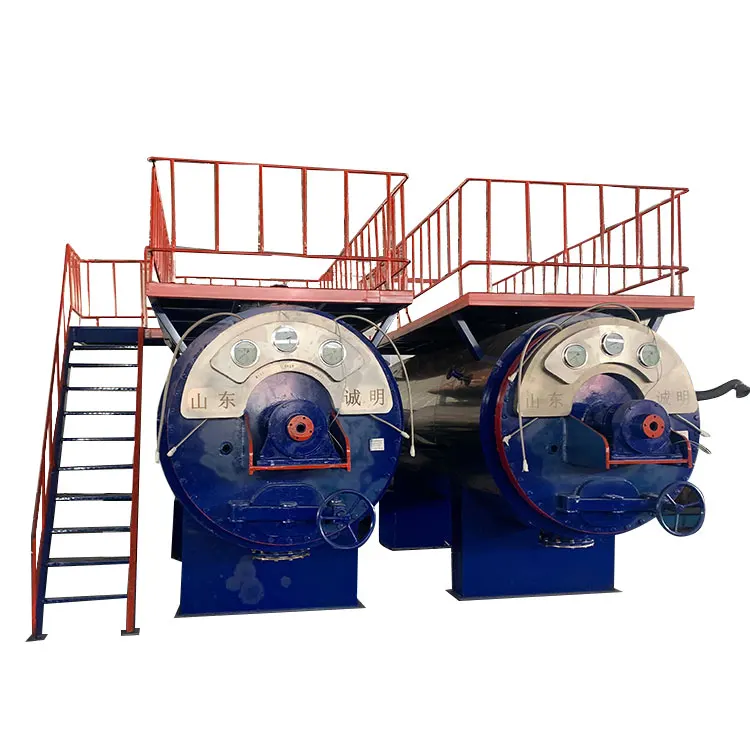
A Harmless Treatment Dryer is advanced drying equipment designed to reduce moisture in waste materials while minimizing harmful emissions and meeting safety standards. Through controlled heat transfer and mechanical agitation, it converts high-moisture waste into dried solids with substantially reduced volume and pathogen content. The technology integrates continuous drying principles with closed-loop heating to prevent secondary pollution and support downstream utilization of dried materials.:contentReference[oaicite:0]{index=0}
Why Harmless Treatment Dryers Matter in Modern Waste Management
Waste management facilities and industrial plants generate large quantities of wet waste, including sewage sludge, food waste, and other organic residues. The traditional approaches to disposal — landfill, incineration, or untreated dumping — carry major drawbacks such as high transport costs, environmental risk, and regulatory barriers. Harmless Treatment Dryers directly address these pain points by offering:
- Volume reduction — dries material to significantly lower moisture levels for easier transport and handling.:contentReference[oaicite:1]{index=1}
- Pathogen mitigation — reduces harmful biological contaminants through low-temperature drying and controlled exposure.:contentReference[oaicite:2]{index=2}
- Secondary pollution control — closed systems prevent fugitive emissions of odors and contaminants.:contentReference[oaicite:3]{index=3}
- Resource recovery potential — dried output can be repurposed for agricultural or energy applications.:contentReference[oaicite:4]{index=4}
How Harmless Treatment Dryers Work: Technical Overview
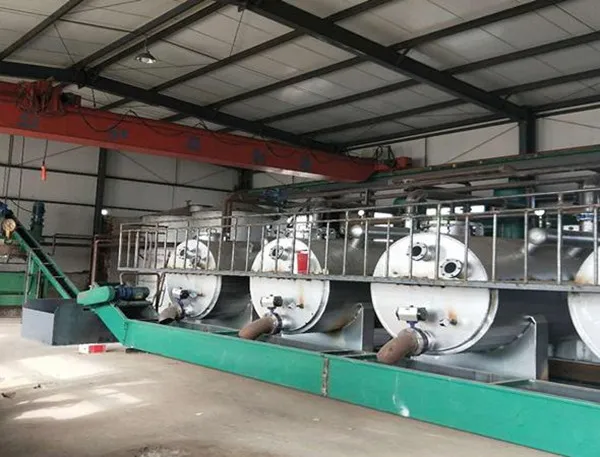
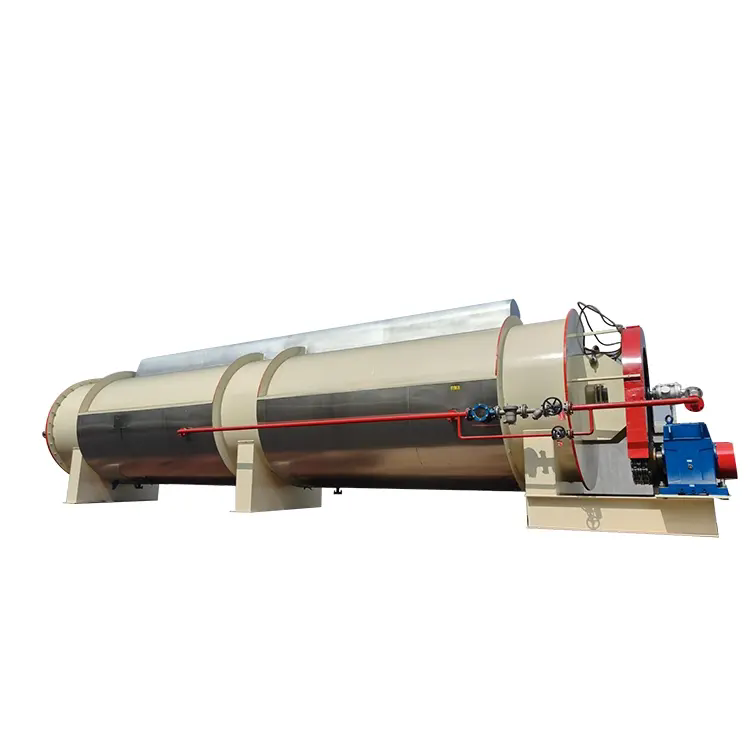
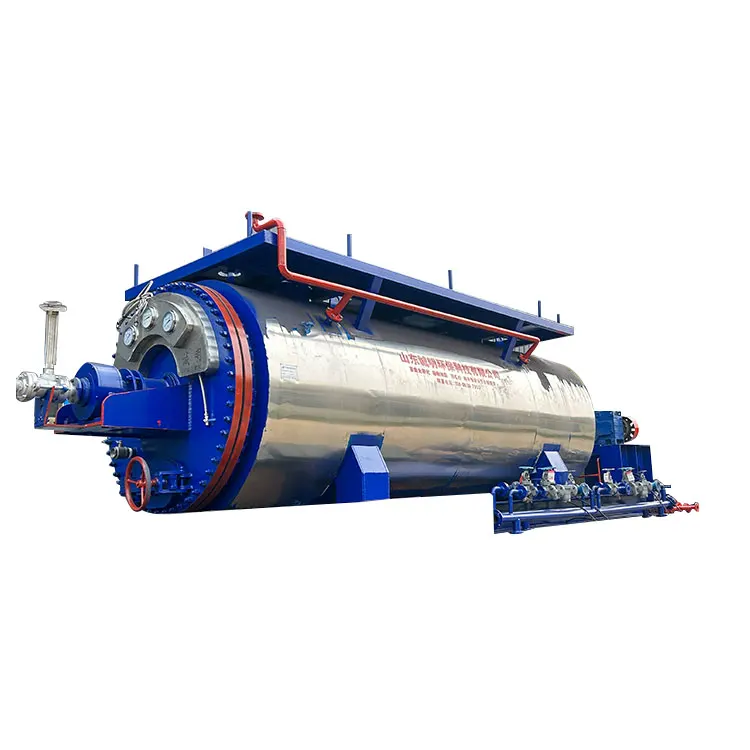
Harmless Treatment Dryers utilize a combination of conductive and convective heat transfer to remove moisture from waste material. Systems vary by design but commonly include:
| Component | Function |
|---|---|
| Heat Transfer Jacket or Coil | Transfers controlled heat to waste material for gradual drying.:contentReference[oaicite:5]{index=5} |
| Agitator or Shaft | Moves material through the chamber to ensure uniform exposure to heat.:contentReference[oaicite:6]{index=6} |
| Exhaust Hood and Ducting | Collects steam and controls emission pathways.:contentReference[oaicite:7]{index=7} |
| Condensate Drain | Removes water condensed during drying.:contentReference[oaicite:8]{index=8} |
| Control System | Monitors temperature, moisture levels, and safety parameters.:contentReference[oaicite:9]{index=9} |
The process begins with feeding high-moisture waste into the dryer where heat is applied indirectly through heated surfaces. As moisture evaporates, steam is collected and directed through exhaust systems designed to minimize environmental impact and prevent odor release.
Typical Applications and Use Cases
Harmless Treatment Dryers are widely used in a variety of environments where waste moisture reduction and pathogen control are priorities:
- Municipal wastewater treatment plants — to reduce sludge volume and support safe disposal or reuse.:contentReference[oaicite:10]{index=10}
- Food processing facilities — to dry organic residues for safer downstream handling.:contentReference[oaicite:11]{index=11}
- Industrial manufacturing plants — to manage chemical sludge and reduce hazardous content.:contentReference[oaicite:12]{index=12}
- Agricultural waste management — to process manure, crop residues, and more.:contentReference[oaicite:13]{index=13}
Key Benefits for Facility Operators
Harmless Treatment Dryers deliver both operational and long-term benefits to facility operators, including:
- Lower disposal costs — reduced weight and volume translate into fewer transport cycles.:contentReference[oaicite:14]{index=14}
- Improved compliance — drives alignment with environmental regulations.:contentReference[oaicite:15]{index=15}
- Enhanced site safety — pathogen reduction decreases health risks.:contentReference[oaicite:16]{index=16}
- Energy optimization — heat recovery systems reduce operational expenses.:contentReference[oaicite:17]{index=17}
Frequently Asked Questions About Harmless Treatment Dryers
Q: What does “harmless treatment” mean in drying technology?
A: Harmless treatment refers to drying processes that reduce harmful biological and chemical risks, control odor and emissions, and produce a dried output that is safer for disposal or reuse without creating secondary pollution.:contentReference[oaicite:18]{index=18}
Q: Can the dried material be reused or recycled?
A: Yes. Depending on the waste type, dried solids can be repurposed for composting, soil amendment, or as a fuel source in energy recovery processes, supporting circular resource use strategies.:contentReference[oaicite:19]{index=19}
Q: How does a Harmless Treatment Dryer prevent secondary emissions?
A: Through closed-loop heating, controlled exhaust pathways, and condensate collection systems, these dryers minimize the release of vapors, odors, and contaminants into the environment.:contentReference[oaicite:20]{index=20}
Q: What types of waste streams are suitable for this technology?
A: Suitable streams include high-moisture sludge from wastewater plants, organic residues from food processing, and industrial sludge containing biochemical compounds. The technology accommodates diverse waste sources with appropriate pre-treatment and configuration.:contentReference[oaicite:21]{index=21}
Conclusion and Next Steps
Harmless Treatment Dryers offer a comprehensive solution to core waste management challenges by reducing moisture, mitigating harmful contaminants, and enabling safer waste handling and reuse. Organizations seeking to improve operational efficiency and regulatory compliance can leverage these systems to achieve tangible cost savings and environmental benefits.
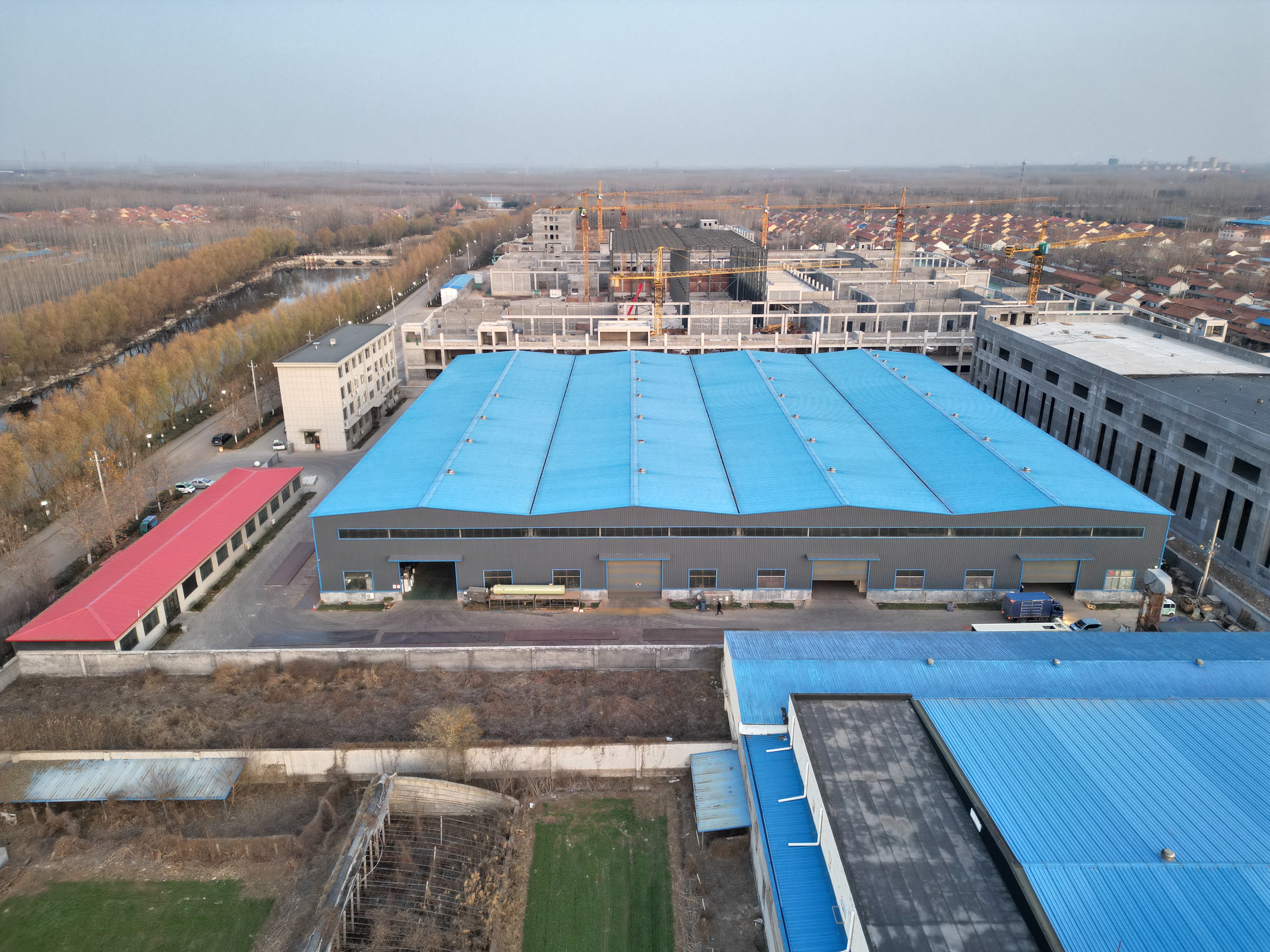
Shandong Chengming Environmental Protection Technology Co., Ltd. stands at the forefront of Harmless Treatment Dryer innovation, delivering engineered solutions tailored to municipal and industrial waste challenges. For project evaluations, customized configurations, and detailed technical support, contact us to explore how your facility can benefit from advanced harmless drying technology.
Related News
- How Does Dead Chicken Harmless Treatment Equipment Protect Farms and the Environment?
- What Is Dead Sheep Harmless Treatment Equipment and Why Is It Important
- What is Dead Sheep Harmless Treatment Equipment and Why is It Essential
- How Farm Harmless Treatment Equipment Improves Waste Management and Environmental Protection?
- How Does a Harmless Treatment Dryer Improve Waste Treatment Efficiency?
- How Does an Animal Carcass Crusher Improve Safe and Efficient Disposal?
Leave me a message