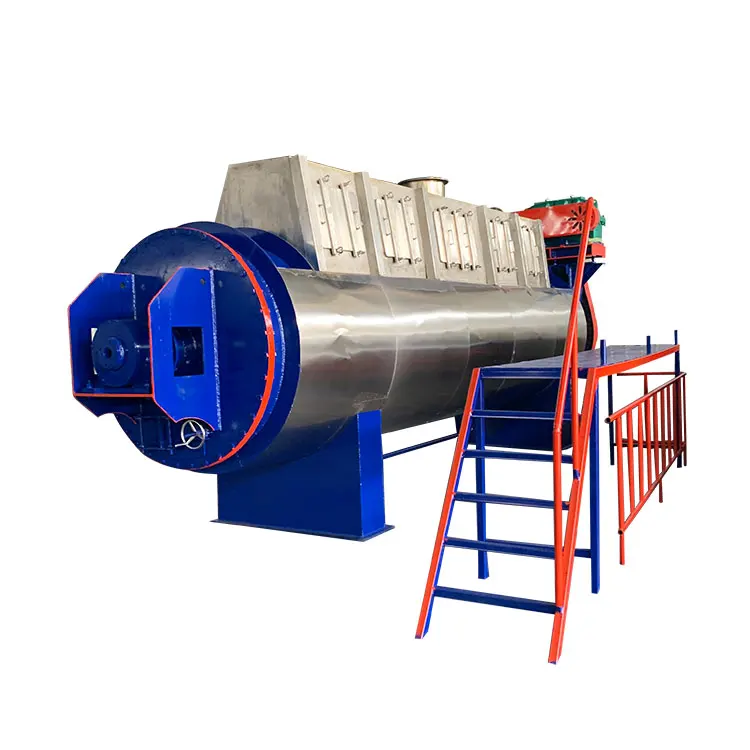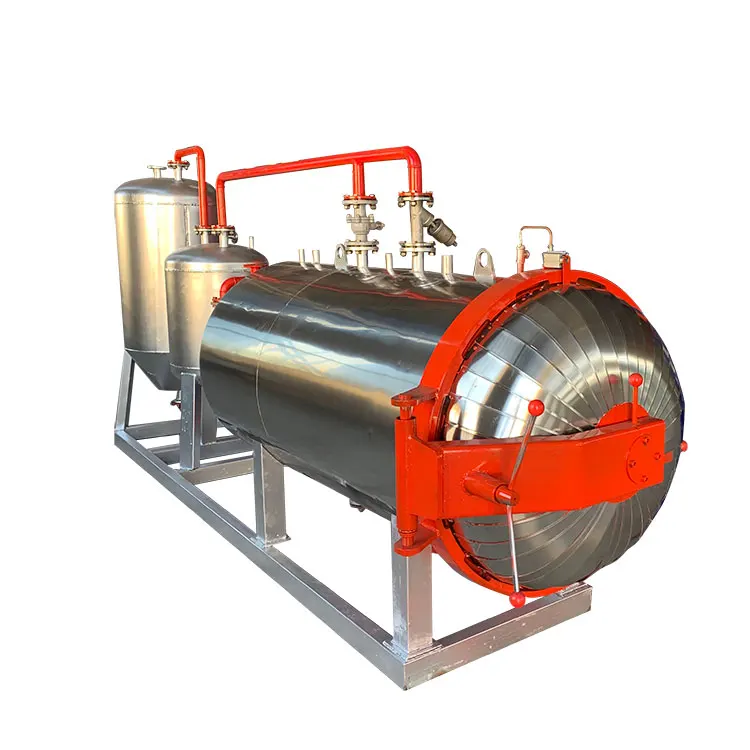

How Does a Grain Sterilization Tank Improve Food Safety and Processing Efficiency?
Abstract: Grain sterilization tanks are critical equipment in modern grain processing facilities. They address key challenges such as microbial contamination, inconsistent sterilization, and production bottlenecks. This article explains how grain sterilization tanks work, the advantages they offer, essential design considerations, operational guidance, troubleshooting tips, and frequently asked questions. Whether you are evaluating equipment for purchase, planning installation, or optimizing existing processes, this comprehensive guide provides practical insights to make informed decisions.

Table of Contents
- Introduction to Grain Sterilization Tanks
- Why Use a Grain Sterilization Tank?
- How a Grain Sterilization Tank Works
- Benefits for Industrial Operations
- Selecting the Right Tank
- Installation and Maintenance
- Frequently Asked Questions
- Conclusion
Introduction to Grain Sterilization Tanks
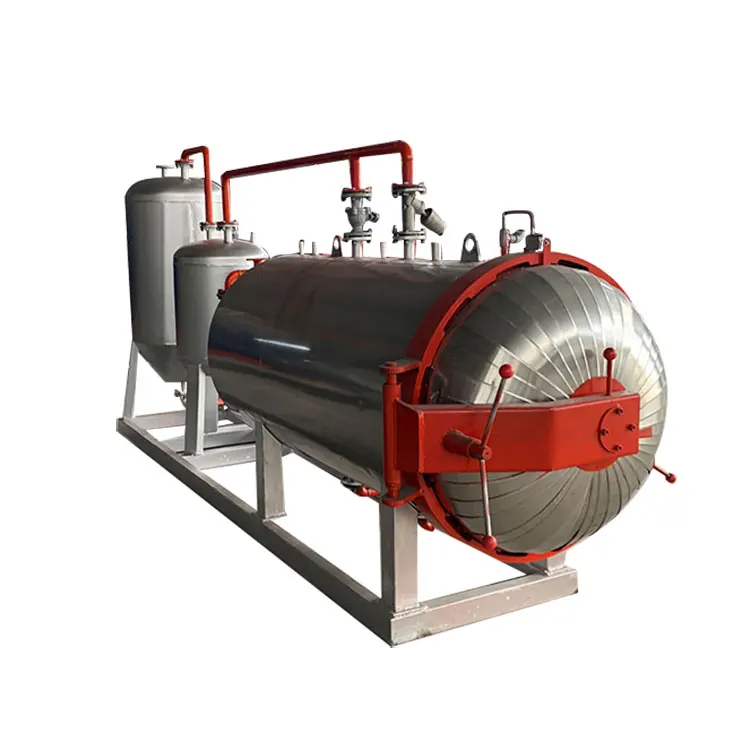
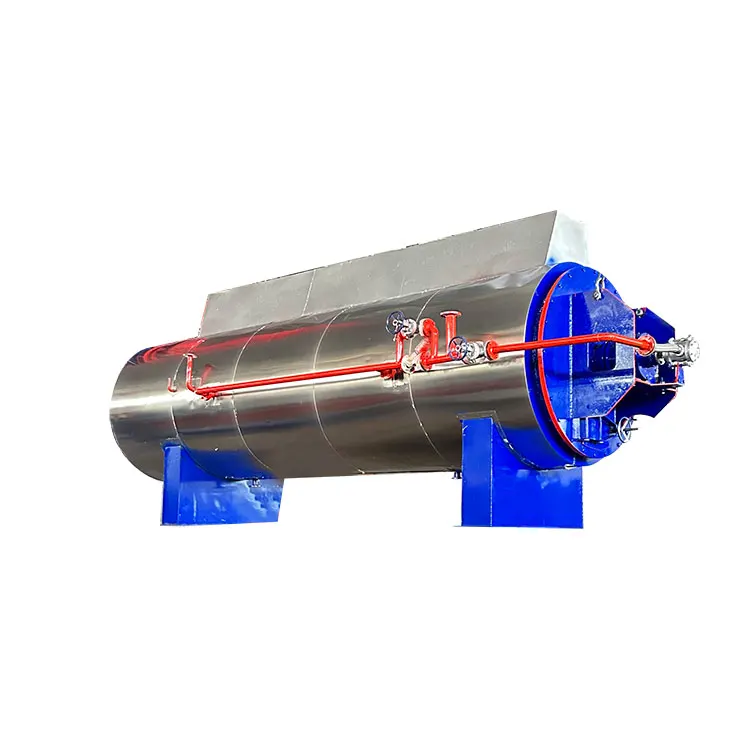
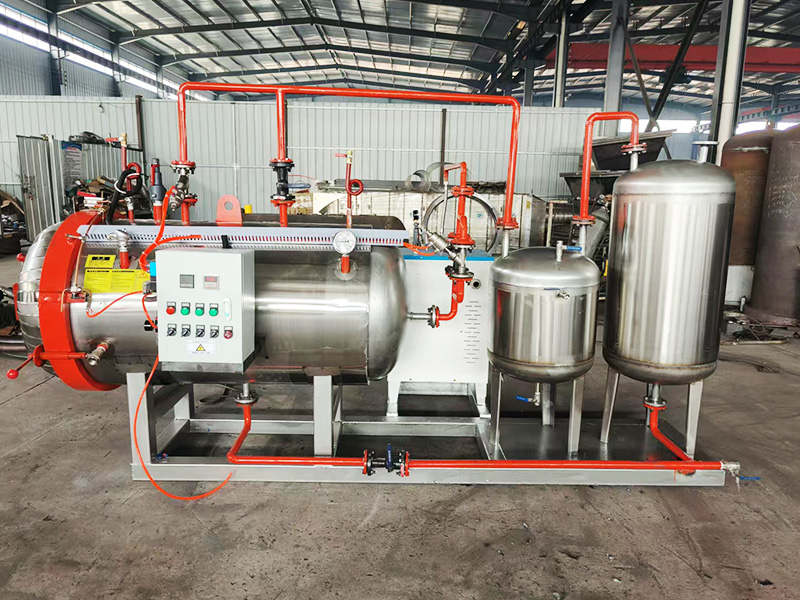
Grain sterilization tanks are engineered vessels designed to eliminate harmful microorganisms in bulk grains before storage or downstream processing. Contamination from bacteria, fungi, and insects not only affects product quality but also poses food safety risks and reduces shelf life. Sterilization tanks help producers maintain regulatory compliance, reduce product losses, and ensure consistent quality across batches.
This guide focuses on the functional aspects of grain sterilization tanks, critical design features, and practical guidance to help facilities integrate this equipment into their operations effectively.
Why Use a Grain Sterilization Tank?
Industrial grain processing often deals with high throughput and stringent quality standards. Common pain points that grain sterilization tanks address include:
- Persistent microbial contamination affecting taste and safety.
- Uneven heat distribution leading to inconsistent sterilization.
- High energy costs with inefficient processing equipment.
- Downtime due to cleaning and maintenance of outdated systems.
- Difficulty meeting export or regulatory quality standards.
By integrating a sterilization tank, facilities can streamline operations, enhance safety protocols, and improve overall plant efficiency.
How a Grain Sterilization Tank Works
Understanding the underlying process of sterilization is key to leveraging its benefits.
Core Functional Stages
| Stage | Description | Objective |
|---|---|---|
| Pre-conditioning | Grain is brought to target moisture and temperature levels. | Prepare grains for uniform heat penetration. |
| Heating | Steam or hot air circulates through the tank. | Inactivate microbes and pests. |
| Holding | Temperature is maintained for a specified time. | Ensure complete sterilization. |
| Cooling | Grain is cooled before discharge. | Prevent heat damage and preserve quality. |
Process controls in modern tanks ensure accurate temperature regulation and uniform distribution of heat. This reduces hotspots and ensures every grain kernel receives the required treatment.
Benefits for Industrial Operations
Adopting grain sterilization tanks brings measurable improvements across several operational dimensions:
Key Advantages
- Enhanced Food Safety: Effective reduction of pathogens safeguards consumers and reduces recalls.
- Improved Shelf Life: Sterilized grains have lower spoilage rates during storage.
- Consistent Quality: Advanced controls deliver reliable results batch after batch.
- Operational Efficiency: Automated features reduce manual intervention and labor costs.
- Compliance Support: Helps facilities meet local and international food safety standards.
Selecting the Right Tank
Selecting the right grain sterilization tank depends on your operational scale and performance requirements. Consider the following criteria during evaluation:
Selection Checklist
- Processing Capacity: Match the tank volume with expected throughput.
- Heating Method: Choose between steam, electric, or hot air systems based on energy availability.
- Control Systems: Look for PLC or automated systems for precise temperature and timing control.
- Material Construction: Use corrosion-resistant materials to ensure longevity.
- Maintenance Access: Ensure easy access for cleaning and routine service.
Installation and Maintenance
Proper installation and maintenance extend equipment life and ensure safety.
Installation Best Practices
- Position the tank on a stable, level foundation.
- Verify electrical and steam connections meet local codes.
- Implement adequate ventilation around the system.
- Follow manufacturer commissioning guidelines before first use.
Routine Maintenance Tasks
- Inspect seals and gaskets monthly for wear.
- Clean interior surfaces after planned cycles.
- Check controllers and sensors for accuracy quarterly.
- Replace worn parts according to the preventive schedule.
Frequently Asked Questions
What types of grains can be processed in a sterilization tank?
Most bulk grains, including corn, wheat, rice, barley, and sorghum, can be sterilized. Tank configurations may vary based on grain size and moisture profiles.
How long does a typical sterilization cycle take?
Cycle duration depends on grain type and capacity but typically ranges from 30 minutes to 2 hours for complete treatment including pre-conditioning and cooling.
Can the sterilization process affect grain quality?
When operated within recommended parameters, quality impacts are minimal. Overheating or improper moisture levels can cause damage, underscoring the importance of calibrated controls.
Is extra training required for operators?
Basic training on control interfaces and safety protocols is recommended. Many suppliers offer training resources or onsite support.
How does a sterilization tank differ from fumigation?
Sterilization uses heat to deactivate microbes, whereas fumigation relies on chemical agents. Sterilization avoids chemical residues and is generally safer for food products.
Conclusion
Grain sterilization tanks are powerful tools for improving food safety, consistency, and operational efficiency in grain processing facilities. Understanding how they operate and how to select and maintain them ensures you achieve optimal performance and investment value. For producers seeking reliable sterilization solutions, partnering with an experienced equipment provider makes a significant difference.
If you are ready to evaluate high-performance grain sterilization tanks tailored to your operational needs, contact us at Shandong Chengming Environmental Protection Technology Co., Ltd. for expert guidance, customized solutions, and competitive pricing.
Related News
- How Does Dead Chicken Harmless Treatment Equipment Protect Farms and the Environment?
- What Is Dead Sheep Harmless Treatment Equipment and Why Is It Important
- What is Dead Sheep Harmless Treatment Equipment and Why is It Essential
- How Farm Harmless Treatment Equipment Improves Waste Management and Environmental Protection?
- How Does a Harmless Treatment Dryer Improve Waste Treatment Efficiency?
- How Does an Animal Carcass Crusher Improve Safe and Efficient Disposal?
Leave me a message