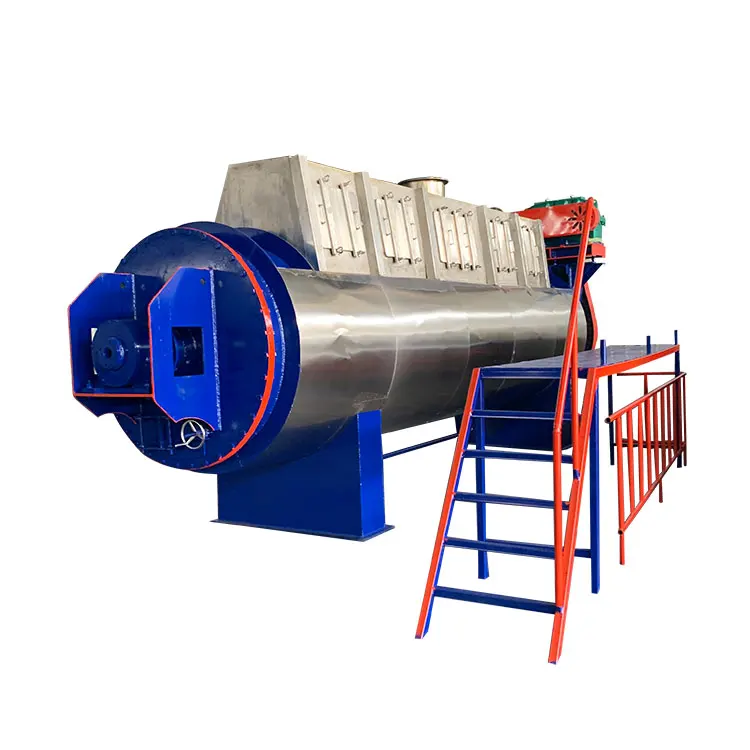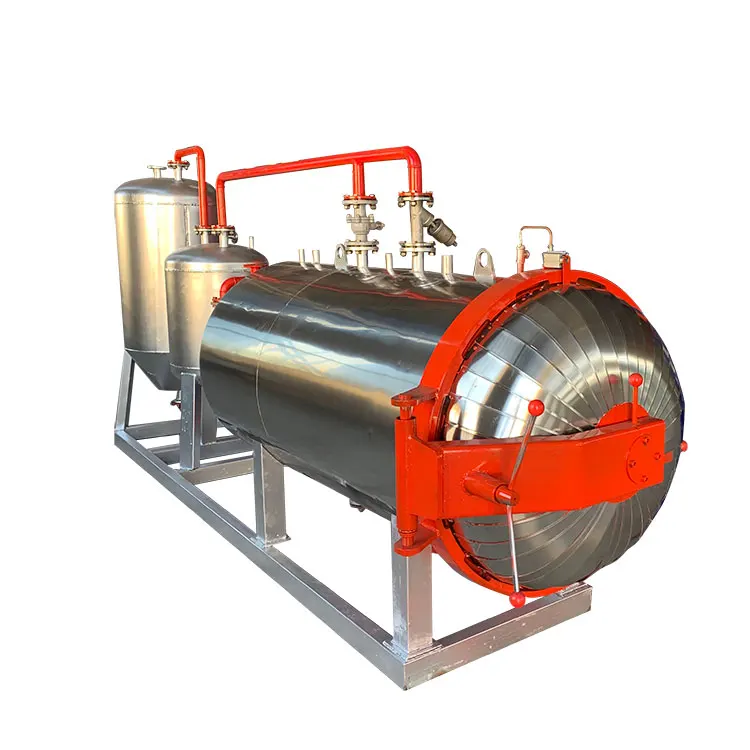

How Does Feather Meal Equipment Enable Efficient Protein Recycling?
Article Abstract
Feather waste generated by poultry processing plants presents both an environmental challenge and a valuable resource opportunity. When handled improperly, feathers contribute to disposal costs, odor issues, and regulatory pressure. When processed correctly, however, they can be converted into high-protein feather meal widely used in animal feed and organic fertilizers. This article provides a comprehensive explanation of how feather meal equipment works, the operational challenges it solves, and the practical value it delivers to rendering plants, feed producers, and agricultural enterprises. By examining processing principles, system components, performance indicators, and selection criteria, this guide aims to support informed decision-making for buyers seeking stable, efficient, and scalable feather meal production solutions.

Table of Contents
- Industry Background and Processing Challenges
- Operational Outline of Feather Meal Equipment
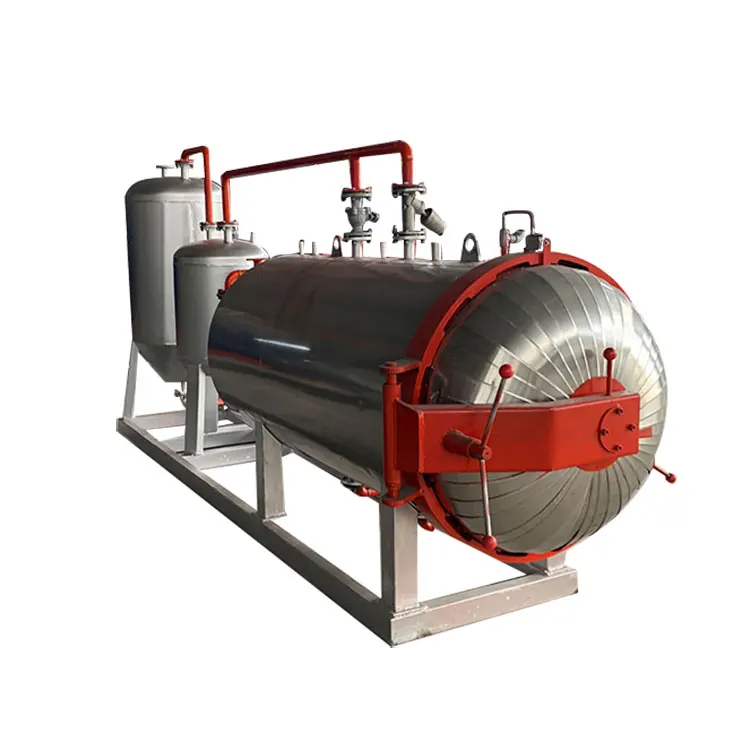
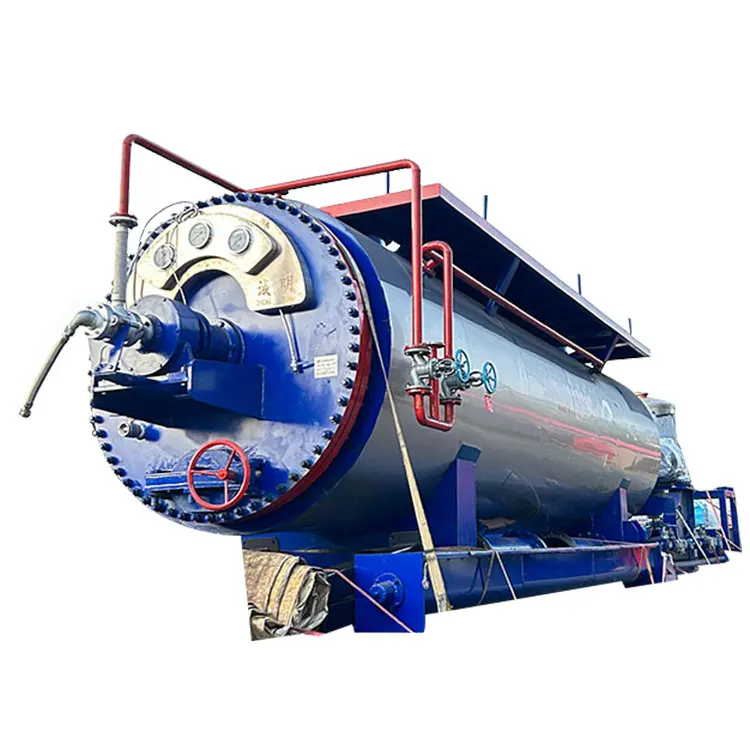
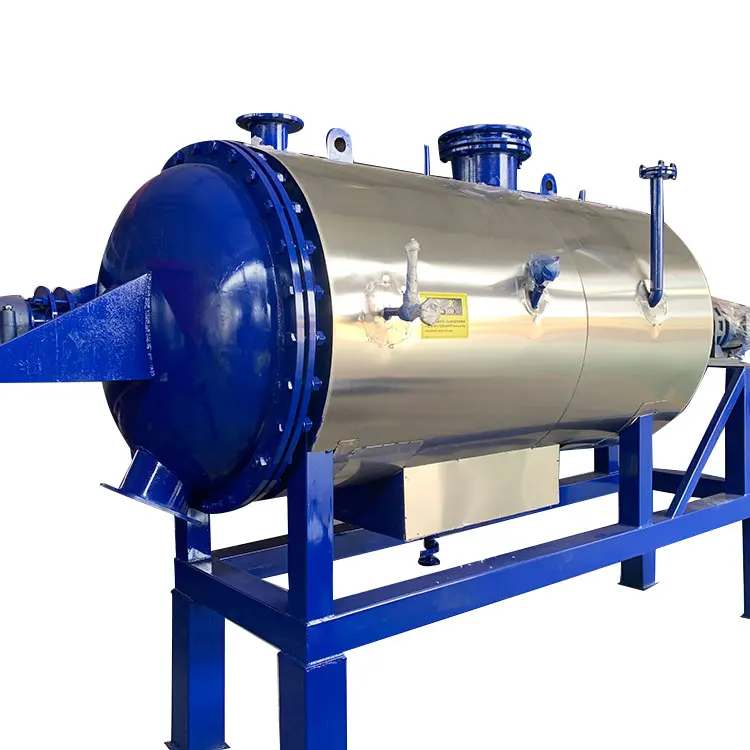
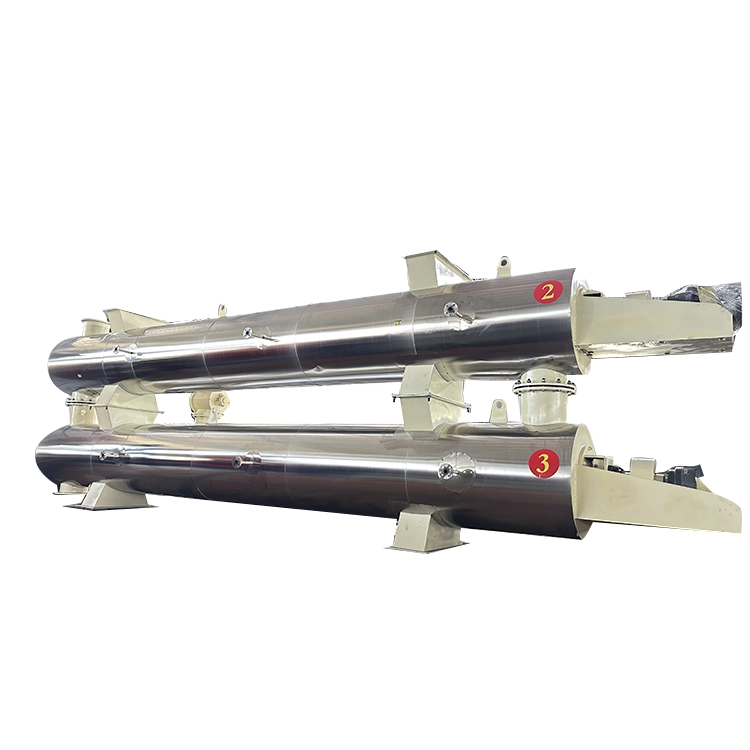
- Core System Components and Functions
- Key Performance Advantages in Industrial Use
- Typical Application Scenarios
- Technical Parameters and Configuration Options
- Equipment Selection Considerations
- Frequently Asked Questions
- Conclusion and Business Value
Industry Background and Processing Challenges
Poultry feathers account for a significant portion of slaughterhouse by-products. Raw feathers contain high levels of keratin protein, but their rigid molecular structure makes them difficult to digest and unsuitable for direct use in feed formulations. Traditional disposal methods such as landfilling or incineration not only increase operating costs but also raise environmental and compliance risks.
The core challenge lies in breaking down keratin’s disulfide bonds while maintaining nutritional value and ensuring biosafety. Feather meal equipment addresses this challenge by applying controlled hydrothermal processing, pressure regulation, and mechanical treatment to transform waste feathers into a stable, usable protein material.
Operational Outline of Feather Meal Equipment
Feather meal equipment is designed to carry out continuous or batch-based conversion of raw feathers into feather meal through a closed and controlled process. The workflow typically includes pretreatment, high-temperature hydrolysis, drying, and grinding.
- Raw feather feeding and impurity removal
- High-pressure thermal treatment for protein denaturation
- Moisture reduction and sterilization
- Particle size control and final discharge
This systematic process ensures that pathogenic microorganisms are eliminated while protein digestibility is significantly improved.
Core System Components and Functions
A complete feather meal processing line consists of several integrated systems, each serving a specific operational role.
| Component | Primary Function |
|---|---|
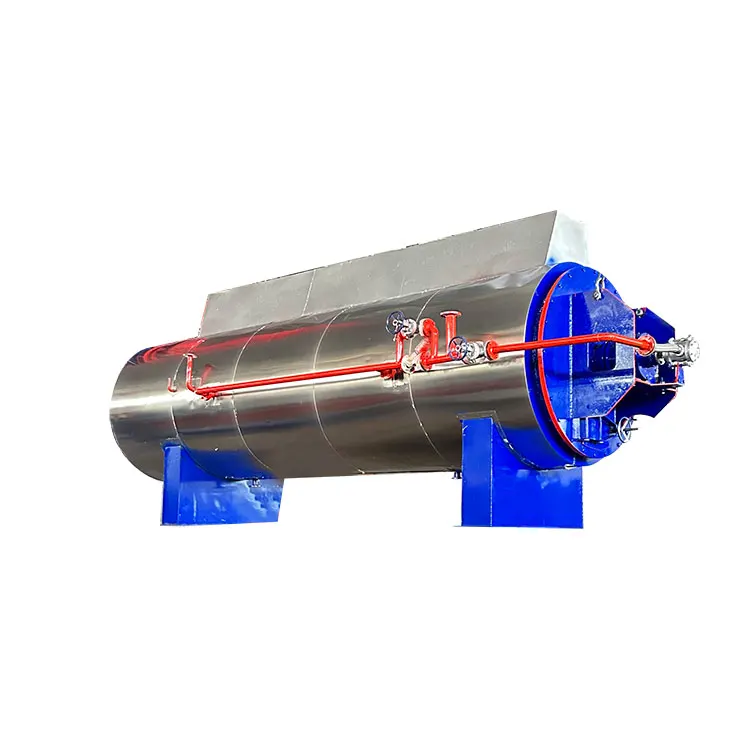
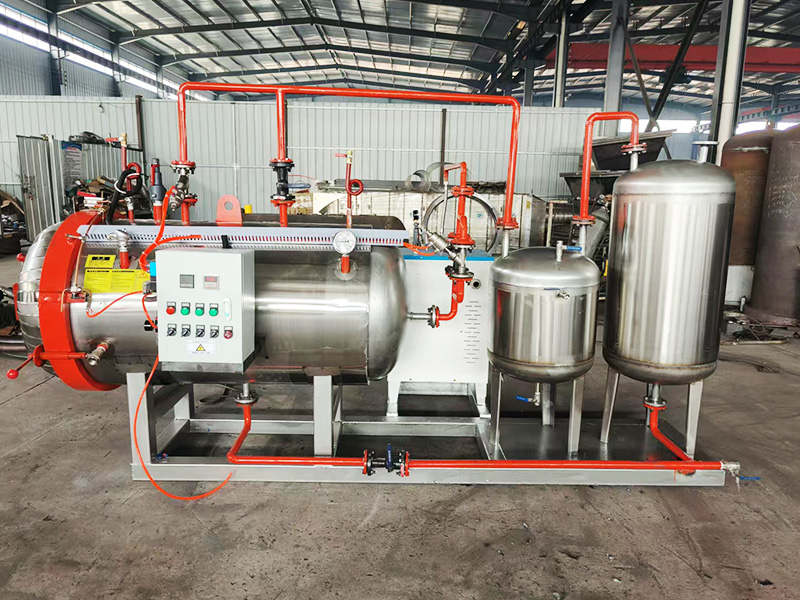
| Hydrolysis Reactor | Applies high temperature and pressure to break down keratin structure |
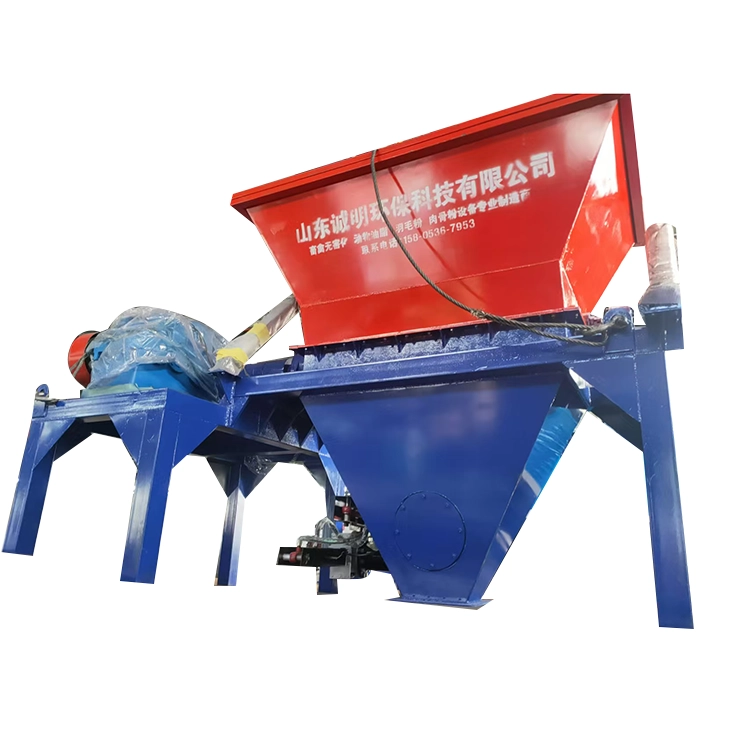
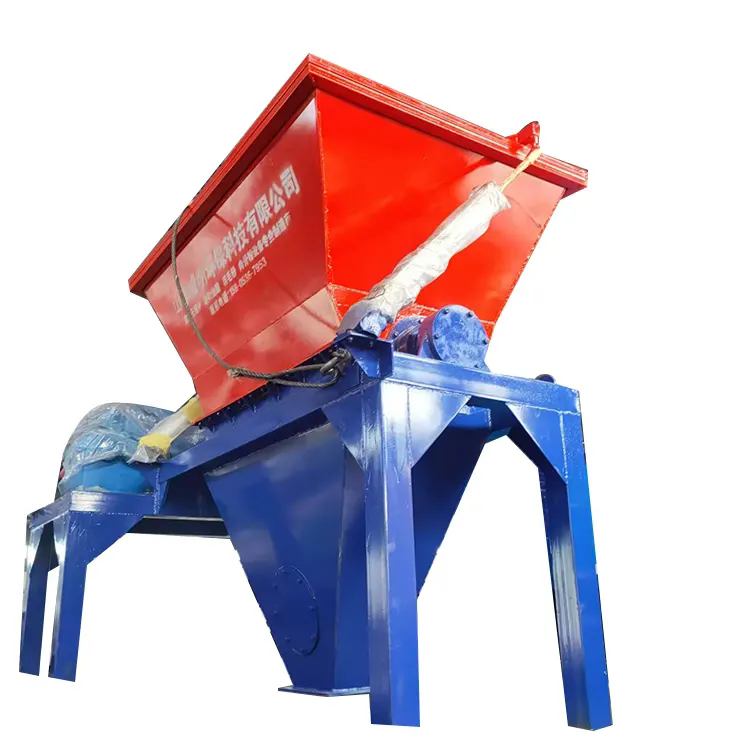
| Feeding System | Ensures stable and continuous input of raw feathers |
| Drying Unit | Reduces moisture content to improve shelf stability |
| Grinding System | Produces uniform particle size for feed or fertilizer use |
| Control System | Monitors temperature, pressure, and processing time |
Key Performance Advantages in Industrial Use
Modern feather meal equipment delivers measurable operational benefits across multiple dimensions.
- High protein retention through precise thermal control
- Consistent output quality suitable for standardized formulations
- Reduced odor emissions via sealed processing design
- Lower labor requirements through automation
- Compliance with industrial hygiene and safety standards
These advantages help processing plants convert a low-value waste stream into a revenue-generating product while maintaining operational stability.
Typical Application Scenarios
Feather meal equipment is widely deployed in facilities that handle large volumes of poultry by-products. Common application environments include:
- Poultry slaughterhouses with integrated by-product processing
- Animal feed manufacturing plants
- Organic fertilizer production lines
- Regional rendering centers serving multiple farms
In each scenario, equipment configuration can be adjusted to match capacity requirements and downstream product specifications.
Technical Parameters and Configuration Options
Although specifications vary by model, feather meal equipment is typically defined by several key parameters.
| Parameter | Typical Range |
|---|---|
| Processing Capacity | 1–20 tons per day |
| Operating Temperature | 130–160°C |
| Working Pressure | 0.3–0.5 MPa |
| Final Moisture Content | Below 10% |
Customization options may include energy recovery systems, odor treatment modules, and advanced automation interfaces.
Equipment Selection Considerations
Selecting suitable feather meal equipment requires balancing technical performance with long-term operational goals. Buyers typically evaluate:
- Daily throughput requirements
- Energy consumption and operating cost
- Ease of maintenance and component durability
- Process stability under continuous operation
- Supplier experience and technical support capability
Manufacturers such as Shandong Chengming focus on providing integrated solutions that align equipment design with real-world processing conditions, supporting both efficiency and reliability.
Frequently Asked Questions
Is feather meal suitable for direct animal feed use?
Feather meal is commonly used as a protein supplement in animal feed after proper hydrolysis, which improves digestibility and nutritional availability.
How does the equipment ensure biosafety?
High-temperature and high-pressure treatment effectively eliminates pathogens, meeting industrial hygiene requirements.
Can feather meal equipment operate continuously?
Yes. Many systems are designed for continuous operation, supporting stable output in large-scale facilities.
What maintenance is typically required?
Routine inspection of pressure vessels, seals, and control systems is recommended to ensure safe and efficient operation.
Conclusion and Business Value
Feather meal equipment plays a critical role in transforming poultry waste into valuable protein resources. By enabling controlled hydrolysis, efficient drying, and consistent output quality, this equipment supports sustainable production practices while improving economic returns. For enterprises seeking dependable solutions, working with experienced manufacturers such as Shandong Chengming can help ensure that system design, installation, and long-term operation align with production goals.
If your facility is exploring ways to improve by-product utilization and operational efficiency, now is the right time to evaluate advanced feather meal processing solutions. Contact us to discuss your requirements and discover how tailored equipment configurations can support your production objectives.
Related News
- How Does Dead Chicken Harmless Treatment Equipment Protect Farms and the Environment?
- What Is Dead Sheep Harmless Treatment Equipment and Why Is It Important
- What is Dead Sheep Harmless Treatment Equipment and Why is It Essential
- How Farm Harmless Treatment Equipment Improves Waste Management and Environmental Protection?
- How Does a Harmless Treatment Dryer Improve Waste Treatment Efficiency?
- How Does an Animal Carcass Crusher Improve Safe and Efficient Disposal?
Leave me a message