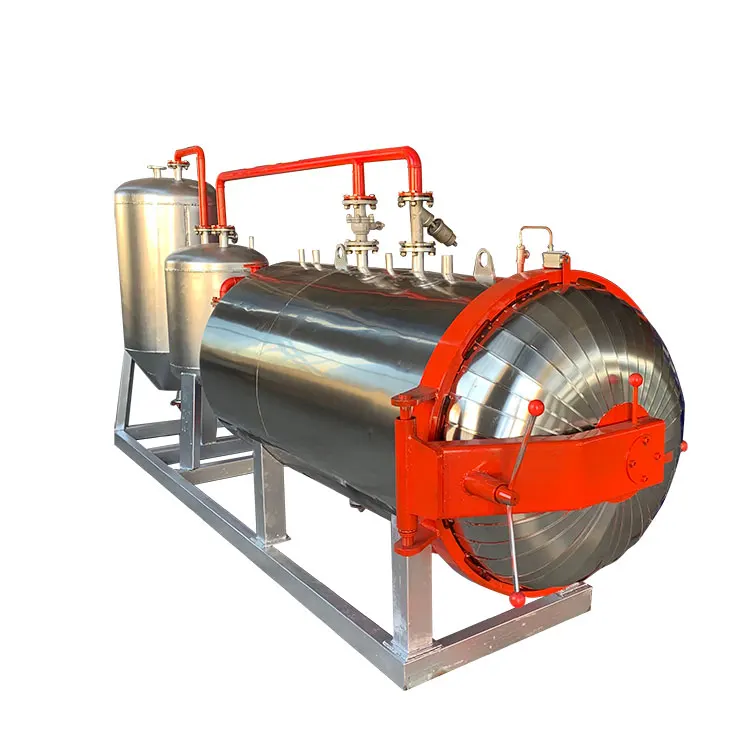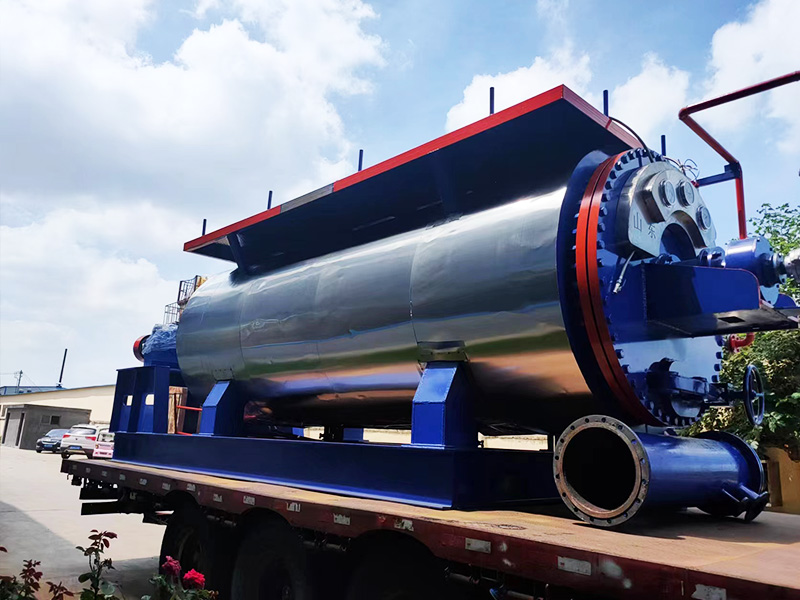

How Does Meat Bone Meal Equipment Improve By-Product Processing Efficiency?
Article Summary
Meat Bone Meal Equipment plays a critical role in transforming animal by-products into stable, valuable protein materials for feed, fertilizer, and industrial applications. For many processors, challenges such as inconsistent output quality, high operating costs, odor control, and regulatory pressure remain persistent obstacles. This article provides a structured and practical explanation of how modern Meat Bone Meal Equipment works, what problems it solves, and how to evaluate system configurations for long-term operational reliability. The content focuses on real-world processing needs, equipment functionality, and decision-making factors relevant to rendering plants and by-product recycling facilities.

Table of Contents
- Article Outline
- Understanding Meat Bone Meal Equipment
- Common Processing Challenges
- Typical Equipment Workflow
- Core System Components
- Key Technical Parameters
- Application Scenarios
- Equipment Selection Considerations
- Frequently Asked Questions
- Conclusion and Next Steps
Article Outline
- Definition and role of Meat Bone Meal Equipment
- Industry pain points and operational risks
- Process flow from raw material to finished meal
- Major equipment modules and their functions
- Technical parameters that influence performance
- Typical application environments
- Practical guidance for equipment evaluation
Understanding Meat Bone Meal Equipment
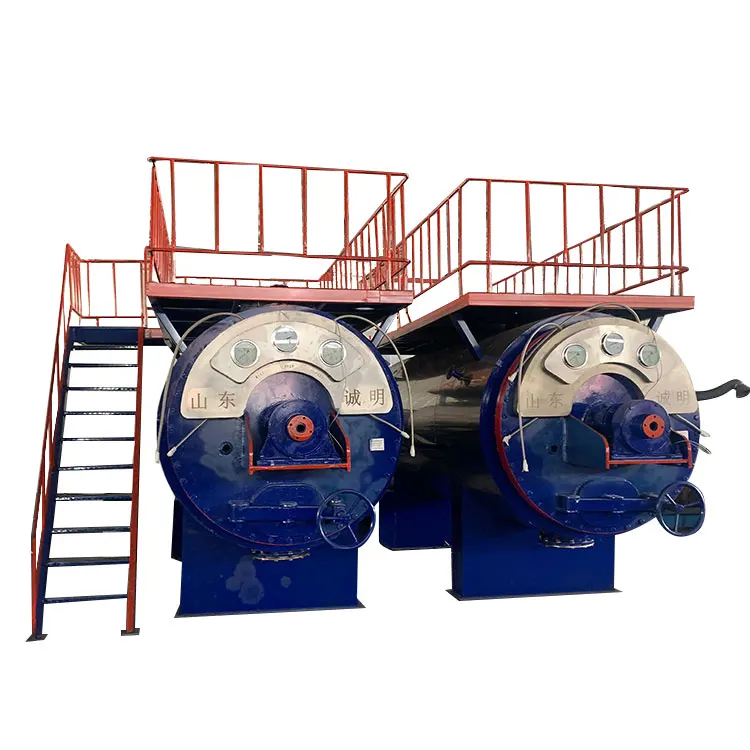
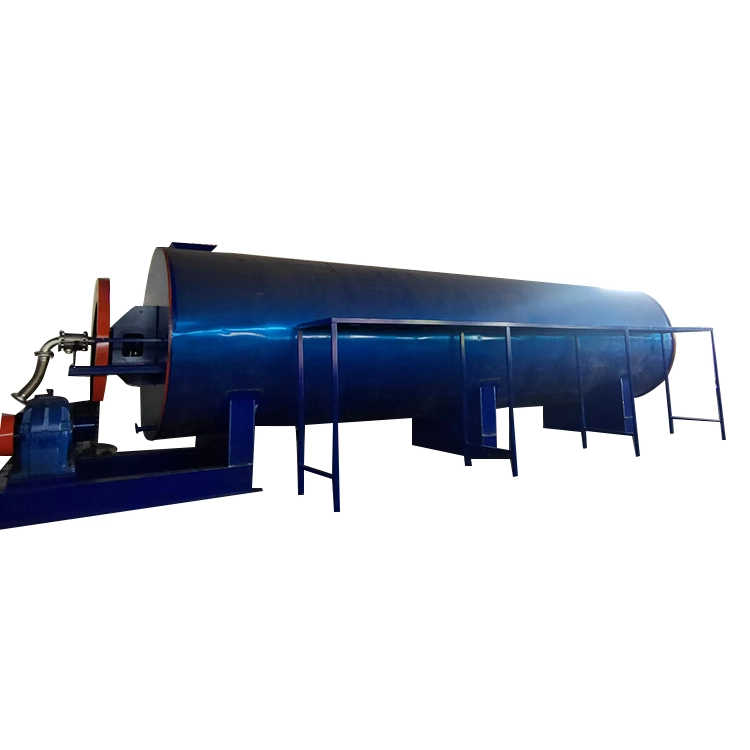
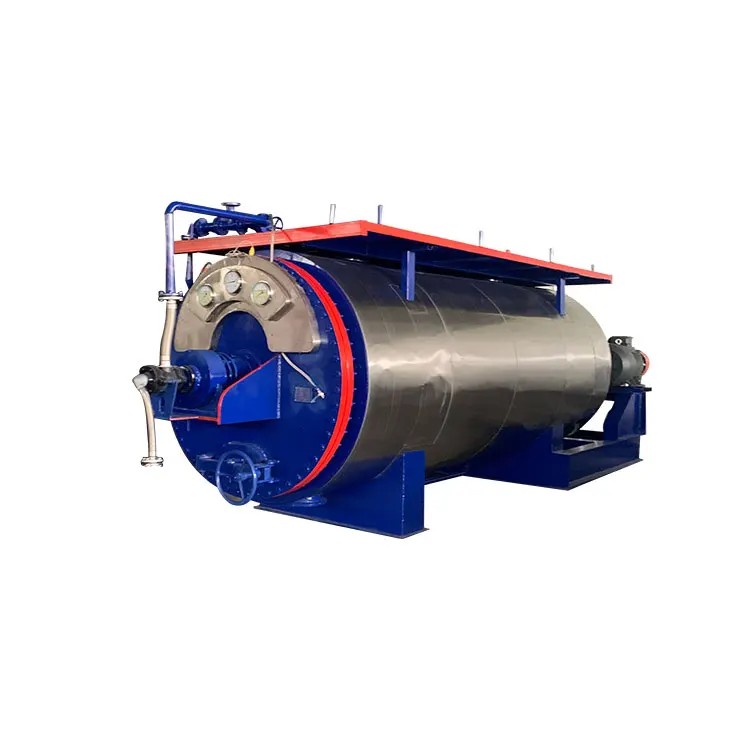
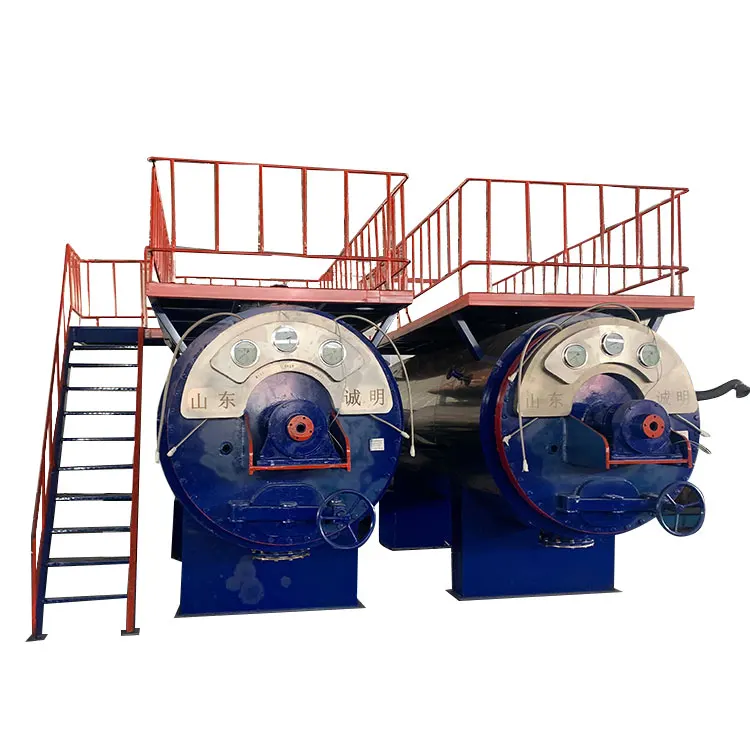
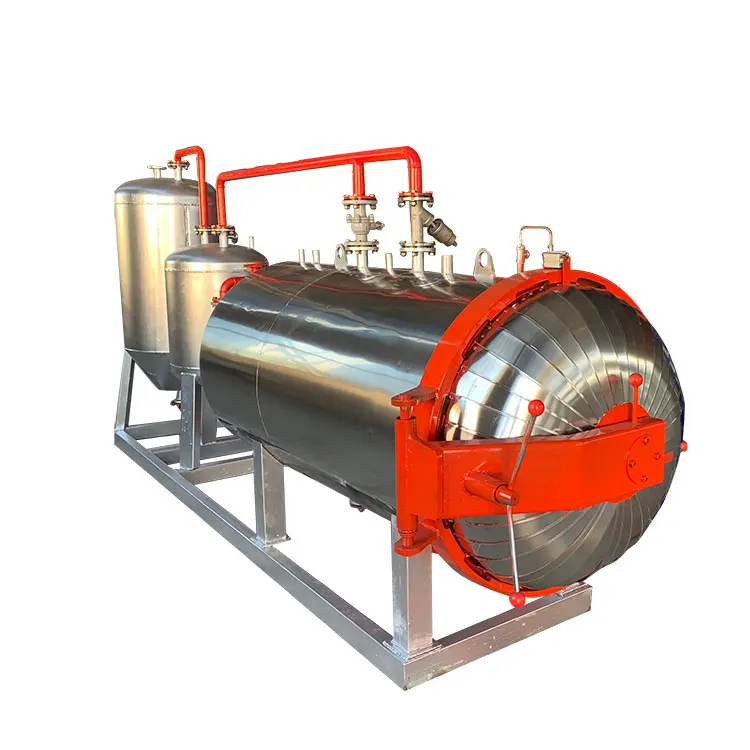
Meat Bone Meal Equipment refers to an integrated processing system designed to handle animal by-products such as bones, offal, trimmings, and residual tissues generated by slaughterhouses and meat processing facilities. Through controlled thermal, mechanical, and separation processes, these materials are converted into meat and bone meal with defined moisture, protein, and fat levels.
Modern systems emphasize continuous operation, hygienic design, and energy efficiency. Rather than serving as a single machine, Meat Bone Meal Equipment typically represents a coordinated production line that includes crushing, cooking, drying, oil separation, and milling stages. This integrated approach ensures consistent product quality while reducing waste disposal pressure.
Common Processing Challenges
Operators often encounter several recurring problems when processing animal by-products:
- High moisture content leading to unstable finished meal
- Odor emissions affecting surrounding environments
- Inconsistent particle size and nutrient distribution
- Excessive energy consumption during thermal treatment
- Frequent downtime due to material clogging or corrosion
Meat Bone Meal Equipment is engineered to address these issues by integrating precise temperature control, sealed processing environments, and durable material handling systems.
Typical Equipment Workflow
A standard Meat Bone Meal processing line follows a structured workflow to ensure both safety and efficiency:
- Pre-crushing: Raw materials are reduced in size to improve heat transfer.
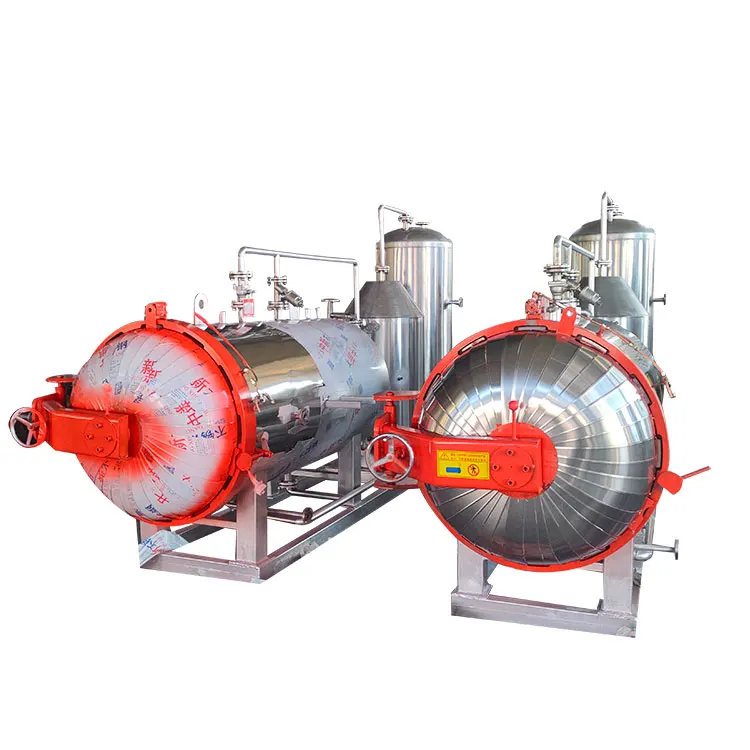
- Cooking and sterilization: High-temperature treatment eliminates pathogens and separates fat.
- Pressing or separation: Liquids and solids are divided for further processing.
- Drying: Moisture is reduced to stabilize the final product.
- Milling and packaging: The dried material is ground and prepared for storage or transport.
Core System Components
A complete Meat Bone Meal Equipment system typically includes the following modules:
- Raw material receiving and conveying units
- Crusher or pre-breaker
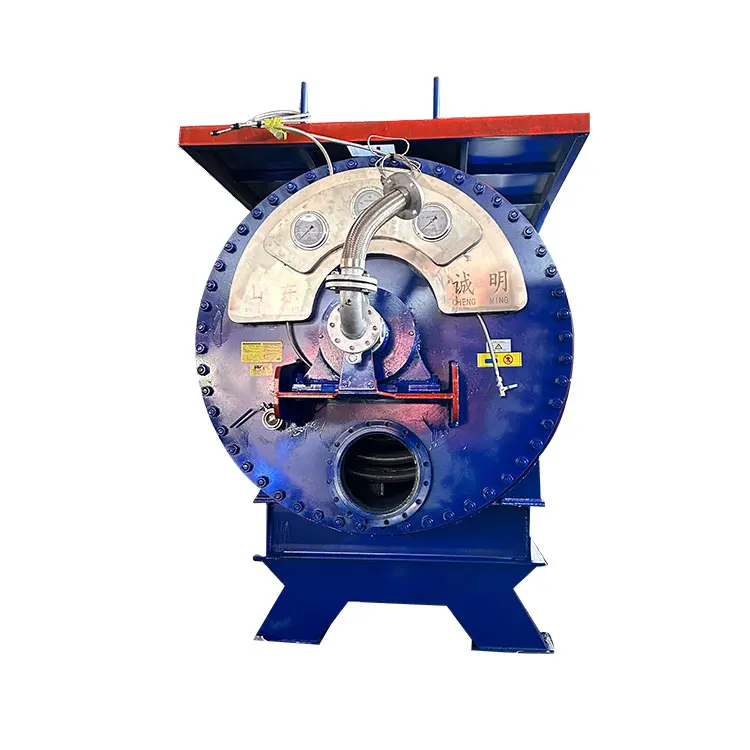
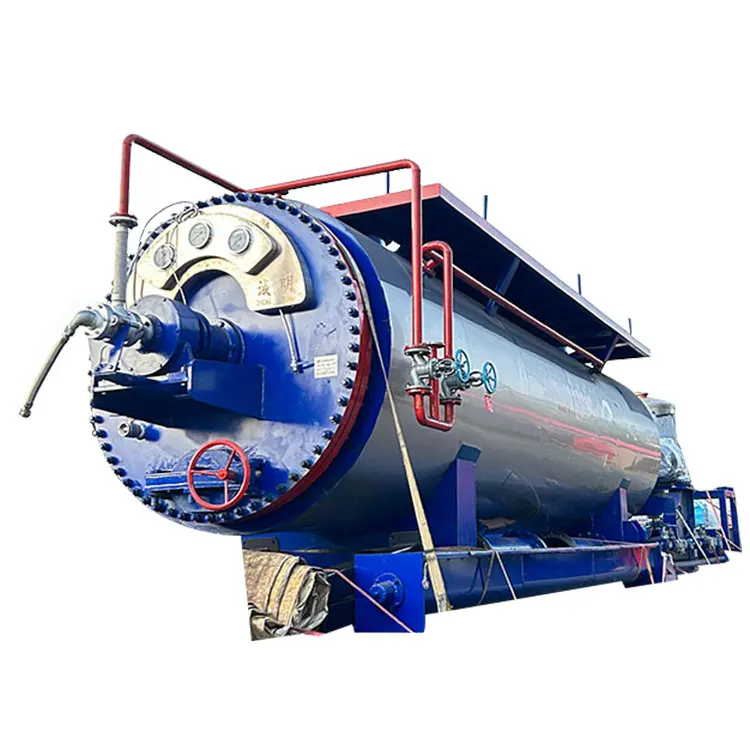
- Continuous cooker or batch digester
- Oil press or centrifuge
- Dryer and cooling unit
- Fine grinding and screening equipment
Each component must be properly matched to throughput requirements to avoid bottlenecks and uneven processing.
Key Technical Parameters
| Parameter | Typical Range | Operational Impact |
|---|---|---|
| Processing Capacity | 1–20 tons/hour | Determines plant-scale suitability |
| Cooking Temperature | 120–140°C | Ensures sterilization and fat separation |
| Final Moisture Content | ≤10% | Improves shelf stability |
| Material of Construction | Carbon steel / Stainless steel | Affects durability and maintenance cycles |
Application Scenarios
Meat Bone Meal Equipment is widely applied in:
- Large-scale slaughterhouses
- Animal by-product rendering plants
- Feed ingredient manufacturing facilities
- Organic fertilizer production lines
The adaptability of system configurations allows processors to align output specifications with local regulatory and market requirements.
Equipment Selection Considerations
When evaluating Meat Bone Meal Equipment, decision-makers should focus on:
- Compatibility with raw material characteristics
- Automation level and operational control
- Energy recovery and heat utilization options
- Ease of cleaning and routine maintenance
- Supplier engineering experience and service support
Manufacturers such as Shandong Chengming emphasize system integration and long-term operational stability to support continuous production demands.
Frequently Asked Questions
Q: What types of raw materials can be processed?
A: Meat Bone Meal Equipment can process bones, offal, trimmings, and mixed animal by-products with varying moisture and fat levels.
Q: How is odor controlled during processing?
A: Sealed systems combined with controlled thermal treatment and exhaust management significantly reduce odor emissions.
Q: Is continuous operation suitable for small plants?
A: Modular system designs allow capacity adjustment, making continuous or semi-continuous operation feasible for different plant sizes.
Conclusion and Next Steps
Meat Bone Meal Equipment provides a practical solution for converting animal by-products into usable resources while improving environmental and operational performance. By understanding process workflows, component functions, and key technical parameters, processors can make informed decisions that support consistent output and long-term reliability.
For tailored system design and detailed technical consultation, Shandong Chengming offers engineering-focused solutions aligned with real processing needs. To explore configuration options or request project guidance, please contact us to discuss how the right Meat Bone Meal Equipment can support your production objectives.
Related News
- How Does Dead Chicken Harmless Treatment Equipment Protect Farms and the Environment?
- What Is Dead Sheep Harmless Treatment Equipment and Why Is It Important
- What is Dead Sheep Harmless Treatment Equipment and Why is It Essential
- How Farm Harmless Treatment Equipment Improves Waste Management and Environmental Protection?
- How Does a Harmless Treatment Dryer Improve Waste Treatment Efficiency?
- How Does an Animal Carcass Crusher Improve Safe and Efficient Disposal?
Leave me a message