
How Is Food Waste Managed More Efficiently in Commercial and Municipal Environments?
Abstract
Food waste has become a growing operational and regulatory challenge for commercial kitchens, food processing facilities, and municipal waste systems. Increasing disposal costs, landfill restrictions, and sustainability mandates have accelerated demand for on-site food waste treatment solutions. This article provides a comprehensive examination of food waste dryer systems, focusing on how they function, where they are deployed, what technical parameters define performance, and how organizations evaluate them for long-term compliance and efficiency. The discussion emphasizes practical implementation rather than promotional language, offering structured insights suitable for procurement managers, engineers, and environmental compliance officers.
Article Outline
- Introduction to Food Waste Dryer Applications
- How Food Waste Dryer Systems Operate in Practice
- Technical Parameters and System Configuration
- Deployment Scenarios and Compliance Considerations
Table of Contents
- 1. Introduction to Food Waste Dryer Applications
- 2. How Food Waste Dryer Systems Operate in Practice
- 3. Technical Parameters and System Configuration
- 4. Deployment Scenarios and Regulatory Alignment
- Food Waste Dryer FAQs
1. Introduction to Food Waste Dryer Applications
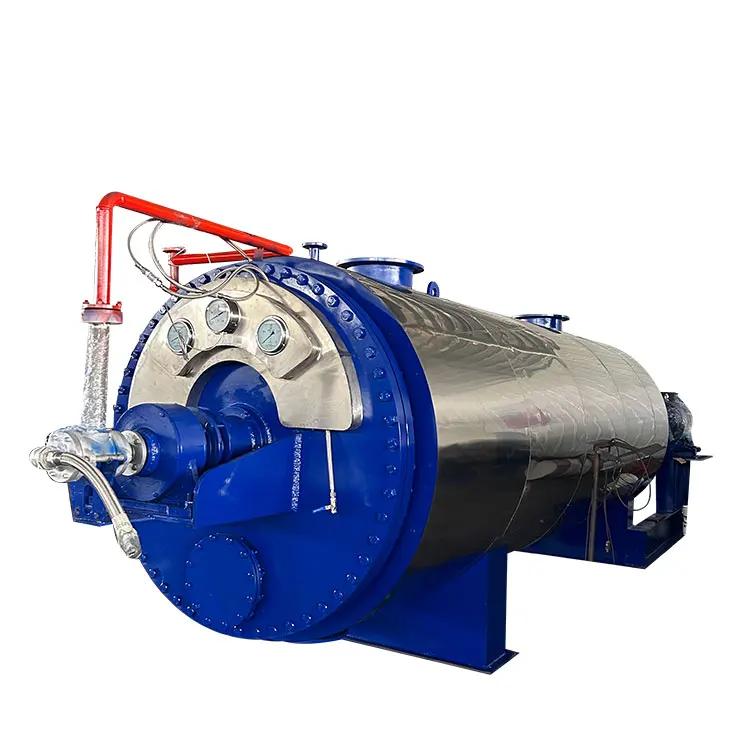
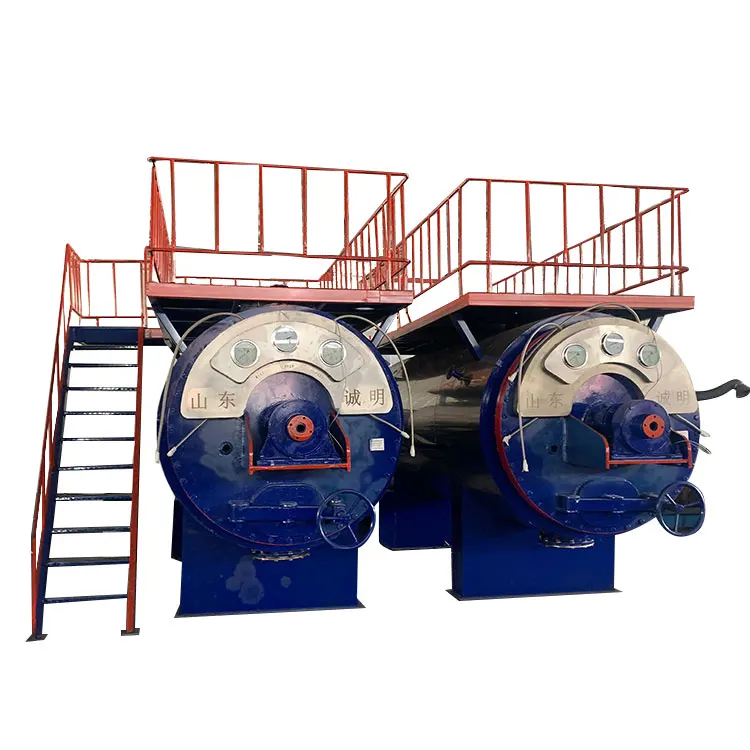
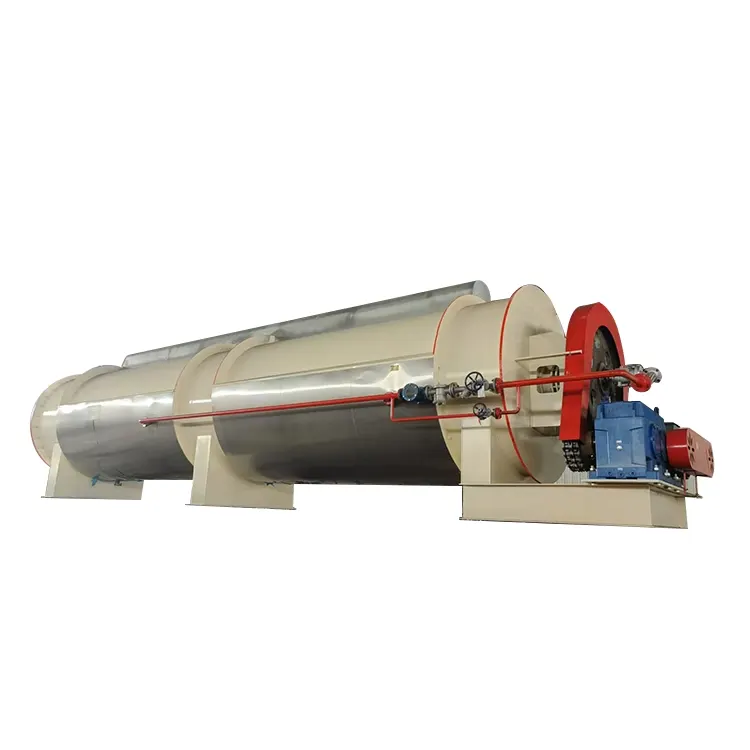
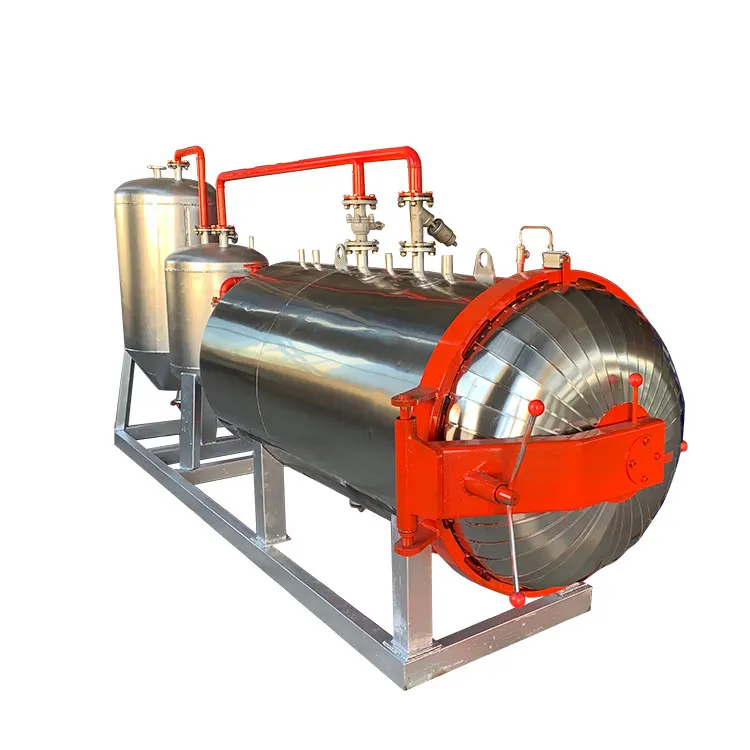
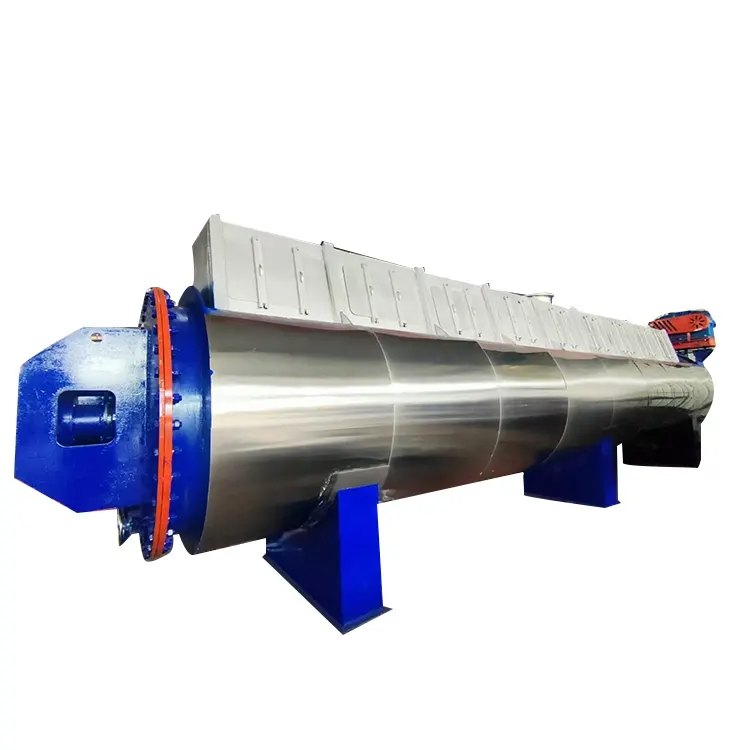
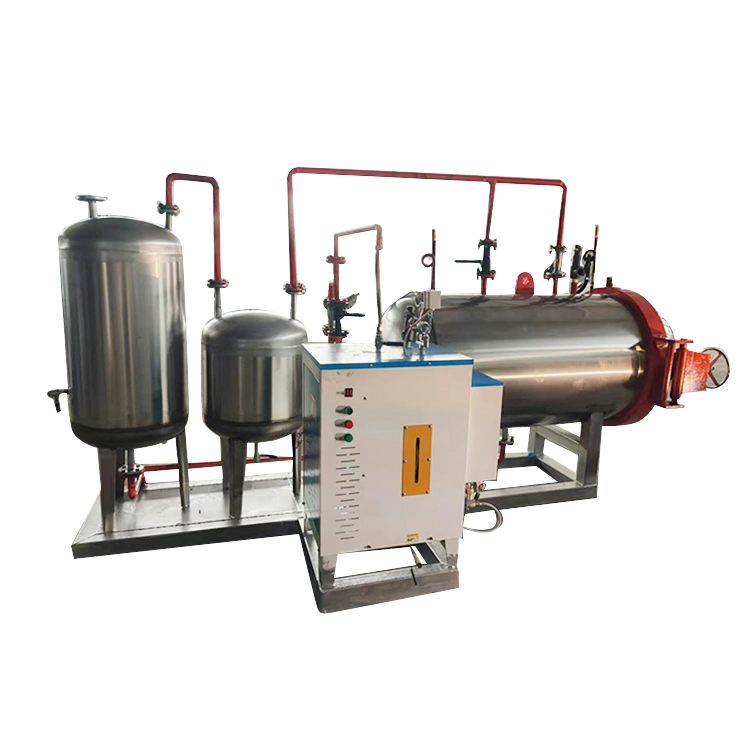
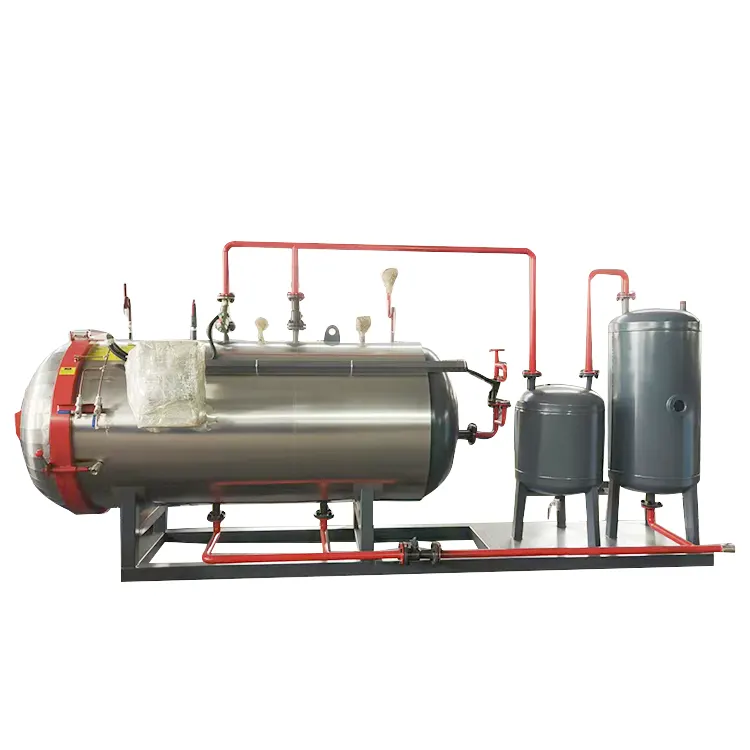
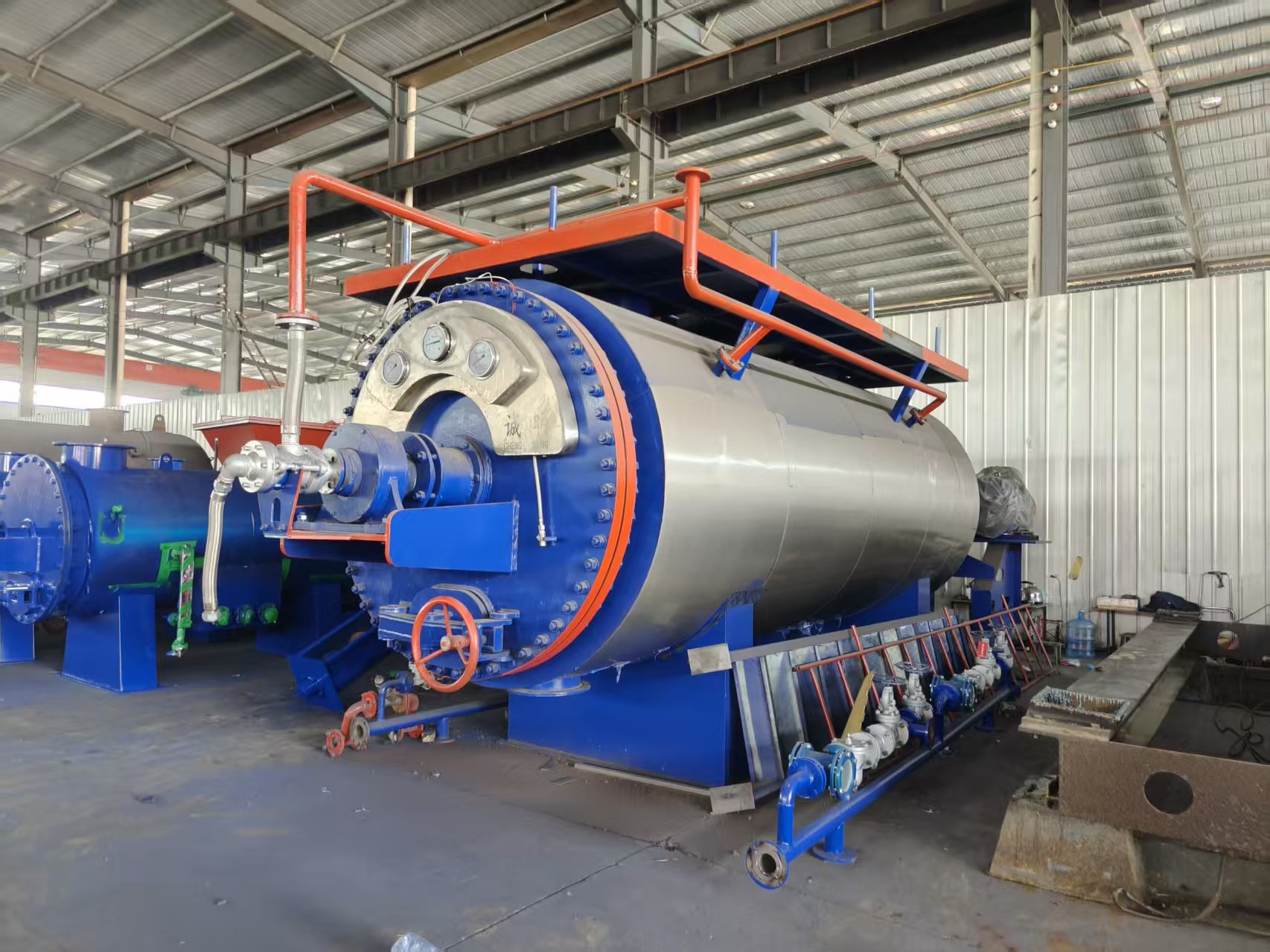
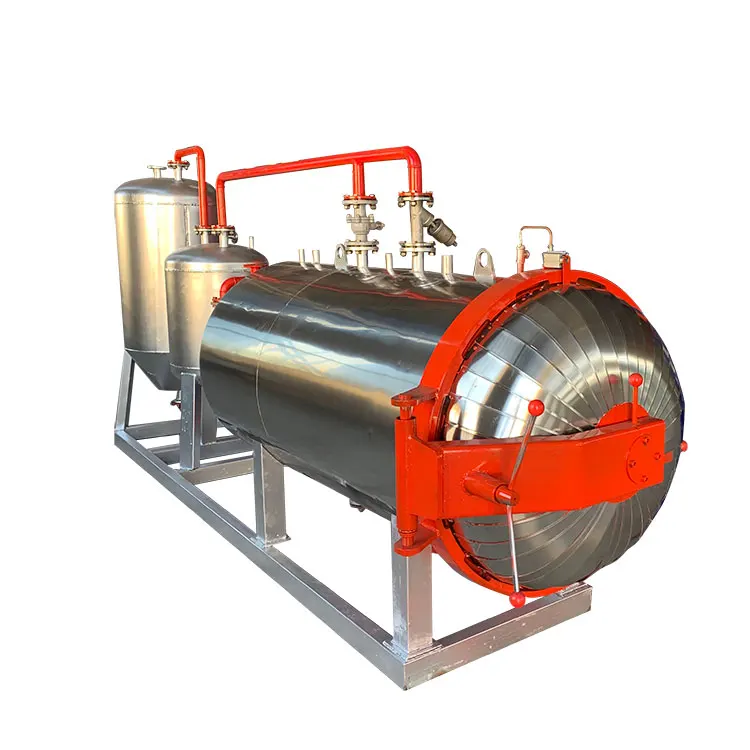
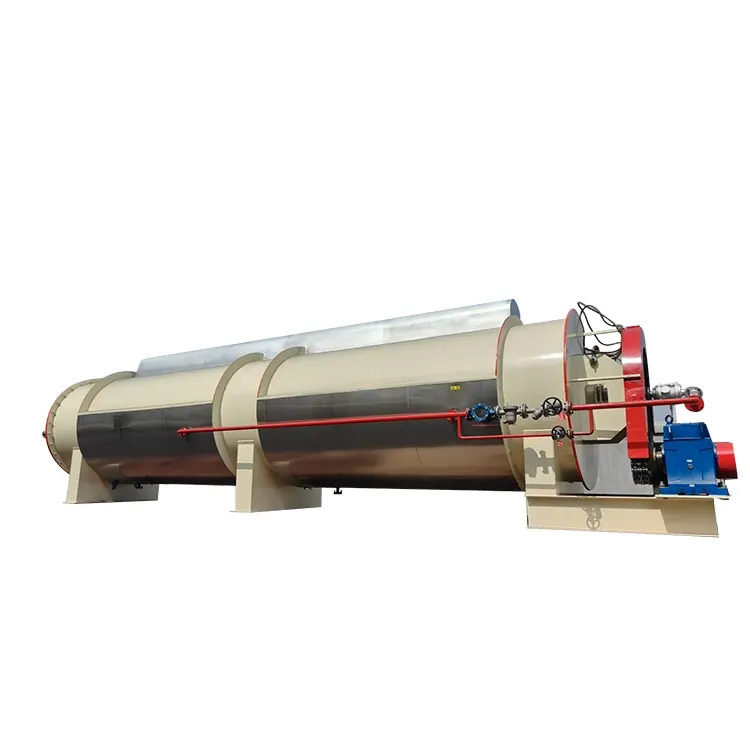
A food waste dryer is an engineered system designed to reduce the mass and volume of organic waste through controlled thermal dehydration. By applying heat, agitation, and exhaust management, the system removes moisture from food waste, transforming wet organic material into a stabilized, dry residue suitable for secondary handling.
The central objective of this article is to explain how food waste dryer systems are evaluated and integrated into operational workflows across commercial and municipal environments. Rather than emphasizing marketing claims, the discussion focuses on system logic, performance parameters, and decision-making criteria that influence adoption. Understanding these elements allows organizations to align waste treatment strategies with cost control, hygiene management, and environmental compliance requirements.
2. How Food Waste Dryer Systems Operate in Practice
Food waste dryer operation follows a structured process designed to ensure consistent moisture reduction while maintaining safe operating conditions. Waste is introduced into a sealed drying chamber, where mechanical stirring prevents clumping and ensures uniform heat exposure. Heating elements elevate internal temperatures to a range suitable for moisture evaporation without combustion.
Exhaust systems equipped with filtration or condensation units manage vapor output, reducing odor and particulate discharge. Control modules regulate temperature, cycle duration, and motor load to accommodate different waste compositions, such as high-moisture vegetable scraps or protein-rich residues.
From an operational perspective, the drying cycle typically runs unattended once initiated, allowing facilities to integrate waste treatment into daily routines without extensive labor requirements. The resulting dried output occupies significantly less storage space and can be handled according to local waste classification policies.
3. Technical Parameters and System Configuration
Evaluating a food waste dryer requires careful review of its technical specifications, as these parameters determine suitability for specific operational scales and waste profiles. The following table summarizes commonly referenced configuration metrics used during procurement and system comparison.
| Parameter | Specification Range | Operational Relevance |
|---|---|---|
| Processing Capacity | 100–5000 kg/day | Defines daily waste throughput limits |
| Drying Temperature | 80–130°C | Controls moisture evaporation efficiency |
| Volume Reduction Rate | 70–90% | Determines storage and disposal frequency |
| Power Consumption | 5–60 kW | Impacts operating cost and electrical planning |
| Control System | PLC or Touch Panel | Supports automation and safety monitoring |
| Material Construction | Stainless Steel | Ensures corrosion resistance and hygiene |
These parameters are typically assessed in relation to facility size, waste generation patterns, and available infrastructure. Oversizing may lead to unnecessary energy use, while undersizing can create processing bottlenecks.
4. Deployment Scenarios and Regulatory Alignment
Food waste dryer systems are deployed across a range of environments, including hotels, hospitals, food processing plants, and municipal waste transfer stations. Each scenario presents distinct operational and regulatory considerations.
In commercial kitchens, space constraints and noise limits influence equipment selection, while hospitals prioritize hygiene control and sealed operation. Industrial food processors often integrate dryers into centralized waste handling lines, coordinating with upstream sorting systems.
From a compliance perspective, dried food waste may be classified differently from untreated organic waste, depending on local regulations. Facilities frequently consult environmental authorities to determine acceptable disposal or reuse pathways, such as co-processing, compost blending, or controlled incineration.
Food Waste Dryer – Common Questions and Answers
How does a food waste dryer differ from traditional composting systems?
A food waste dryer relies on thermal dehydration to remove moisture rapidly, whereas composting depends on biological decomposition over extended periods, requiring more space and process control.
How is odor managed during the drying process?
Odor is controlled through sealed chambers, negative pressure airflow, and integrated exhaust filtration systems that treat vapor before release.
How long does a typical drying cycle take?
Cycle duration varies by waste composition and load size, but most systems complete processing within 8 to 24 hours under normal operating conditions.
How is dried output typically handled after processing?
The dried residue is stored in sealed containers and managed according to local waste regulations, often requiring less frequent removal due to reduced volume.
Conclusion and Industry Perspective
As food waste regulations and operational costs continue to evolve, organizations are reassessing on-site treatment strategies with greater attention to efficiency, compliance, and process integration. Food waste dryer systems represent a structured approach to addressing moisture-heavy organic waste streams while maintaining predictable operational workflows.
Manufacturers such as Shandong Chengming Environmental Protection have focused on developing food waste dryer systems engineered for stability, scalability, and long-term operation across diverse application environments.
For organizations evaluating food waste management solutions or seeking detailed technical guidance tailored to specific operational conditions, professional consultation is recommended. Contact us to discuss system configuration, capacity planning, and compliance alignment for your facility.
Related News
- How Does Dead Chicken Harmless Treatment Equipment Protect Farms and the Environment?
- What Is Dead Sheep Harmless Treatment Equipment and Why Is It Important
- What is Dead Sheep Harmless Treatment Equipment and Why is It Essential
- How Farm Harmless Treatment Equipment Improves Waste Management and Environmental Protection?
- How Does a Harmless Treatment Dryer Improve Waste Treatment Efficiency?
- How Does an Animal Carcass Crusher Improve Safe and Efficient Disposal?
Leave me a message