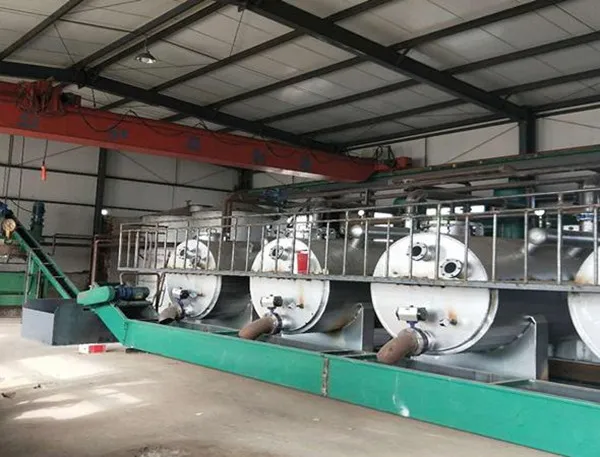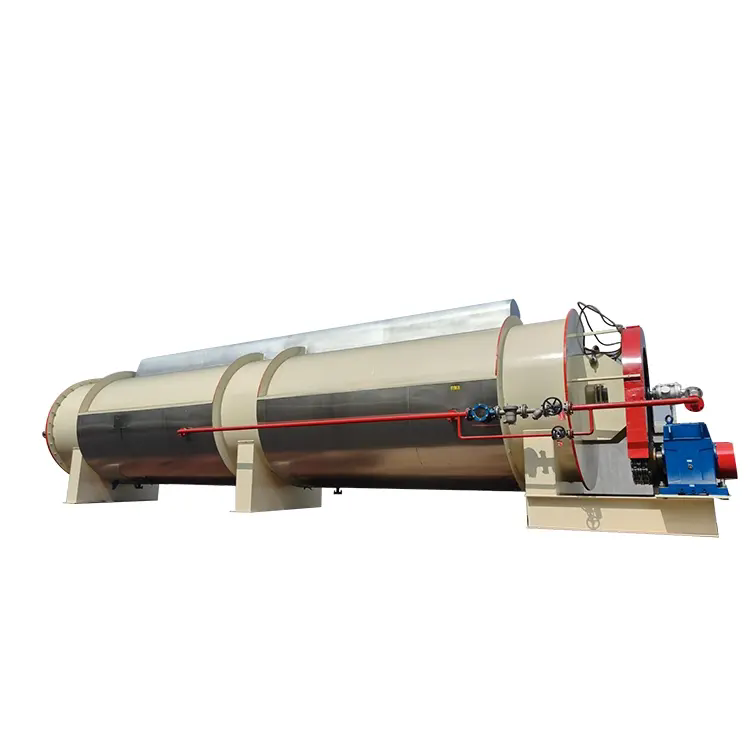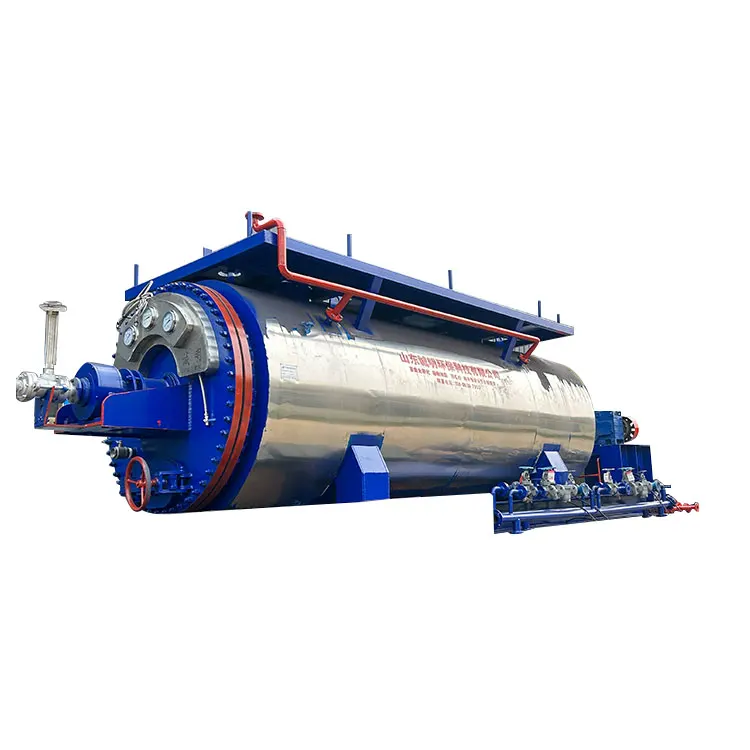

Why Is a Grain Sterilization Tank Essential for Modern Food Processing?
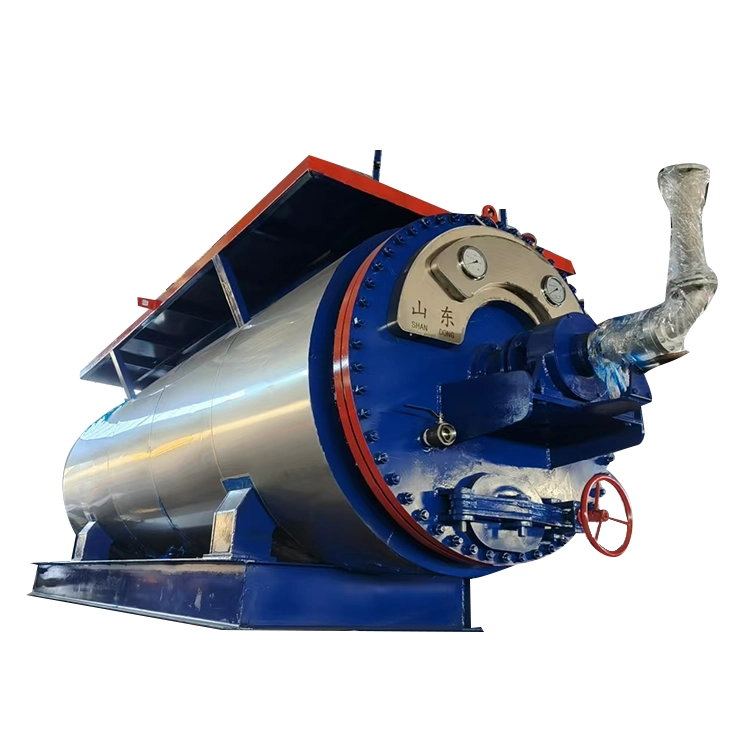
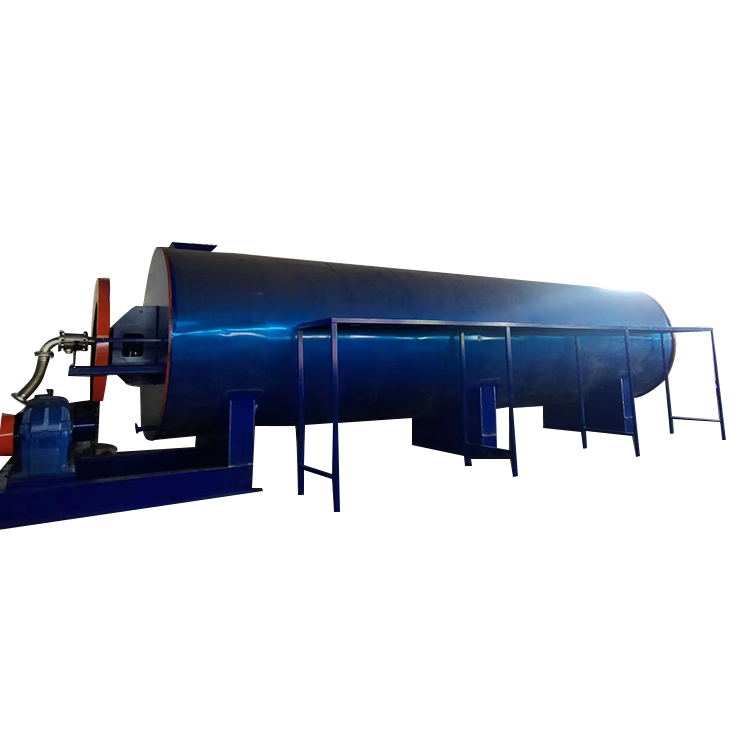
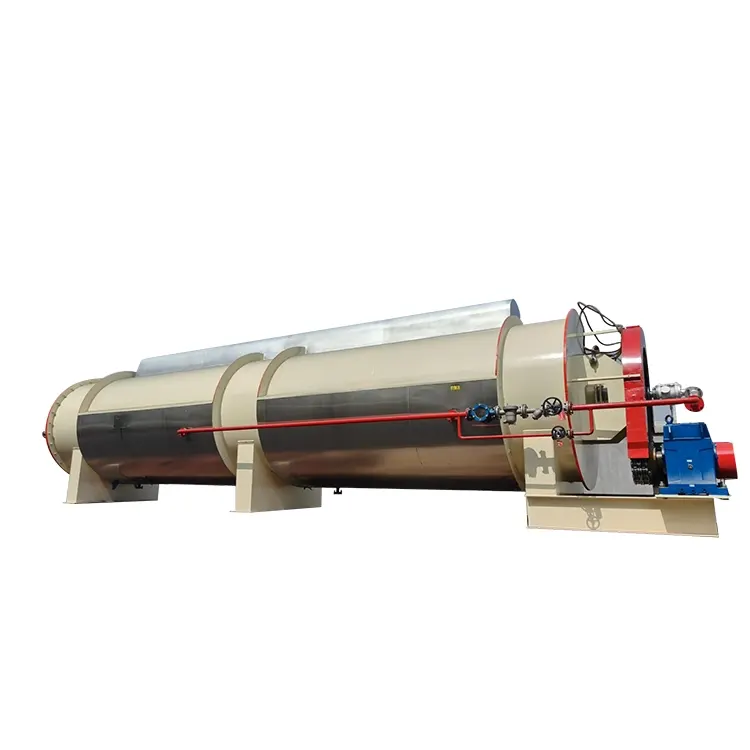
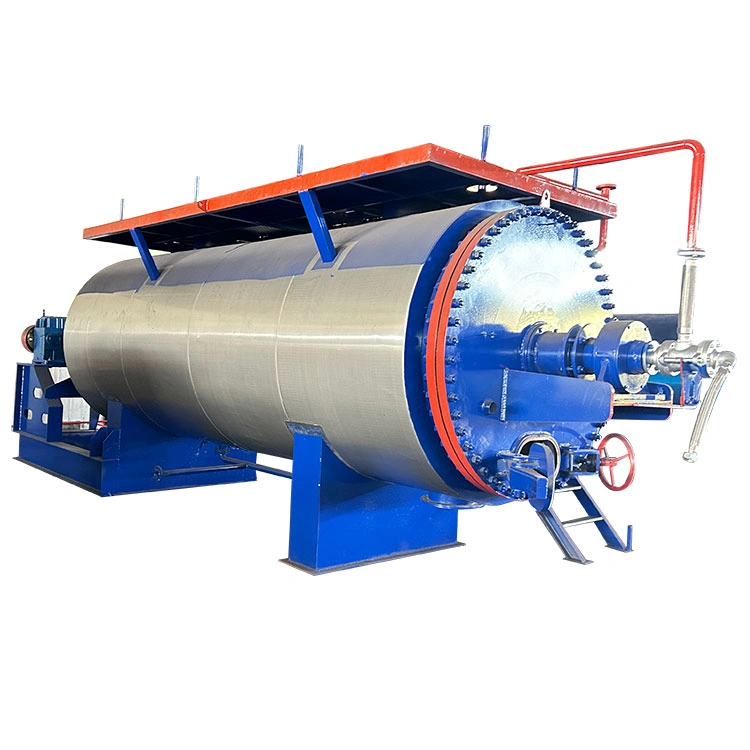
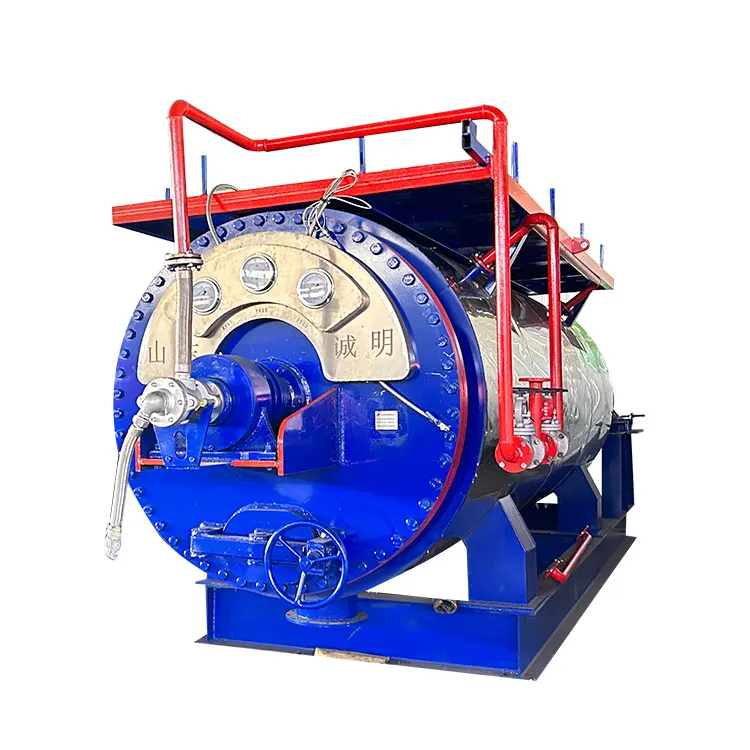
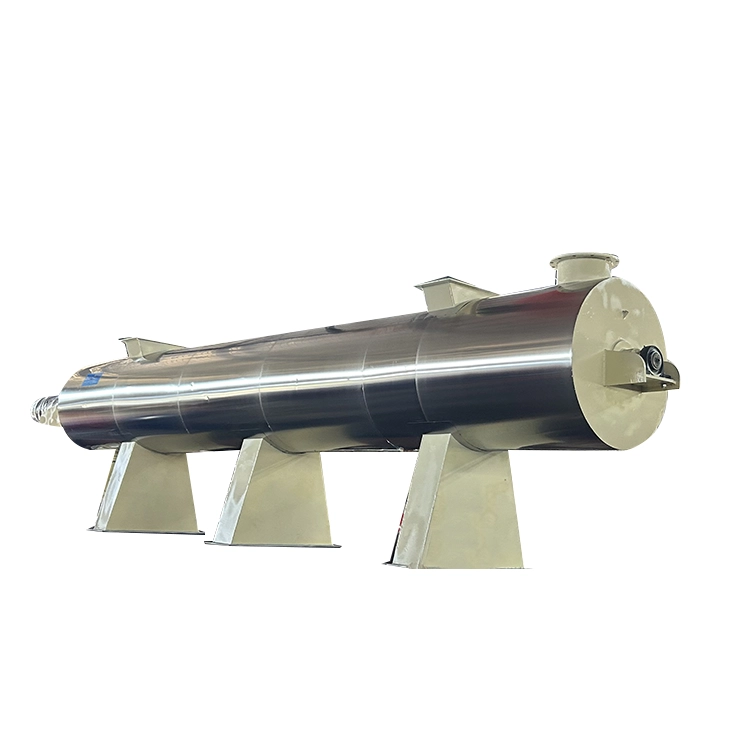
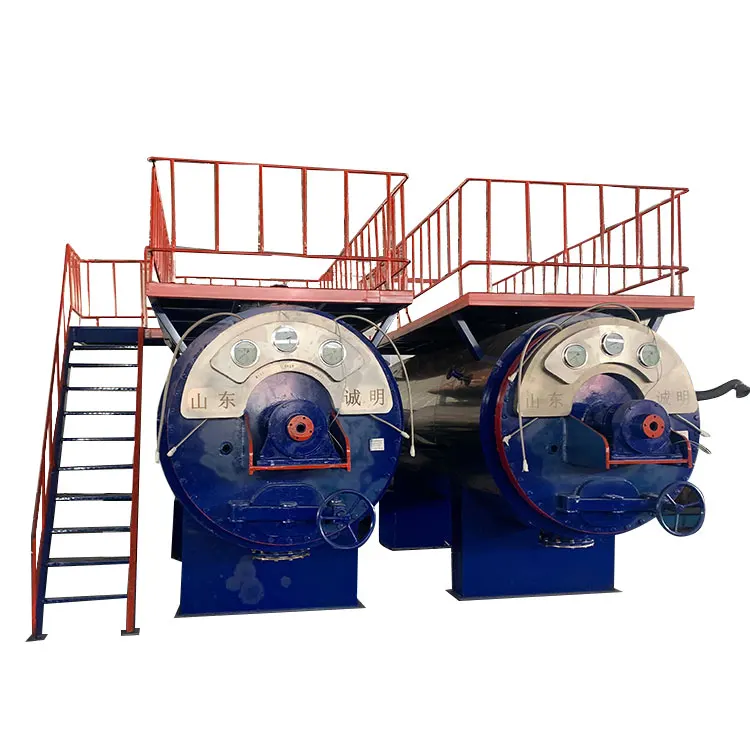
A Grain Sterilization Tank plays a vital role in agricultural and food manufacturing environments where hygiene, quality stability, and compliance with safety standards are crucial. As grain products continue to move toward large-scale and automated production, the demand for efficient sterilizing equipment has increased steadily. This article explores its functions, performance, importance, and technical parameters, following a clear and professional structure suitable for international readers. Ningbo Moldor Plastic Co., Ltd. specializes in manufacturing reliable processing equipment, including high-performance Grain Sterilization Tank solutions designed for modern production lines.
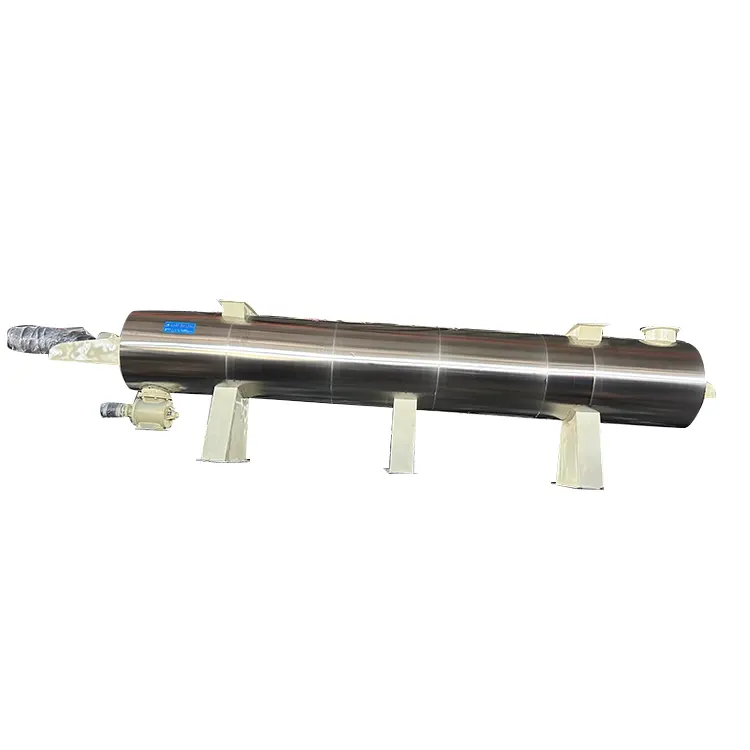
What Functions Does a Grain Sterilization Tank Provide?
A Grain Sterilization Tank is designed to kill bacteria, mold, spores, and harmful microorganisms found in raw grains. It helps extend shelf life, ensures food safety, and prevents deterioration during storage or transport. Through controlled heating, pressure cycling, or steam-based sterilization, the tank provides a stable and hygienic environment suitable for various grain types, including rice, barley, wheat, corn, and feed grains.
Main functions include:
-
Eliminates bacteria and pathogens through controlled thermal sterilization
-
Ensures uniform treatment without damaging grain quality
-
Maintains stable temperature and pressure for consistent performance
-
Supports continuous production in large-scale facilities
-
Reduces contamination risk in downstream processing
How Does a Grain Sterilization Tank Improve Processing Efficiency?
A modern Grain Sterilization Tank enhances workflow by reducing manual handling, preventing secondary pollution, and improving batch consistency. It provides repeatable processing conditions that lead to predictable product quality, benefiting both small and large manufacturing plants.
Performance advantages:
-
Higher sterilization efficiency due to optimized heating distribution
-
Lower energy consumption with insulated tank design
-
Minimal nutrient loss as the process maintains grain stability
-
Automated controls reduce human error and improve accuracy
-
Longer storage time for sterilized grains, improving inventory flexibility
Manufacturers such as Ningbo Moldor Plastic Co., Ltd. prioritize reliability, making the equipment suitable for long-term industrial operation.
Why Is a Grain Sterilization Tank Important in Modern Food Safety?
Food safety regulations worldwide require rigorous sterilization procedures to protect consumers. A Grain Sterilization Tank is indispensable because it addresses hidden contamination risks that are not visible to the naked eye. Mold spores, harmful bacteria, and pests can thrive in untreated grain, causing spoilage or health hazards.
Importance of using the tank:
-
Ensures compliance with international hygiene standards
-
Supports hazard-free production for human and animal consumption
-
Prevents toxin generation caused by mold and fungi
-
Elevates product quality for export-level requirements
What Are the Main Technical Parameters of Our Grain Sterilization Tank?
Below is a simplified technical parameter table tailored for industrial buyers seeking clear specifications.
Product Parameters
| Parameter Category | Specification Details |
|---|---|
| Material | Food-grade stainless steel / corrosion-resistant alloy |
| Capacity Options | 300L / 500L / 800L / 1000L / Custom sizes |
| Sterilization Method | Steam heating / electric heating / pressure cycle |
| Temperature Range | 80°C – 135°C adjustable |
| Pressure Control | 0.02 – 0.25 MPa depending on model |
| Control System | PLC automatic control with digital temperature monitoring |
| Safety Features | Pressure relief valve, overload protection, sealed locking system |
| Application | Wheat, corn, barley, rice, beans, feed grains |
Key Product Highlights
-
Durable welded structure for long service life
-
Uniform steam distribution for stable grain treatment
-
Optional automatic feeding and discharging system
-
Easy cleaning and maintenance design
-
Suitable for continuous or batch operations
How Do Users Benefit from a High-Quality Grain Sterilization Tank?
Ningbo Moldor Plastic Co., Ltd. focuses on user-centered design, ensuring operators achieve the following results:
-
Better hygiene control: Helps eliminate microorganisms effectively
-
Improved product consistency: Maintains uniform sterilization cycles
-
Enhanced storage performance: Grains remain fresher for longer periods
-
Reduced labor intensity: Automated systems lower manual workload
-
Lower operational cost: Energy-efficient heating systems minimize waste
FAQ About Grain Sterilization Tank
Q1: What is the main purpose of a Grain Sterilization Tank?
A1: Its main purpose is to remove harmful microorganisms from grains through controlled heating or pressure-based sterilization, ensuring safer storage and processing.
Q2: How does a Grain Sterilization Tank protect grain quality?
A2: It delivers precise temperature and pressure control, preventing over-processing and reducing nutrient loss while maintaining the grain's natural texture and integrity.
Q3: Can the Grain Sterilization Tank be customized for different production scales?
A3: Yes. Ningbo Moldor Plastic Co., Ltd. offers customizable capacities, heating systems, automation levels, and material selections to meet small or large-scale application needs.
Q4: Is the Grain Sterilization Tank easy to maintain?
A4: The tank features smooth internal surfaces, accessible valves, and easy-clean structures, ensuring minimal downtime and long-term stable performance.
Contact Us for Professional Grain Processing Solutions
A Grain Sterilization Tank is a valuable investment for any food, agriculture, or feed production facility aiming to improve hygiene standards and ensure product consistency. If you are looking for reliable equipment or customized processing solutions, Ningbo Moldor Plastic Co., Ltd. welcomes your inquiry.
Contact us anytime for specifications, pricing, and technical support.
Related News
- How Does Dead Chicken Harmless Treatment Equipment Protect Farms and the Environment?
- What Is Dead Sheep Harmless Treatment Equipment and Why Is It Important
- What is Dead Sheep Harmless Treatment Equipment and Why is It Essential
- How Farm Harmless Treatment Equipment Improves Waste Management and Environmental Protection?
- How Does a Harmless Treatment Dryer Improve Waste Treatment Efficiency?
- How Does an Animal Carcass Crusher Improve Safe and Efficient Disposal?
Leave me a message