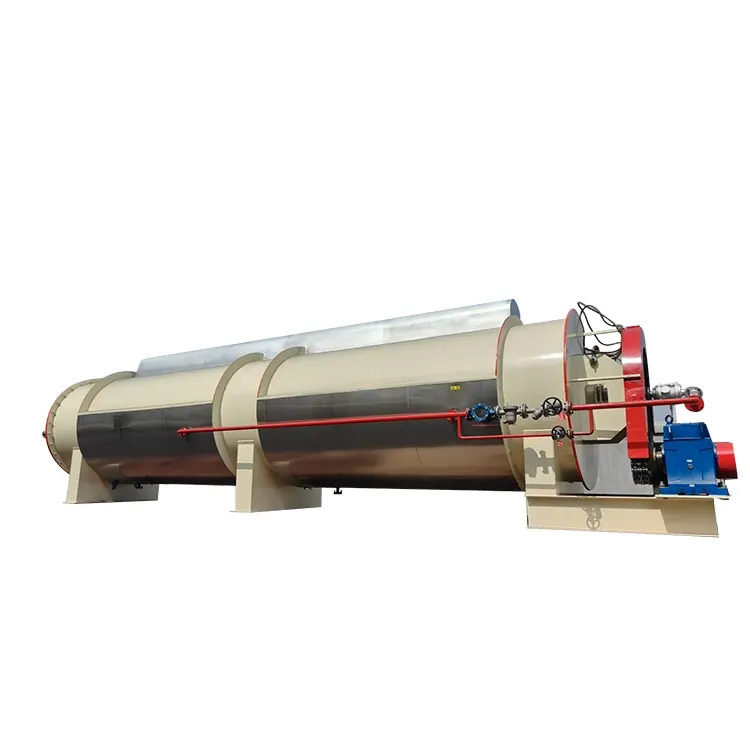

How Does an Animal Carcass Crusher Improve Biosecurity and Waste Management?
Article Abstract
The disposal of animal carcasses presents serious challenges for farms, slaughterhouses, veterinary facilities, and municipal waste operators. Improper handling can lead to disease transmission, environmental pollution, regulatory penalties, and rising operational costs. An Animal Carcass Crusher offers a controlled, efficient, and hygienic solution by reducing carcass volume and preparing waste for downstream treatment processes. This article explains how an animal carcass crusher works, what problems it solves, and how to select the right system for long-term, compliant operation.

Table of Contents
- Article Outline
- Key Challenges in Animal Carcass Disposal
- What Is an Animal Carcass Crusher?
- How an Animal Carcass Crusher Works
- Practical Benefits for End Users
- Common Application Scenarios
- Typical Technical Parameters
- How to Choose the Right Equipment
- Operational and Maintenance Considerations
- Frequently Asked Questions
Article Outline
- Industry background and disposal risks
- Core functions of an animal carcass crusher
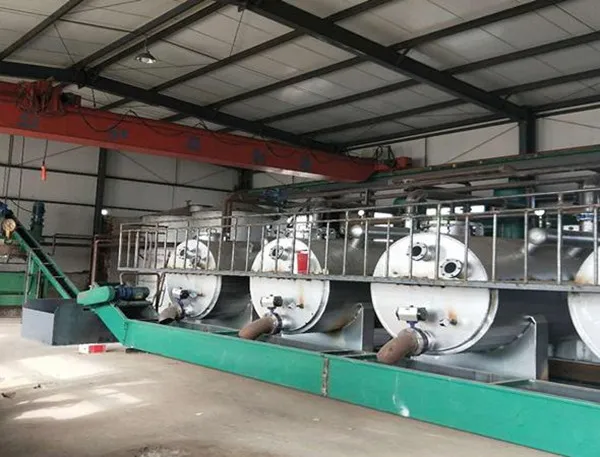
- Workflow integration with treatment systems
- Cost, safety, and environmental advantages
- Equipment selection and long-term operation
Key Challenges in Animal Carcass Disposal
Animal carcass disposal is a high-risk task due to biological, chemical, and environmental factors. When carcasses are stored or transported without proper processing, they can quickly become a source of pathogens, odors, and leachate.
- Disease transmission: Untreated carcasses may harbor viruses, bacteria, or parasites that threaten livestock and public health.
- Environmental pollution: Leaking fluids can contaminate soil and groundwater.
- Odor management: Decomposition produces strong odors that affect nearby communities.
- Regulatory compliance: Many regions enforce strict rules on carcass handling and treatment.
- High logistics costs: Whole carcasses are bulky and expensive to transport.
These challenges make mechanical pre-treatment a critical step in modern animal waste management systems.
What Is an Animal Carcass Crusher?
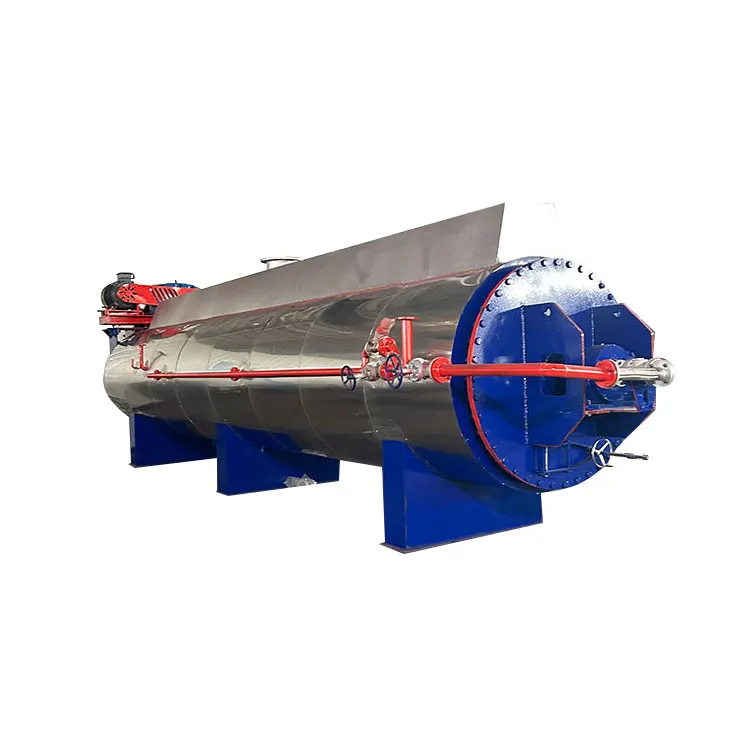
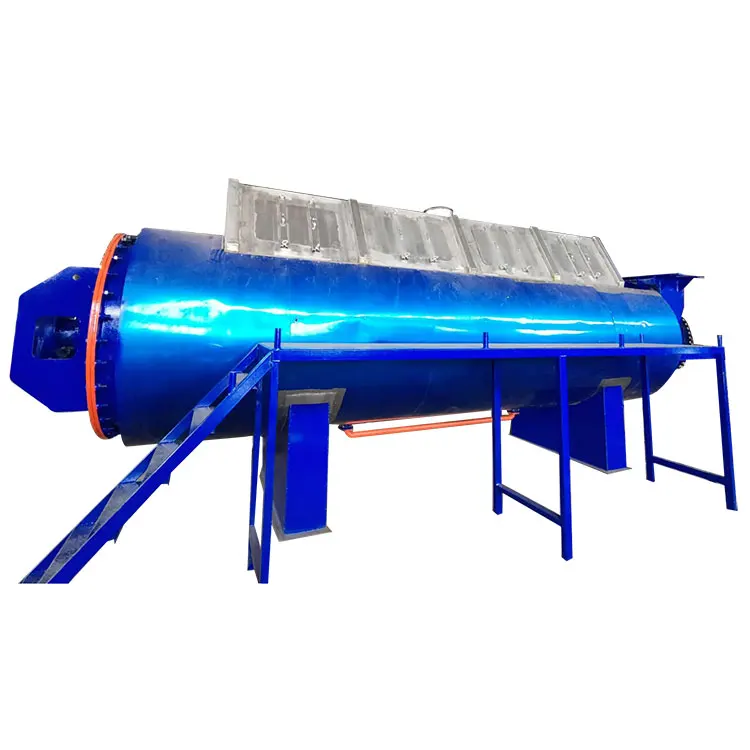
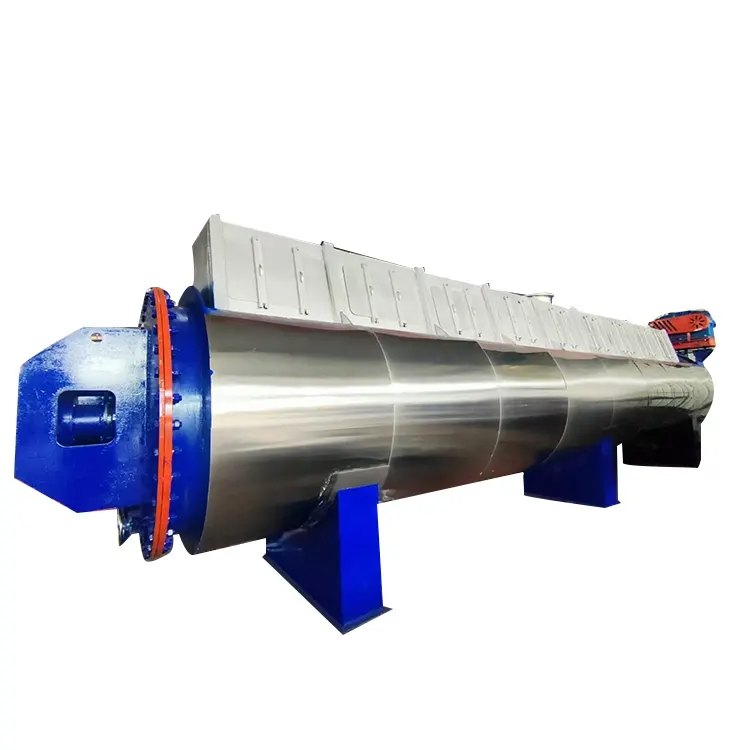
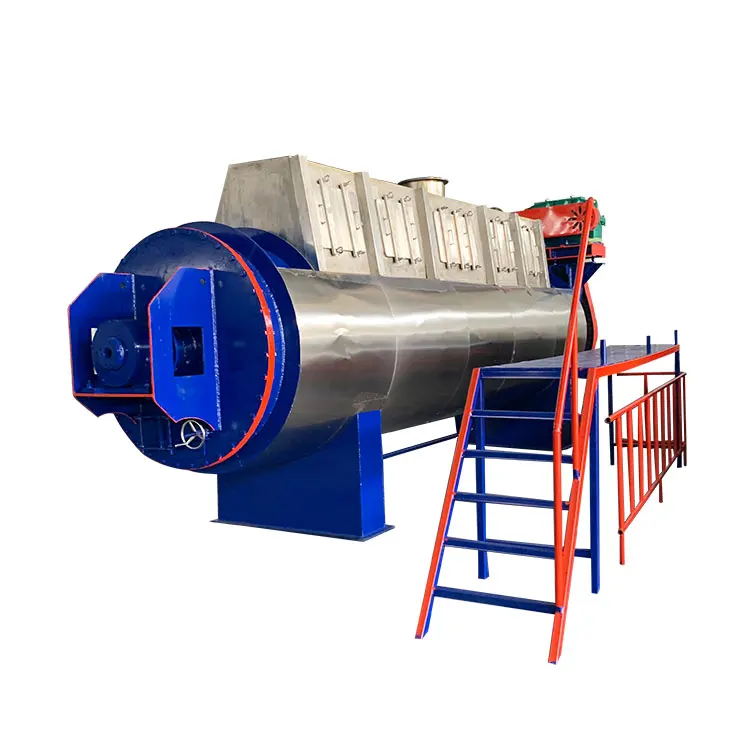
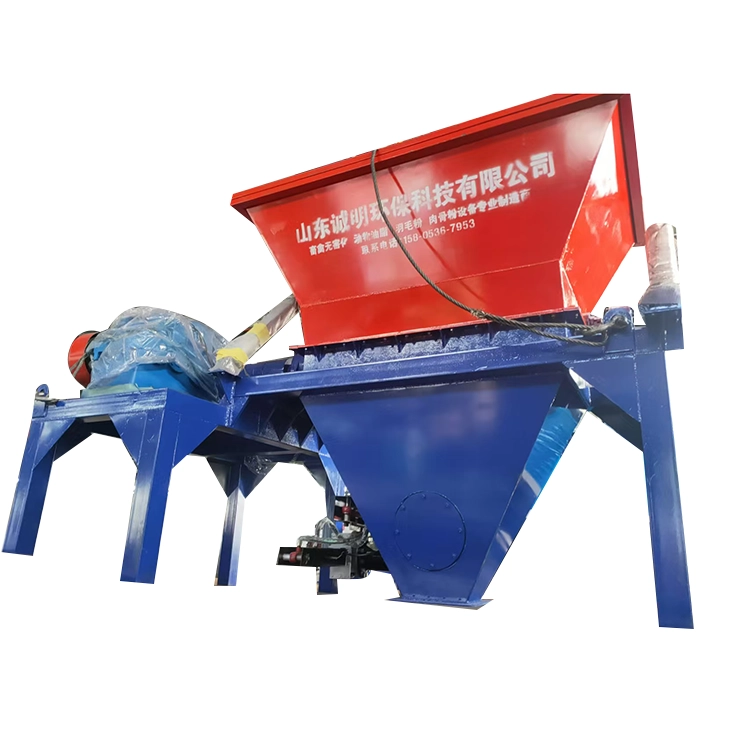
An Animal Carcass Crusher is an industrial machine designed to mechanically crush and reduce the size of animal carcasses. By breaking down large biological waste into smaller, uniform particles, the crusher enables safer handling and more efficient downstream treatment.
The equipment is commonly integrated with processes such as:
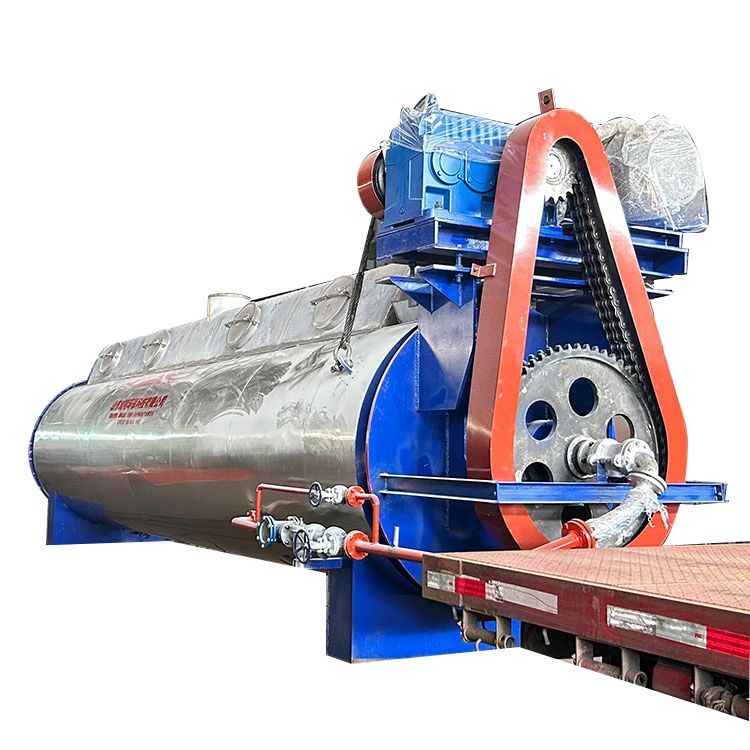
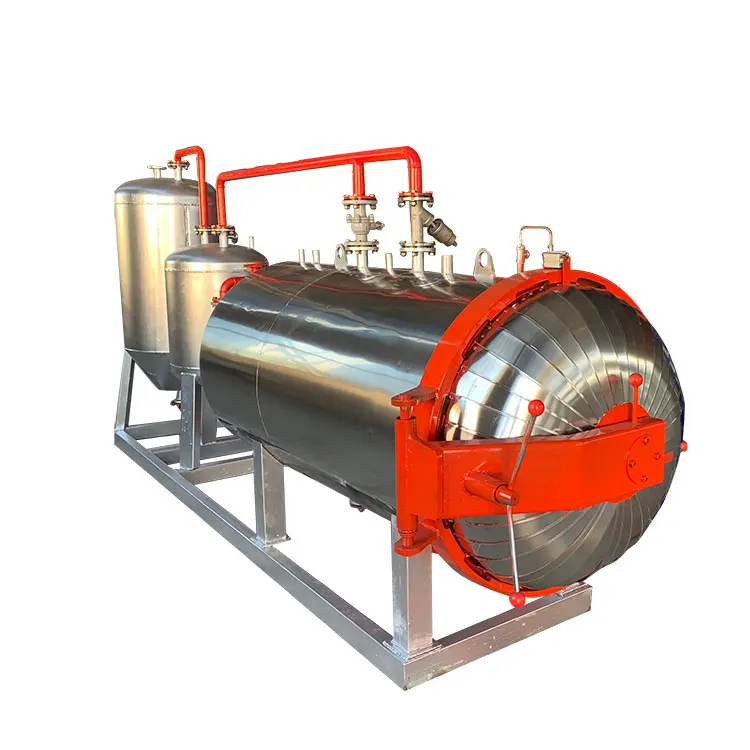
- High-temperature sterilization
- Rendering and resource recovery
- Incineration or pyrolysis
- Composting or biochemical treatment
Manufacturers such as Shandong Chengming Environmental Protection Technology Co., Ltd. focus on designing crushers that meet industrial hygiene standards while supporting automated and enclosed operation.
How an Animal Carcass Crusher Works
The working principle of an animal carcass crusher is based on controlled mechanical force applied through hardened cutting and crushing components.
- Feeding: Carcasses are loaded manually or via conveyor into the feed inlet.
- Crushing: Rotating shafts, blades, or hammers apply shear and compression to break down tissue and bone.
- Size control: Output particle size is regulated by screen plates or adjustable gaps.
- Discharge: Crushed material exits uniformly, ready for further treatment.
This controlled process significantly reduces manual handling and minimizes direct exposure to biological hazards.
Practical Benefits for End Users
Using an animal carcass crusher provides tangible operational and compliance advantages across multiple industries.
- Improved biosecurity: Faster processing reduces pathogen survival time.
- Volume reduction: Crushed material occupies less space, lowering transport and storage costs.
- Process efficiency: Uniform particle size improves sterilization and thermal treatment performance.
- Odor control: Enclosed crushing limits odor release during handling.
- Workplace safety: Reduced manual cutting and lifting lowers injury risk.
Common Application Scenarios
Animal carcass crushers are used in a wide range of professional environments where biological waste must be handled responsibly.
- Livestock farms and breeding centers
- Poultry processing plants
- Slaughterhouses and meat-processing facilities
- Veterinary hospitals and laboratories
- Municipal and regional waste treatment centers
In each case, the crusher serves as a critical pre-treatment step that supports safe and compliant waste disposal.
Typical Technical Parameters
| Parameter | Typical Range |
|---|---|
| Processing Capacity | 500 – 5000 kg/hour |
| Feed Size | Whole poultry to large livestock carcasses |
| Discharge Size | 10 – 50 mm (adjustable) |
| Drive System | Electric motor or hydraulic |
| Construction Material | Carbon steel or stainless steel |
| Operation Mode | Automatic / Semi-automatic |
How to Choose the Right Equipment
Selecting an animal carcass crusher requires careful evaluation of operational needs and regulatory conditions.
- Carcass type and volume: Equipment must match the size and daily throughput requirements.
- Integration: Ensure compatibility with sterilizers, incinerators, or rendering systems.
- Material durability: High-strength components are essential for bone processing.
- Cleaning and hygiene: Smooth surfaces and access panels simplify sanitation.
- Supplier experience: Proven manufacturers provide better technical support and customization.
Working with established suppliers such as Shandong Chengming Environmental Protection Technology Co., Ltd. helps ensure stable performance and long-term service reliability.
Operational and Maintenance Considerations
Proper operation and maintenance are essential for maintaining safety and extending equipment lifespan.
- Conduct regular blade and shaft inspections
- Clean the crushing chamber after each operating cycle
- Monitor motor load and vibration levels
- Train operators on safety procedures and emergency shutdown
Preventive maintenance reduces downtime and protects both personnel and downstream equipment.
Frequently Asked Questions
Is an animal carcass crusher suitable for diseased animals?
Yes. Crushing is often used as a pre-treatment step before high-temperature sterilization or incineration, helping reduce biological risk during handling.
Can the crusher handle bones and hard tissue?
Industrial-grade crushers are designed with reinforced blades and shafts capable of processing bones and dense tissue.
Does crushing eliminate odors completely?
While crushing alone does not neutralize odors, enclosed operation and rapid processing significantly reduce odor release compared to open handling.
How does crushing support environmental compliance?
By enabling controlled, closed-system treatment, crushing helps meet waste handling and biosecurity regulations in many jurisdictions.
Conclusion
An Animal Carcass Crusher plays a vital role in modern biological waste management by improving safety, efficiency, and environmental protection. Through effective size reduction and process integration, it addresses critical pain points faced by farms, processors, and waste treatment operators. For organizations seeking reliable and scalable solutions, partnering with experienced manufacturers such as Shandong Chengming Environmental Protection Technology Co., Ltd. ensures both operational stability and long-term value.
To learn more about customized animal carcass crushing solutions and how they can be integrated into your waste treatment system, contact us today and speak with a professional technical team ready to support your project.
Related News
- How Does Dead Chicken Harmless Treatment Equipment Protect Farms and the Environment?
- What Is Dead Sheep Harmless Treatment Equipment and Why Is It Important
- What is Dead Sheep Harmless Treatment Equipment and Why is It Essential
- How Farm Harmless Treatment Equipment Improves Waste Management and Environmental Protection?
- How Does a Harmless Treatment Dryer Improve Waste Treatment Efficiency?
- How Does an Animal Carcass Crusher Improve Safe and Efficient Disposal?
Leave me a message