
How Does Feather Meal Equipment Improve Protein Resource Utilization?
Feather Meal Equipment represents a specialized industrial solution designed to convert poultry feather waste into high-value protein meal that can be used in animal feed or organic fertilizer. With increasing pressure on livestock feed supply chains and waste disposal challenges, businesses and feed producers need clear insights into the functional principles, configuration options, and common operational challenges of this type of equipment. This article delivers a structured, in-depth understanding of how Feather Meal Equipment functions, key system components, performance parameters, practical selection considerations, and detailed answers to frequently asked questions from end users and technical buyers.

- 1. Introduction to Feather Meal Equipment
- 2. Core Components and Operational Flow
- 3. Key Technical Specifications and Output Metrics
- 4. Practical Use Cases and Market Relevance
- 5. Operational Challenges and Best Practices
- 6. Frequently Asked Questions
- 7. Conclusion and Contact Information
1. Introduction to Feather Meal Equipment
Feather Meal Equipment refers to the set of industrial machines and technologies that process poultry feathers—normally a waste by-product of slaughterhouses—into a nutrient-rich powder known as feather meal. Poultry feathers consist mainly of keratin, a fibrous protein that is inherently difficult to break down. Through a controlled process combining steam hydrolysis, drying, and grinding, this equipment dismantles the keratin structure and produces an intermediary product with higher digestibility for animal nutrition and broader agricultural value. :contentReference[oaicite:0]{index=0}
By turning low-value poultry waste into a producible resource, Feather Meal Equipment plays an essential role in optimizing supply inputs for livestock feed and in supporting resource-efficient agricultural practices. This creates value while reducing the environmental footprint associated with conventional waste disposal. :contentReference[oaicite:1]{index=1}
2. Core Components and Operational Flow
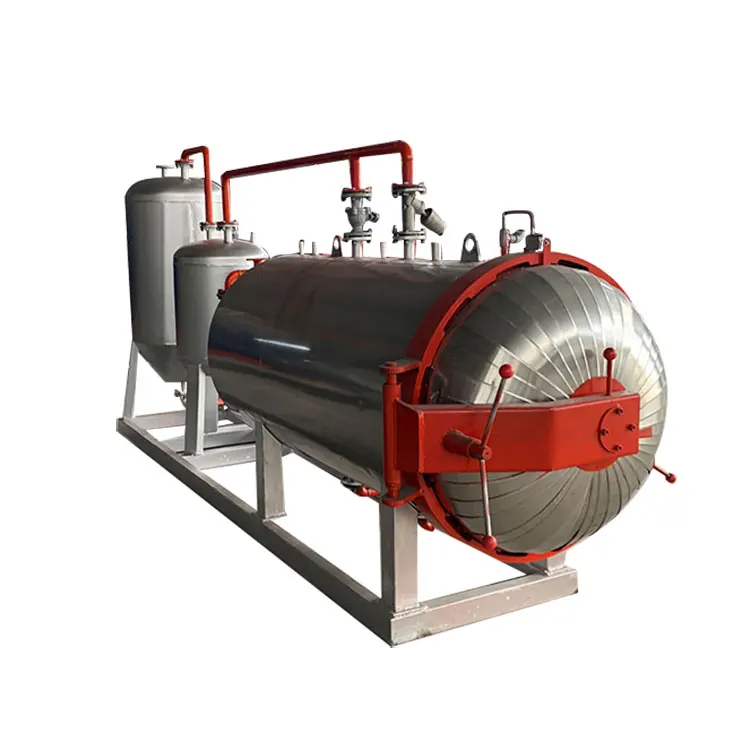
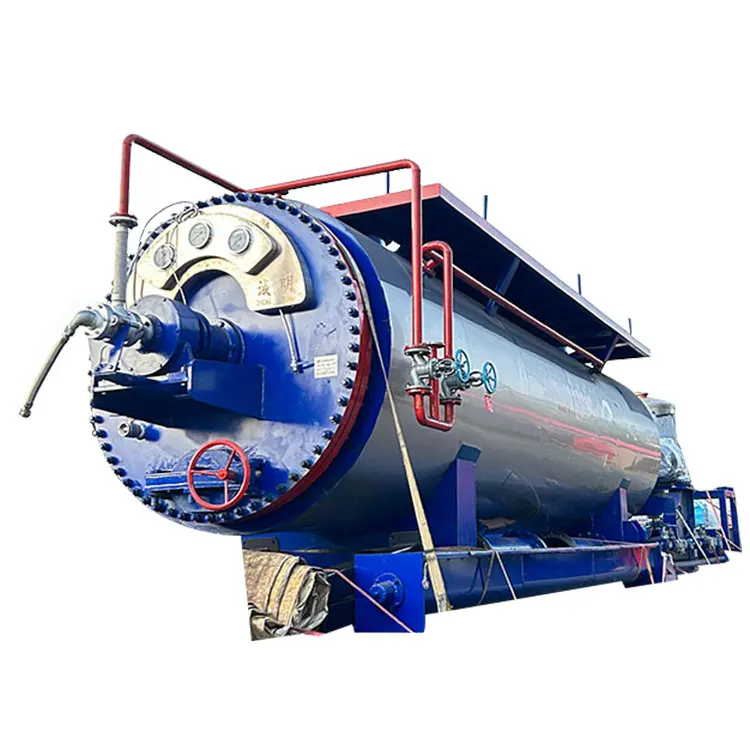
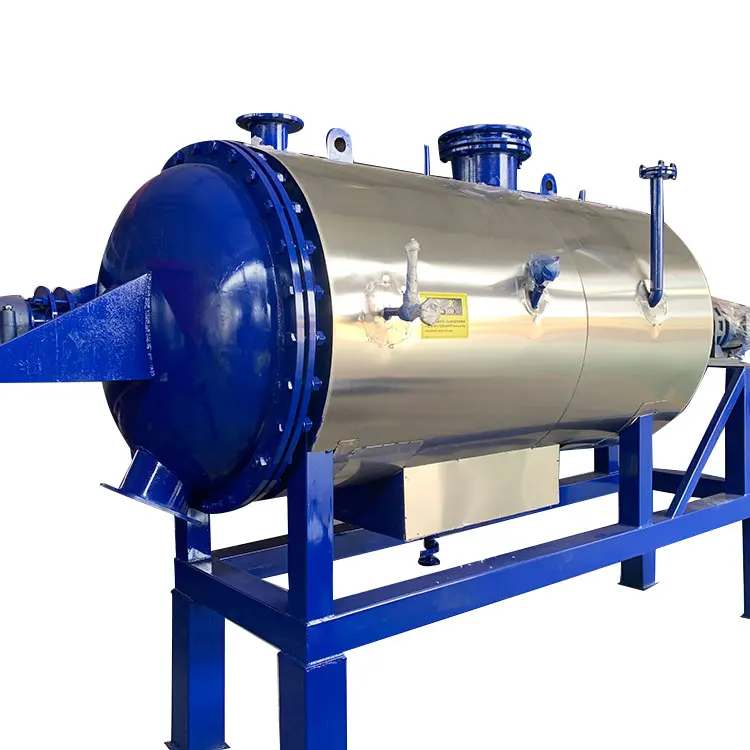
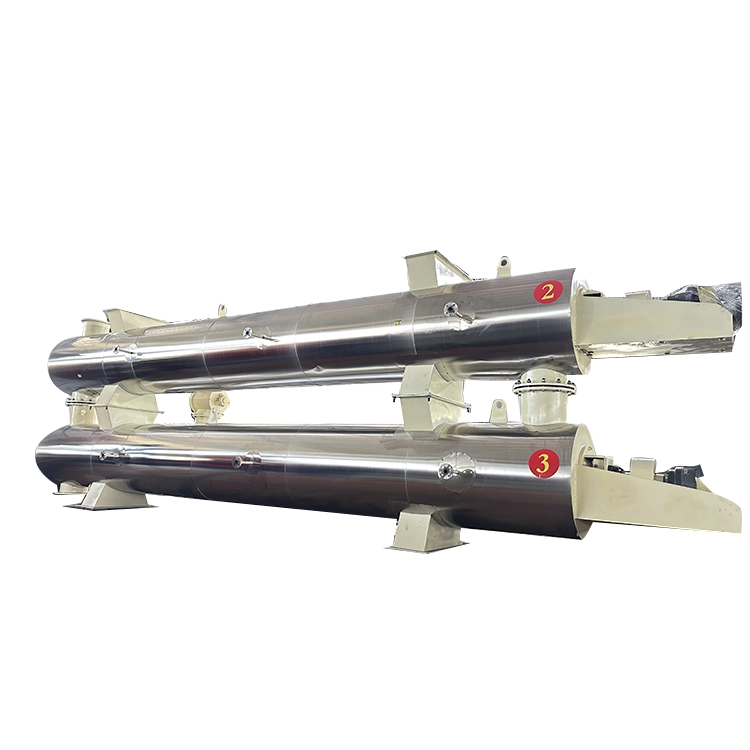
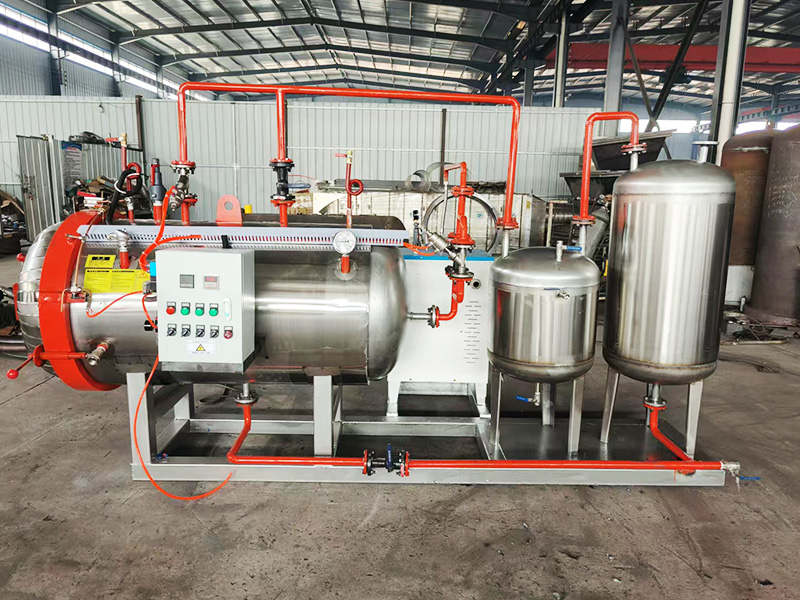
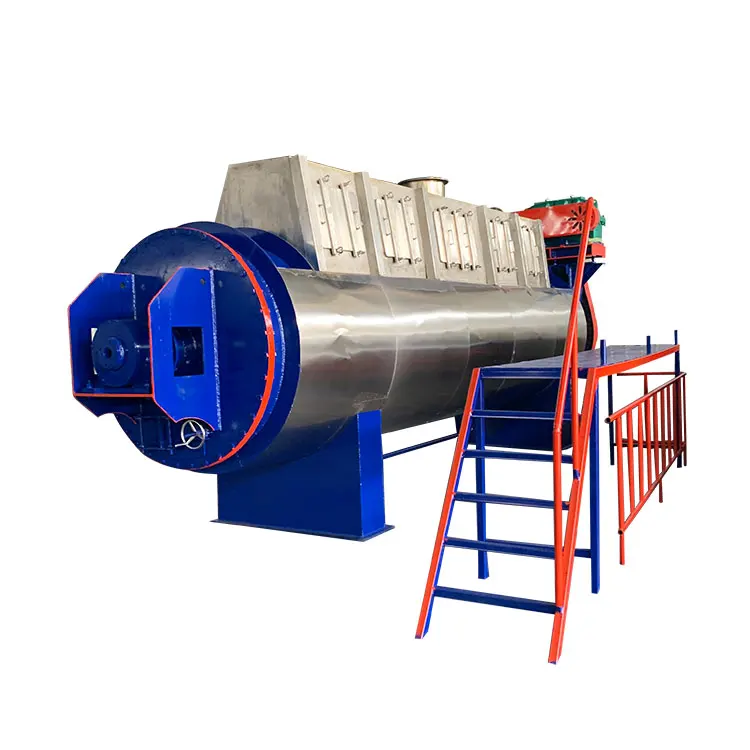
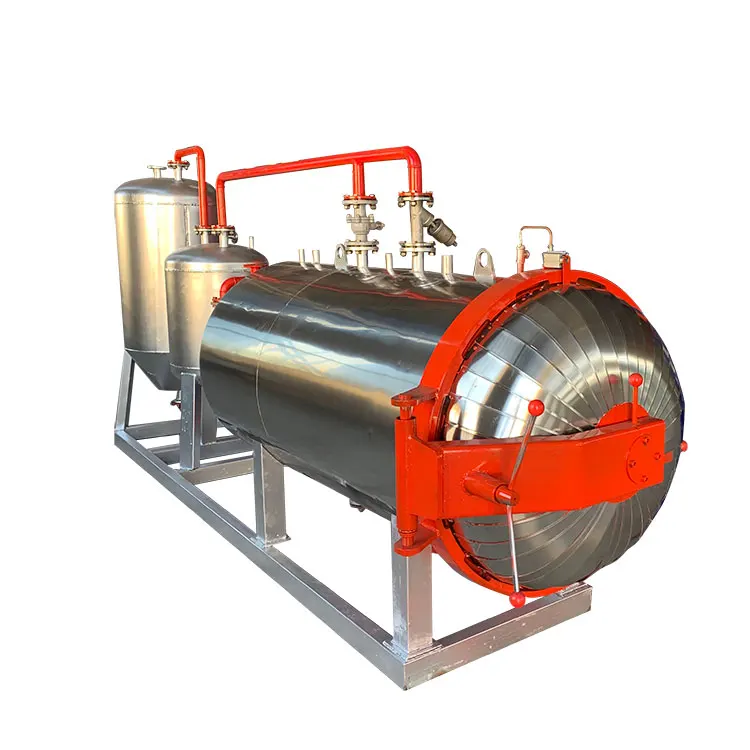
A complete Feather Meal Equipment line integrates multiple subsystems, each designed for a specific functional stage in the feather meal production process. :contentReference[oaicite:2]{index=2}
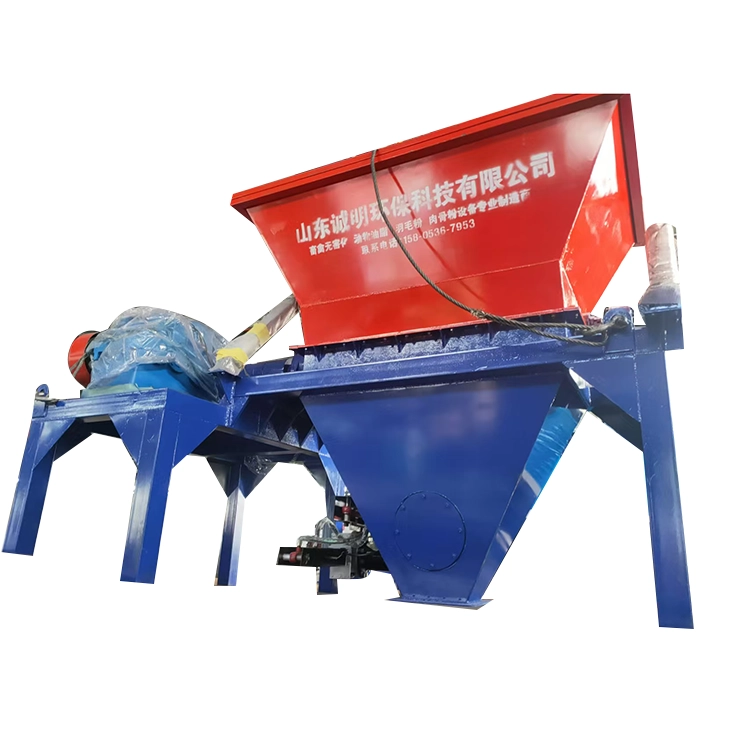
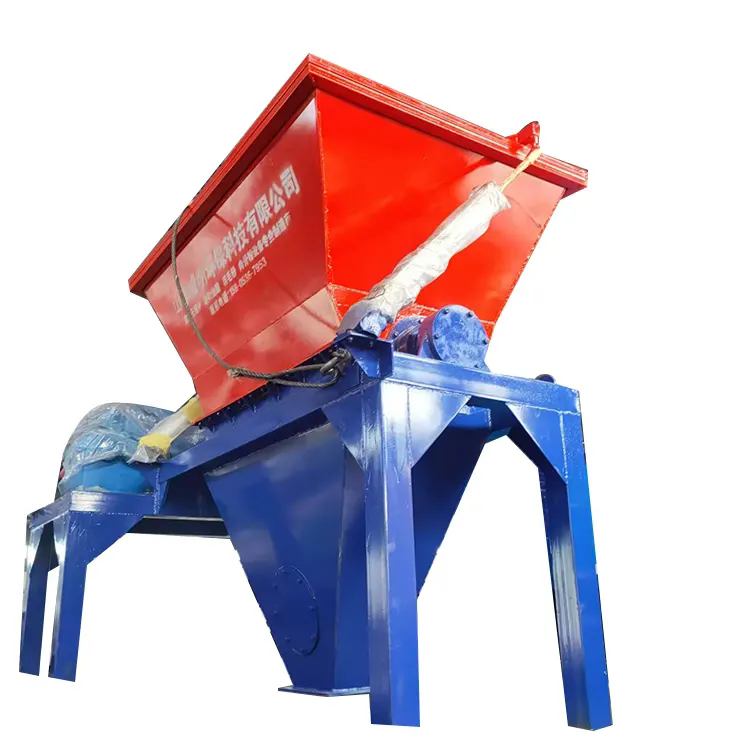
- Pre-processing system: Feather cleaning, dewatering, and initial size reduction.
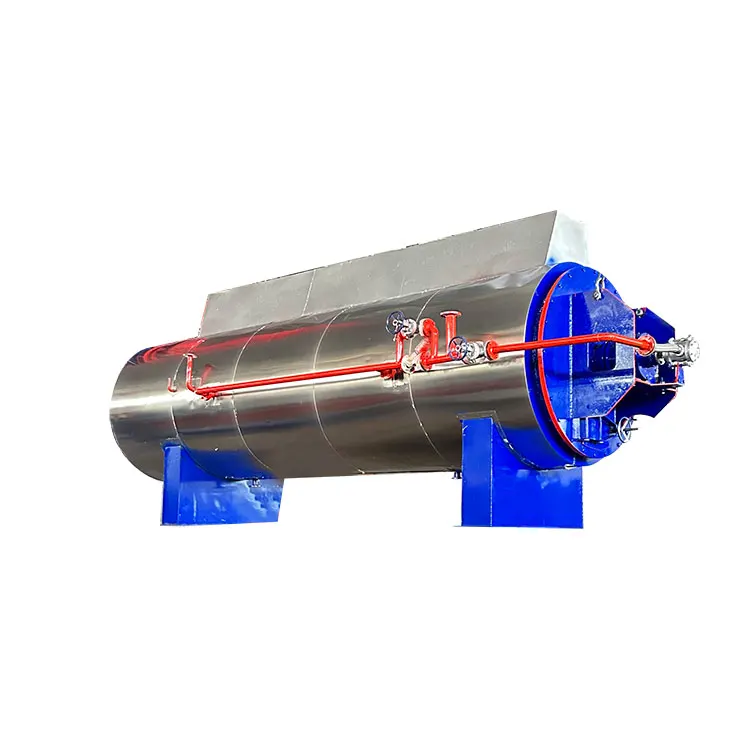
- Hydrolysis chamber: Utilizes high-temperature steam and pressure to break down feather keratin and improve digestibility.
- Drying module: Removes moisture from hydrolyzed feathers to achieve stable storage and longer shelf life of the finished product.
- Grinding unit: Converts dried feathers into a fine, consistent powder suitable for blending with other feed ingredients.
- Cooling and packaging: Stabilizes final output and facilitates logistics handling for customers.
- Control system: Monitors temperature, pressure, and processing times to ensure operational safety and product consistency.
Well-engineered Feather Meal Equipment provides automation options for each stage, allowing for continuous operation and minimized manual intervention. :contentReference[oaicite:3]{index=3}
3. Key Technical Specifications and Output Metrics
Understanding performance indicators and operational ranges helps buyers assess equipment suitability for their production needs. The following table highlights typical specifications provided by leading manufacturers: :contentReference[oaicite:4]{index=4}
| Parameter | Typical Value or Range |
|---|---|
| Hydrolysis Temperature | 120°C–150°C |
| Processing Capacity | 1–5 tons/day (varies by model) |
| Protein Digestibility | 70%–80% depending on process |
| Moisture in Final Product | <8% |
| Power Consumption | Depends on installed capacity |
These ranges reflect common industrial configurations. Buyers should match capacity and performance needs to their scale of production and operational goals.
4. Practical Use Cases and Market Relevance
Feather Meal Equipment has demonstrated practical applications in several production and supply scenarios, including: :contentReference[oaicite:5]{index=5}
- Commercial feed mills: Used to blend feather meal into animal feed formulas to raise protein content without reliance on traditional sources like soybean meal.
- Poultry slaughterhouses: Reduces waste disposal costs while creating an additional revenue stream.
- Fertilizer producers: Feather meal’s nitrogen content makes it a viable organic soil amendment.
- Large-scale farms: Integrates into self-sustaining feed supply systems on livestock and poultry farms.
By aligning equipment capabilities with real market needs, buyers can optimize ROI and strengthen long-term supply chain resilience.
5. Operational Challenges and Best Practices
Despite clear benefits, deploying Feather Meal Equipment effectively requires attention to common pain points that customers often encounter: :contentReference[oaicite:6]{index=6}
- Uniformity of raw feather input: Feathers vary in size and moisture content; consistent pre-processing ensures smoother downstream operation.
- Hydrolysis control: Precise regulation of temperature and pressure is crucial to break keratin without degrading protein quality.
- Energy efficiency: Integrating heat recovery and steam recycling systems can significantly reduce operational costs.
- Maintenance access: Designed for easy access to wear components such as drying ducts and grinder blades.
Adopting best practice workflows and scheduled maintenance can substantially extend equipment service life and enhance production consistency.
6. Frequently Asked Questions
Q: What distinguishes Feather Meal Equipment from conventional feed production machinery?
A: Feather Meal Equipment specifically addresses the unique challenge of processing keratin-rich feather materials by applying steam hydrolysis and controlled drying to create a digestible protein product, whereas conventional feed production machinery typically handles more readily ground cereal or plant-based materials.
Q: Is the feather meal output safe and suitable for animal nutrition?
A: Yes—if processed under correct temperature and pressure conditions, the resulting feather meal is high in bioavailable protein and suitable for blending into animal feeds for poultry, fish, and livestock.
Q: How does equipment scale affect operational costs?
A: Larger throughput models generally benefit from lower per-unit energy and labor costs, but buyers should balance throughput with market demand to avoid over-investment in capacity beyond current processing needs.
Q: Can Feather Meal Equipment be integrated with existing feed production lines?
A: Many modern solutions allow modular integration, enabling feather processing to feed directly into broader feed compounding systems or packaging lines.
7. Conclusion and Contact Information
Feather Meal Equipment stands as a practical solution for livestock feed producers and poultry processors seeking to convert waste into value-added protein ingredients. With clear understanding of operational mechanics, performance benchmarks, and real-world challenges, businesses can leverage this technology to improve resource utilization, reduce waste burdens, and enhance feed product quality.
Shandong Chengming, a trusted manufacturer of feather meal processing lines, supports customers with tailored system configurations, robust machines, and after-sales technical support. Whether establishing a new production line or upgrading an existing setup, prospective buyers are encouraged to contact us to explore customized system solutions and technical consultation.
Related News
- How Does Dead Chicken Harmless Treatment Equipment Protect Farms and the Environment?
- What Is Dead Sheep Harmless Treatment Equipment and Why Is It Important
- What is Dead Sheep Harmless Treatment Equipment and Why is It Essential
- How Farm Harmless Treatment Equipment Improves Waste Management and Environmental Protection?
- How Does a Harmless Treatment Dryer Improve Waste Treatment Efficiency?
- How Does an Animal Carcass Crusher Improve Safe and Efficient Disposal?
Leave me a message