
How Does Meat Bone Meal Equipment Improve Protein Recycling Efficiency?
Article Summary
Meat Bone Meal Equipment plays a critical role in converting animal by-products into high-value protein and mineral resources. Widely used in rendering plants, feed processing facilities, and waste recycling operations, this equipment helps solve challenges related to hygiene control, output consistency, energy efficiency, and regulatory compliance. This article provides a comprehensive explanation of how Meat Bone Meal Equipment works, what problems it addresses for operators, and how to choose a reliable system for long-term production stability.

Table of Contents
- Understanding Meat Bone Meal Equipment
- Common Industry Pain Points
- Processing Workflow Explained
- Key Equipment Components
- Typical Technical Parameters
- How to Select the Right System
- Application Scenarios
- Frequently Asked Questions
- Conclusion and Contact Information
Understanding Meat Bone Meal Equipment
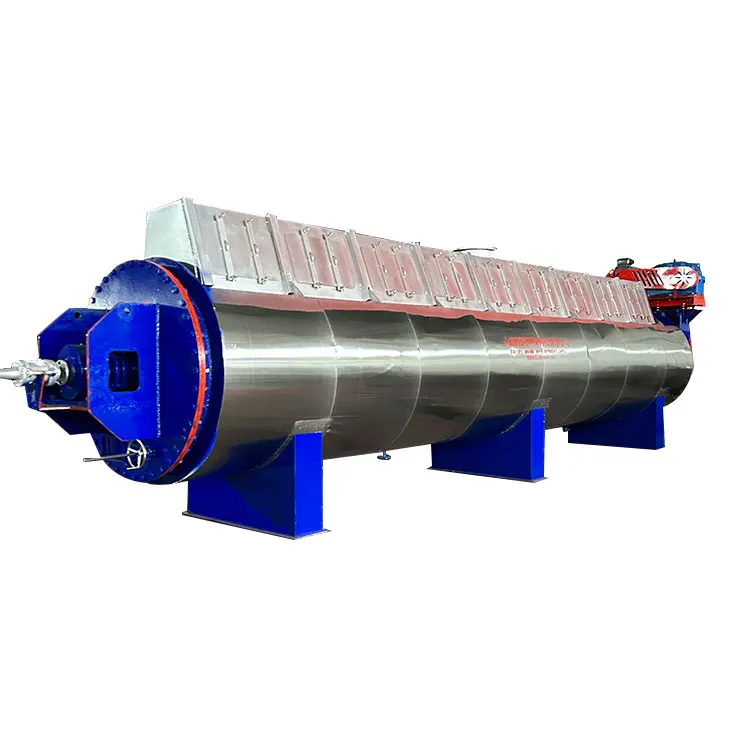
Meat Bone Meal Equipment is designed to process animal residues such as bones, meat trimmings, and offal into stable, pathogen-controlled meal products. The final output is commonly used as a protein supplement or mineral additive in animal feed, fertilizers, and certain industrial applications.
By applying controlled heat treatment, moisture reduction, and mechanical crushing, this equipment ensures that raw materials are transformed into uniform, shelf-stable products while meeting hygiene and safety requirements.
Common Industry Pain Points
Operators in the rendering and animal by-product processing sector often face recurring challenges that directly impact productivity and compliance:
- Inconsistent output quality caused by uneven heating or moisture control
- Odor leakage affecting surrounding environments
- High energy consumption during drying and sterilization stages
- Equipment corrosion due to high-fat and high-moisture materials
- Difficulty meeting hygiene and biosecurity standards
Modern Meat Bone Meal Equipment addresses these issues through integrated process control, sealed structures, and optimized thermal efficiency.
Processing Workflow Explained
A standard Meat Bone Meal production line follows a structured and repeatable workflow to ensure stable output quality:
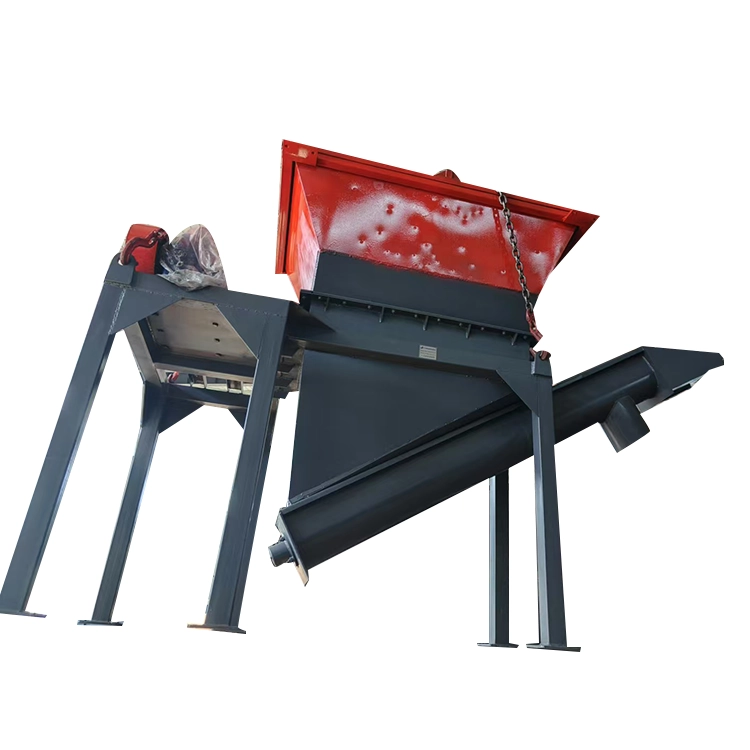
- Raw material feeding and size reduction
- High-temperature sterilization and cooking
- Oil separation and moisture evaporation
- Drying and secondary crushing
- Final cooling and storage
Each stage is designed to work in coordination, minimizing manual intervention and reducing contamination risks.
Key Equipment Components
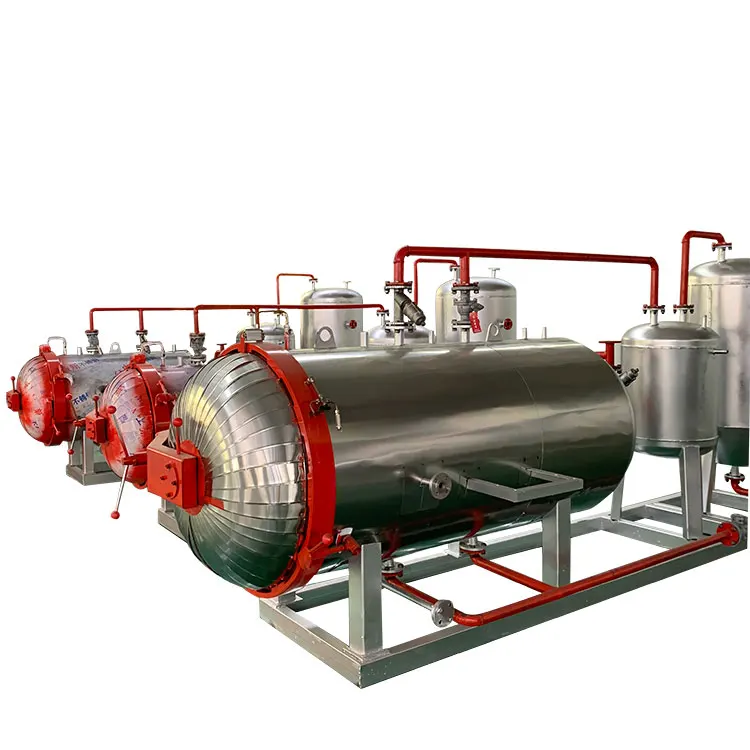
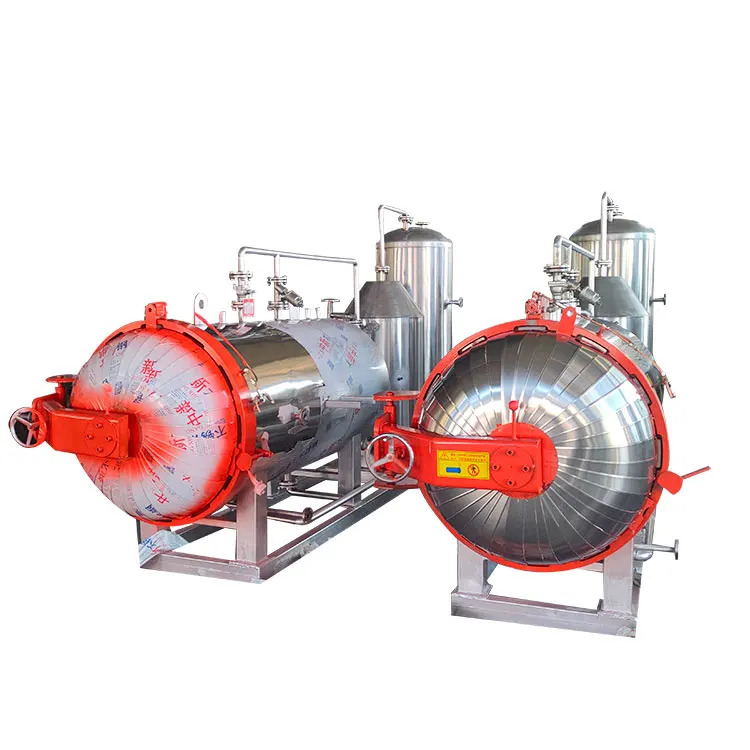
A complete Meat Bone Meal Equipment system typically includes the following core units:
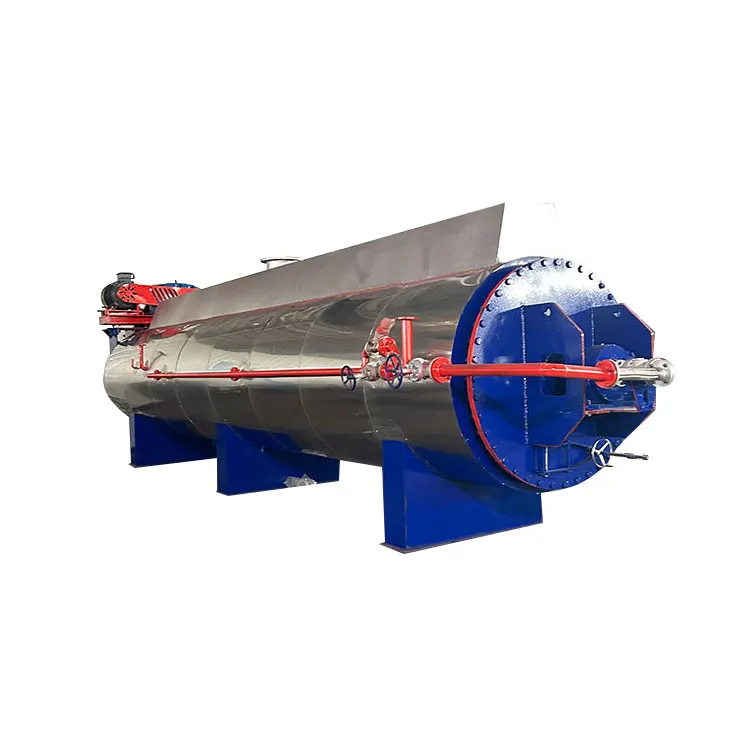
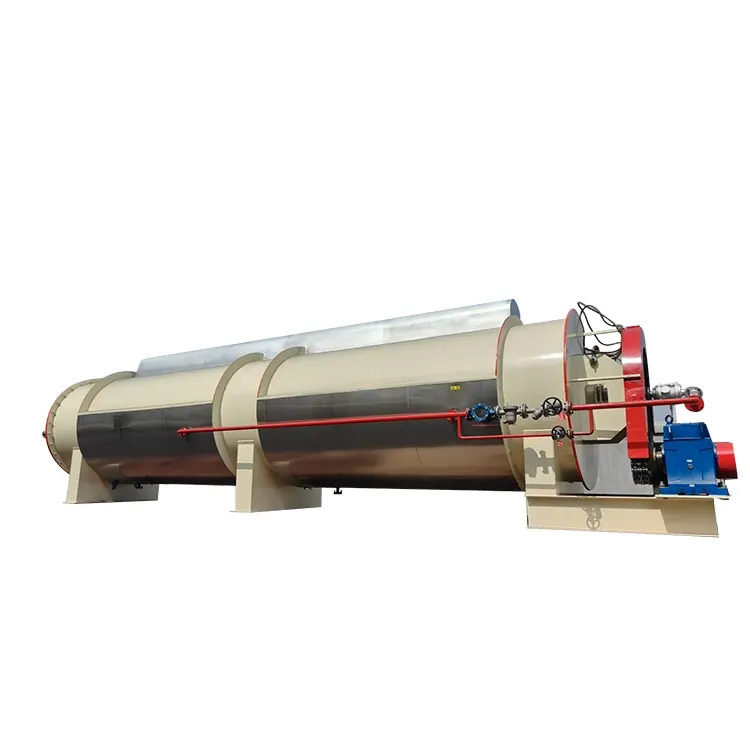
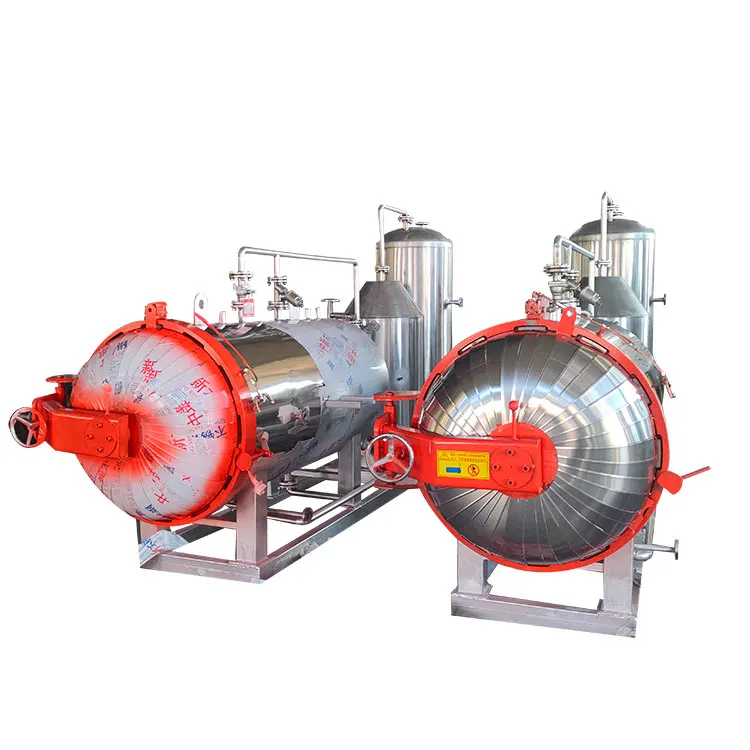
- Continuous cooker or batch sterilizer
- Screw press or oil extraction unit
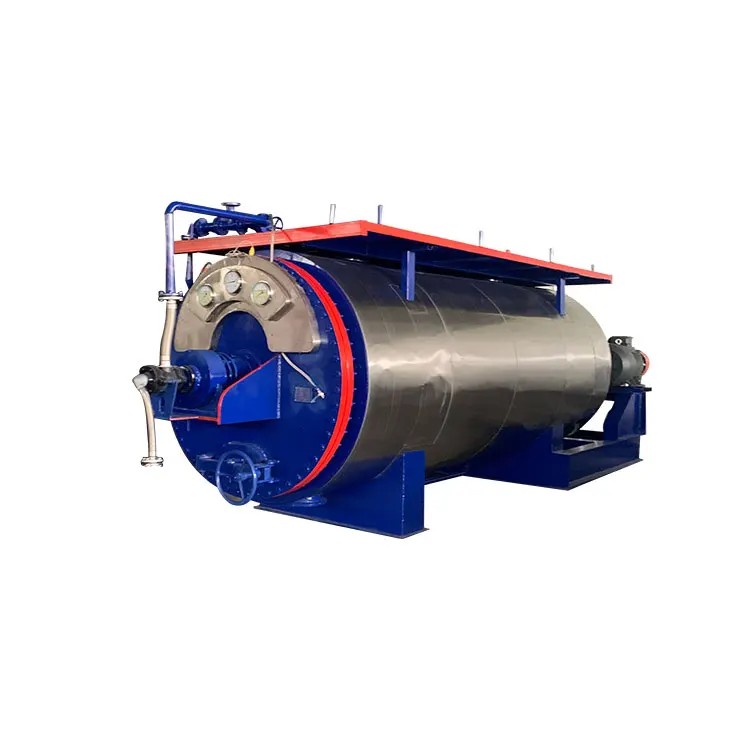
- Dryer with temperature control system
- Hammer mill or crusher
- Dust collection and odor control system
The durability and configuration of these components directly affect operational lifespan and maintenance costs.
Typical Technical Parameters
| Parameter | Typical Range |
|---|---|
| Processing Capacity | 1–20 tons per hour |
| Sterilization Temperature | 130–150°C |
| Moisture Content After Drying | Below 10% |
| Main Material | Carbon steel or stainless steel |
| Automation Level | Semi-automatic to fully automatic |
How to Select the Right System
Choosing suitable Meat Bone Meal Equipment depends on operational goals and site conditions. Key considerations include:
- Daily processing volume and scalability requirements
- Local environmental and hygiene regulations
- Energy availability and cost control objectives
- Ease of cleaning and maintenance access
A well-matched system reduces downtime and ensures consistent production output over extended operating cycles.
Application Scenarios
Meat Bone Meal Equipment is widely applied across multiple sectors:
- Animal feed manufacturing plants
- Slaughterhouse by-product treatment facilities
- Organic fertilizer production lines
- Centralized waste recycling centers
Its flexibility allows operators to adapt processing parameters based on raw material composition and final product requirements.
Frequently Asked Questions
Q1: Is Meat Bone Meal Equipment suitable for continuous operation?
Yes. Most modern systems are designed for long-duration continuous processing with stable thermal and mechanical performance.
Q2: How is odor managed during production?
Sealed structures combined with gas collection and deodorization units help control odor emissions effectively.
Q3: Can the equipment handle mixed animal by-products?
Properly designed systems can process mixed raw materials, including bones, meat scraps, and fat, with consistent output quality.
Conclusion and Contact Information
Meat Bone Meal Equipment provides a practical solution for transforming animal by-products into valuable resources while addressing hygiene, efficiency, and environmental concerns. A reliable system enhances production stability, reduces operational risks, and supports sustainable material reuse.
Shandong Chengming offers professionally engineered Meat Bone Meal Equipment designed for demanding industrial conditions. To explore customized solutions or receive detailed technical guidance, contact us today and take the next step toward efficient and compliant by-product processing.
Related News
- How Does Dead Chicken Harmless Treatment Equipment Protect Farms and the Environment?
- What Is Dead Sheep Harmless Treatment Equipment and Why Is It Important
- What is Dead Sheep Harmless Treatment Equipment and Why is It Essential
- How Farm Harmless Treatment Equipment Improves Waste Management and Environmental Protection?
- How Does a Harmless Treatment Dryer Improve Waste Treatment Efficiency?
- How Does an Animal Carcass Crusher Improve Safe and Efficient Disposal?
Leave me a message