
How Does Animal Oil Refining Equipment Improve Processing Efficiency?
Article Summary
Animal oil refining equipment is a critical component in transforming raw animal fats into high-value, usable products for food, industrial, pharmaceutical, and bioenergy applications. This comprehensive guide explains how animal oil refining equipment works, the key processing stages involved, and how properly engineered systems help manufacturers overcome common challenges such as odor control, unstable quality, high energy consumption, and regulatory compliance.

Outline
- Understanding Animal Oil Refining Equipment
- Key Customer Challenges in Animal Oil Processing
- Main Processing Stages in Animal Oil Refining
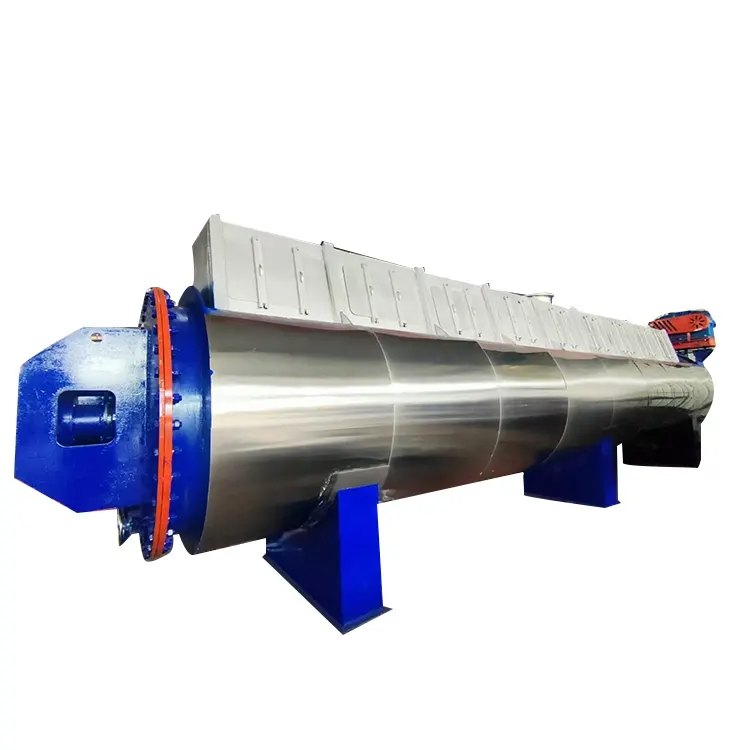
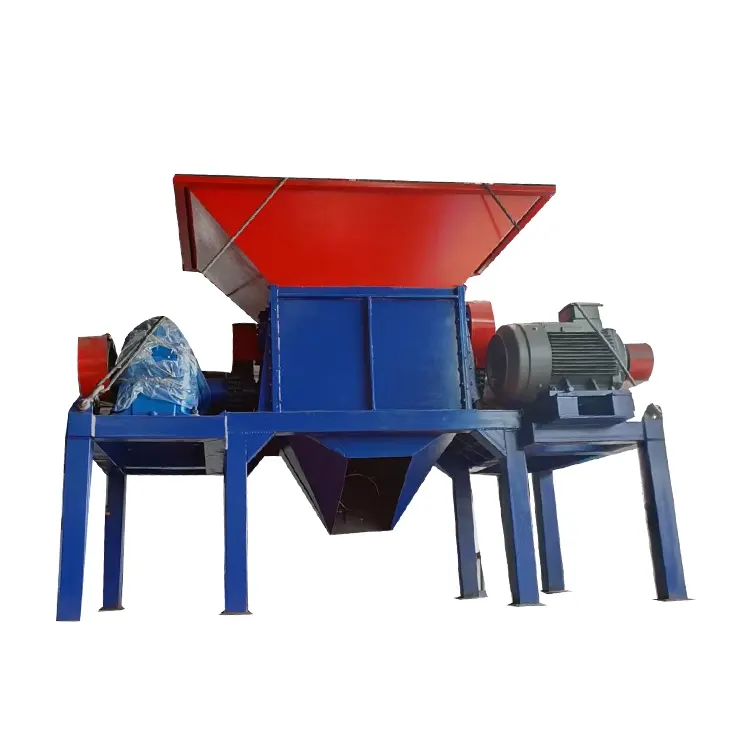
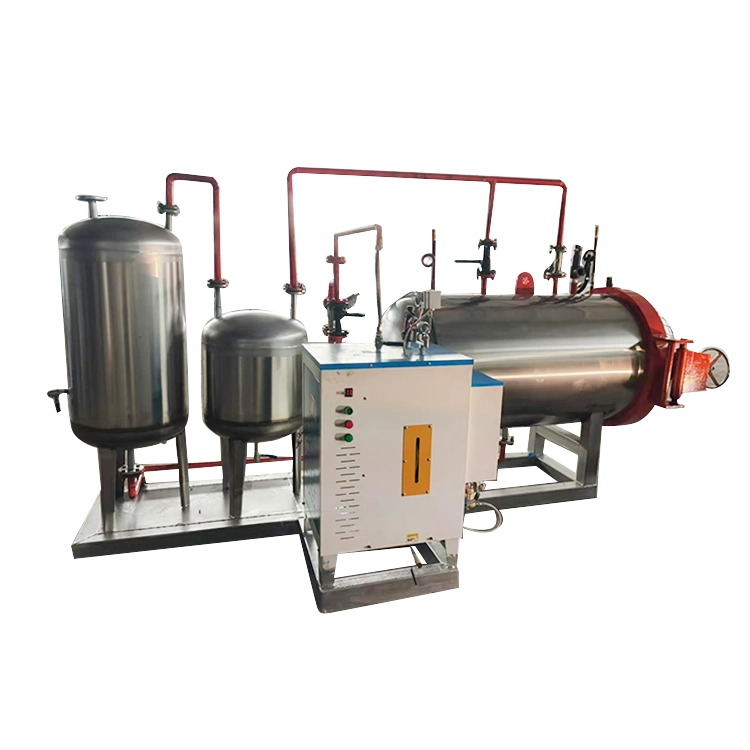
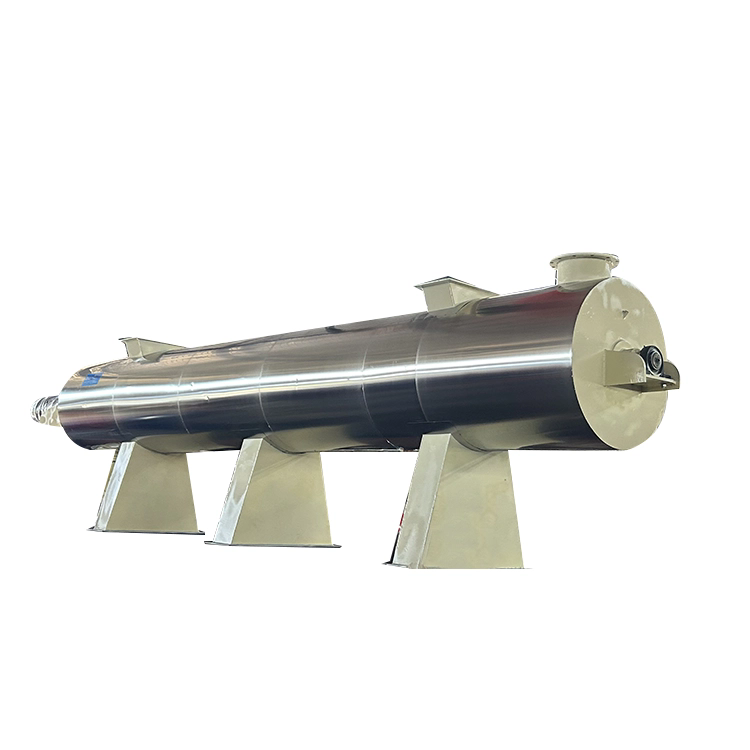
- Core Components of Animal Oil Refining Equipment
- How to Select Suitable Refining Equipment
- Performance and Efficiency Optimization
- Application Industries
- Equipment Comparison Table
- Frequently Asked Questions
- Conclusion and Contact Us
Understanding Animal Oil Refining Equipment
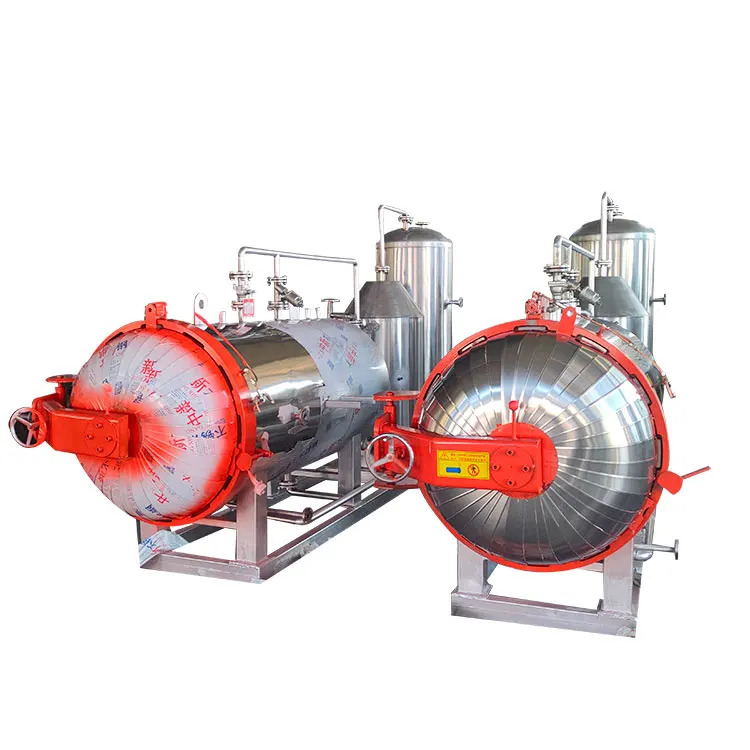
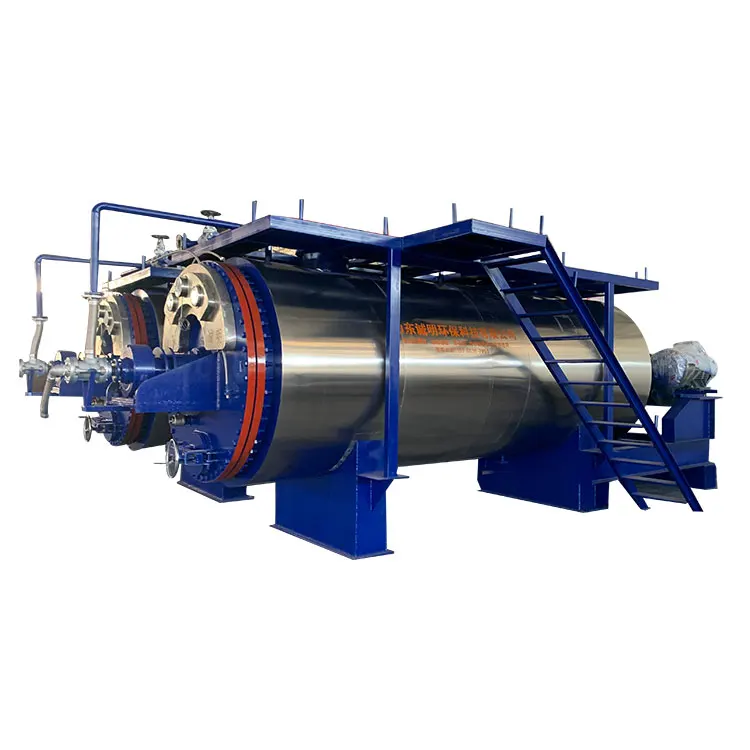
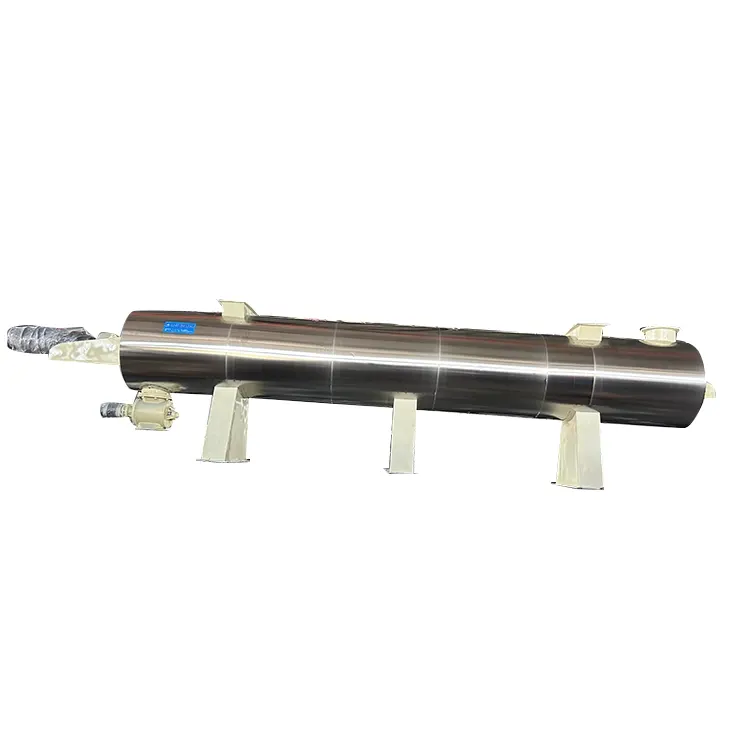
Animal oil refining equipment refers to an integrated system of mechanical, thermal, and chemical processing units designed to purify crude animal fats. These fats may originate from rendering plants, slaughterhouses, or food processing facilities. Raw animal oil typically contains impurities such as free fatty acids, moisture, phospholipids, pigments, and odor-causing compounds.
Through controlled refining processes, animal oil refining equipment removes these impurities and improves oil stability, appearance, and usability. Chengming develops animal oil refining equipment that supports continuous operation while maintaining strict quality standards.
Key Customer Challenges in Animal Oil Processing
Many producers face persistent operational and quality issues when refining animal oils. Addressing these challenges is essential for improving profitability and product consistency.
- Strong odors during processing and storage
- High free fatty acid content affecting oil stability
- Inconsistent product quality between batches
- Excessive energy consumption
- Equipment corrosion and maintenance difficulties
- Difficulty meeting environmental and safety requirements
These problems often arise from outdated equipment design, insufficient process control, or improper material selection.
Main Processing Stages in Animal Oil Refining
Animal oil refining equipment is designed to support multiple refining stages, each targeting specific impurities.
- Degumming – Removes phospholipids and suspended solids
- Neutralization – Reduces free fatty acids through chemical treatment
- Bleaching – Eliminates pigments and trace metals
- Deodorization – Removes volatile odor compounds under vacuum
Each stage must be precisely controlled to ensure optimal oil quality without unnecessary loss or degradation.
Core Components of Animal Oil Refining Equipment
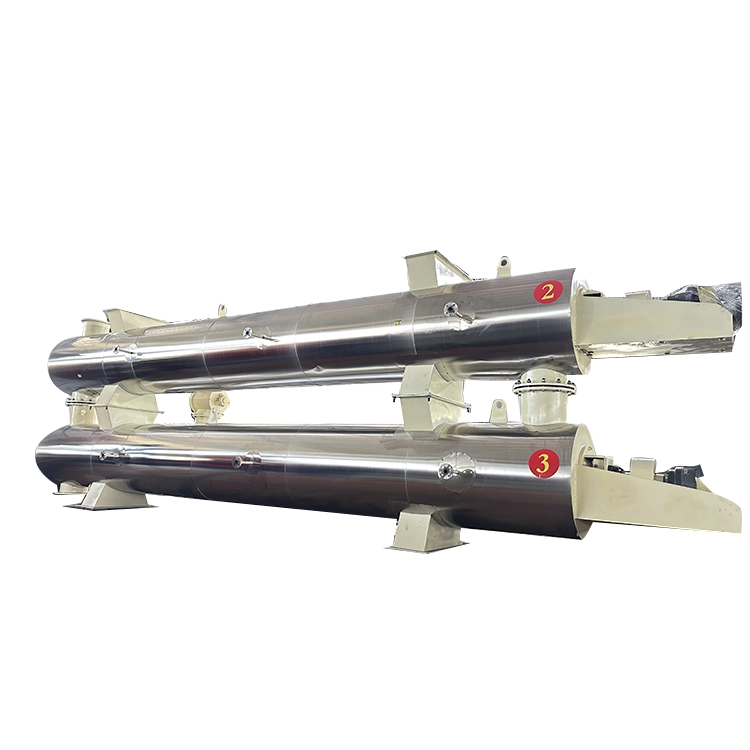
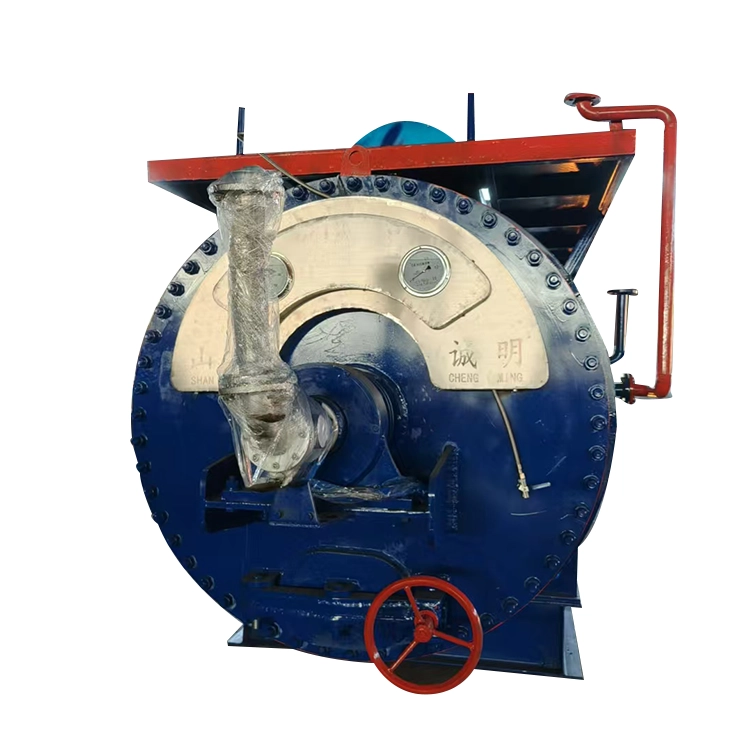
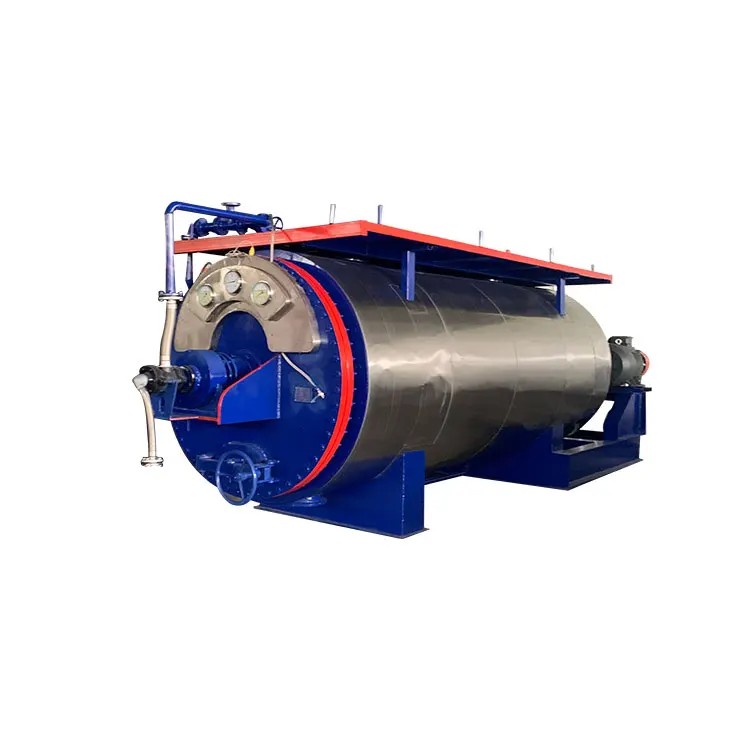
A complete animal oil refining system consists of several key components working together.
- Crude oil heating and pre-treatment units
- Reaction tanks with controlled agitation
- High-efficiency separators and filters
- Vacuum deodorization towers
- Heat recovery and energy-saving systems
- Automated control and monitoring systems
Chengming designs animal oil refining equipment with modular configurations, allowing flexibility for different capacities and processing goals.
How to Select Suitable Refining Equipment
Choosing the right animal oil refining equipment requires a clear understanding of production requirements and end-use applications.
- Daily processing capacity
- Type and quality of raw animal oil
- Desired final oil specifications
- Energy efficiency targets
- Available plant space and layout
Professional equipment selection helps avoid overinvestment while ensuring stable long-term operation.
Performance and Efficiency Optimization
Optimized animal oil refining equipment delivers measurable operational benefits. Advanced process integration reduces energy consumption, while automated controls minimize human error. Proper material selection improves corrosion resistance and extends equipment lifespan.
Chengming focuses on process optimization and system reliability, enabling customers to maintain consistent oil quality with reduced operating costs.
Application Industries
Refined animal oil is widely used across multiple industries, supported by specialized refining equipment.
- Food processing and edible oil production
- Soap and detergent manufacturing
- Oleochemical and lubricant production
- Animal feed additives
- Biodiesel and renewable energy
Equipment Comparison Table
| Equipment Type | Processing Capacity | Key Advantage | Typical Use |
|---|---|---|---|
| Batch Refining System | Small to Medium | Flexible operation | Specialty oil production |
| Semi-Continuous System | Medium | Balanced efficiency | Regional processing plants |
| Continuous Refining Line | Large | High efficiency | Industrial-scale production |
Frequently Asked Questions
What determines the final quality of refined animal oil?
Oil quality depends on raw material condition, refining process control, and equipment design.
Can animal oil refining equipment handle different oil types?
Yes. Properly designed systems can process various animal fats with parameter adjustments.
How is odor controlled during refining?
Vacuum deodorization and effective condensation systems remove volatile odor compounds.
Is automation necessary for animal oil refining?
Automation improves consistency, safety, and operational efficiency, especially in large-scale plants.
Conclusion and Contact Us
Animal oil refining equipment plays a decisive role in converting raw animal fats into stable, valuable products. By investing in well-designed systems and optimized processes, producers can reduce operational risks, improve product quality, and enhance overall efficiency.
Chengming provides advanced animal oil refining equipment engineered for durability, efficiency, and consistent performance. If you are planning a new refining project or upgrading an existing facility, contact us to explore tailored solutions and professional technical support for your specific processing needs.
Related News
- How Does Dead Chicken Harmless Treatment Equipment Protect Farms and the Environment?
- What Is Dead Sheep Harmless Treatment Equipment and Why Is It Important
- What is Dead Sheep Harmless Treatment Equipment and Why is It Essential
- How Farm Harmless Treatment Equipment Improves Waste Management and Environmental Protection?
- How Does a Harmless Treatment Dryer Improve Waste Treatment Efficiency?
- How Does an Animal Carcass Crusher Improve Safe and Efficient Disposal?
Leave me a message