
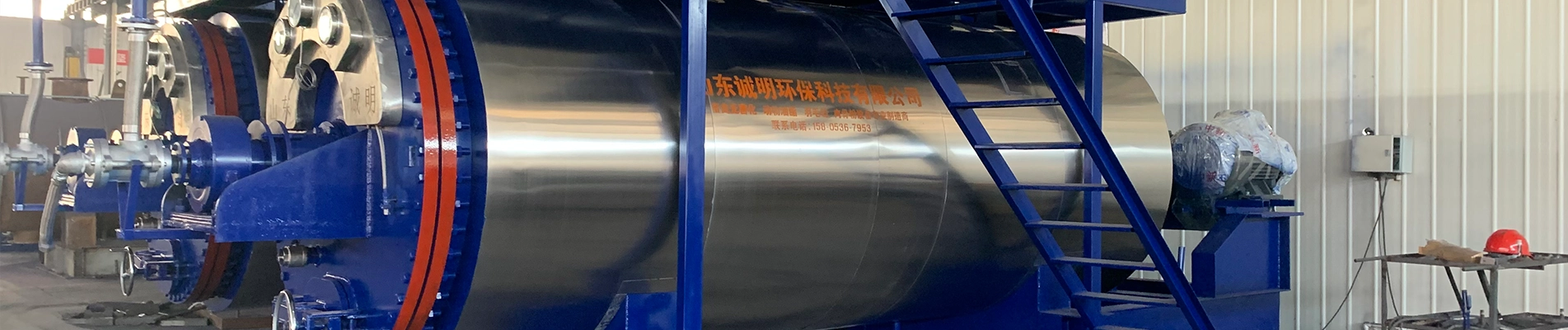
Harmless Treatment Equipment in The Slaughterhouse
In modern meat processing, responsible byproduct management is a critical operational and ethical requirement. Our advanced Slaughterhouse Harmless Treatment Equipment provides a comprehensive and efficient solution for converting animal byproducts into safe, usable materials, ensuring full compliance with stringent environmental and health regulations. This system is engineered to handle the complete rendering process, from raw material intake to final output, with a focus on hygiene, energy efficiency, and odor control. Investing in reliable Harmless Treatment Equipment for Slaughterhouses is not just about regulatory adherence; it's about enhancing your facility's sustainability profile, reducing waste disposal costs, and contributing to a circular economy within the food production industry. Our technology is designed for seamless integration into existing slaughterhouse workflows, minimizing downtime while maximizing processing capacity and safety.
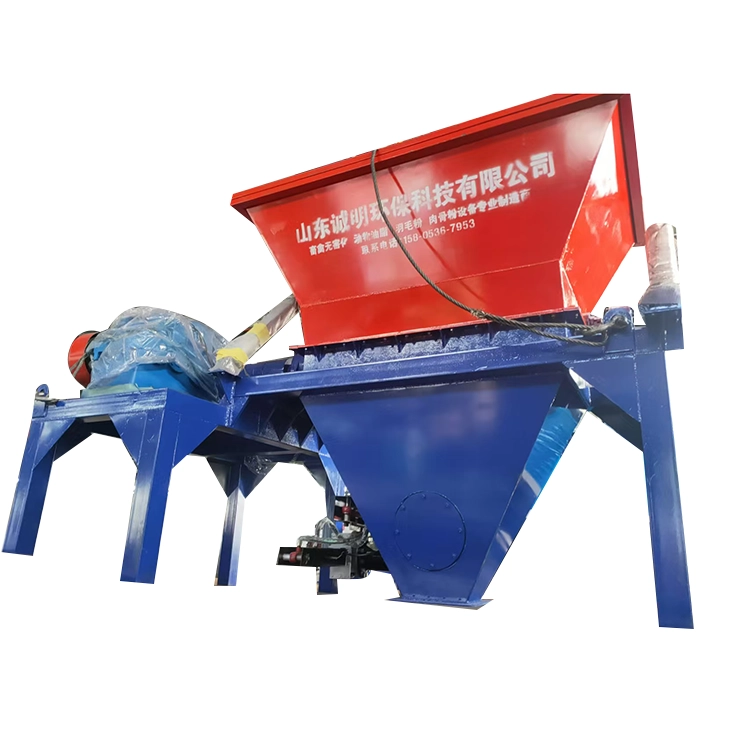
The Vanguard-9000 Rendering System represents the pinnacle of this technology. Its core philosophy is to achieve complete sterilization and material recovery through a continuous, automated process. The system begins with coarse crushing and conveying of raw materials, followed by cooking and sterilization in a pressurized vessel that eliminates pathogens. The subsequent stages involve pressing to separate fat from protein meal, refining the fat into high-quality tallow, and grinding the protein into a consistent powder. Key to its operation is an integrated deodorization unit that actively treats exhaust gases, ensuring the surrounding environment remains free from unpleasant odors. This closed-loop design prioritizes operator safety and community relations. The Vanguard-9000 Rendering System is constructed from high-grade, corrosion-resistant stainless steel for durability and easy cleaning, supporting a strict sanitary protocol essential in food-adjacent processing.
Core Technical Specifications
- Processing Capacity: Configurable models from 5 to 50 metric tons of raw material per 24-hour cycle.
- Sterilization Standard: Achieves >99.99% pathogen reduction, complying with EU and USDA standards.
- Power Configuration: Electric heating or thermal oil heating systems available; total installed power ranges from 380kW to 1250kW depending on model.
- Automation Level: Centralized PLC control with touch-screen HMI for process monitoring, recipe management, and data logging.
- Final Product Output: Produces sterilized protein powder (for animal feed or organic fertilizer) and refined animal fat (for biodiesel or industrial use).
- Safety Features: Includes pressure relief valves, automatic temperature/pressure interlocks, emergency stop systems, and full-area non-slip flooring.
| Model Series | VG-10 | VG-25 | VG-50 |
|---|---|---|---|
| Daily Capacity (Tons) | 10 | 25 | 50 |
| Steam Consumption (kg/h) | 800 - 1,200 | 1,800 - 2,500 | 3,500 - 4,500 |
| Footprint (L x W x H meters) | 18 x 6 x 8 | 25 x 10 x 10 | 35 x 12 x 12 |
| Protein Powder Moisture Content | < 10% | < 10% | < 10% |
| Fat Purity Level | > 95% | > 96% | > 97% |
Operational Advantages
- Odor Elimination: Multi-stage wet scrubbing and bio-filtration system guarantees effective odor abatement, with exhaust emissions meeting Class I air quality standards.
- Energy Recovery: Built-in heat exchangers recycle thermal energy from the cooling process, reducing overall steam demand by up to 20%.
- Low Maintenance: Designed with accessible service points and robust components; major service intervals exceed 2,000 operational hours.
- Wastewater Management: Condensate from the process is treated in an integrated anaerobic digester, significantly reducing the organic load (BOD/COD) before discharge to municipal systems.
Related Products
Hot Products
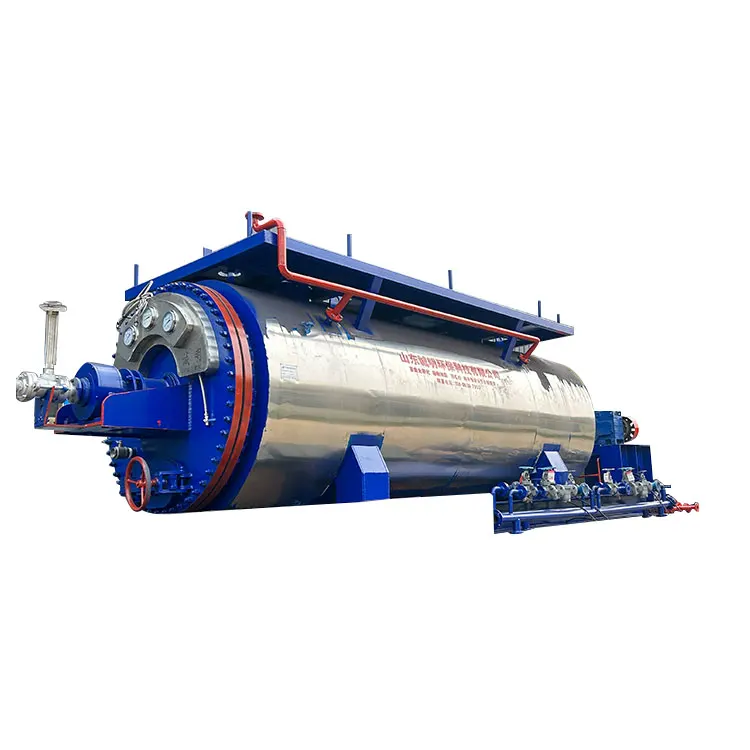
Full Set of Chicken Feather Powder Processing Equipment
Shandong Chengming Environmental Protection is an enterprise that focuses on the research and development, design, manufacturing and sales of complete sets of full set of chicken feather powder processing equipment. We have provided customers with professional equipment and technical services for many years. The equipment produced by our company is well-made, good quality and low price. During the transaction process, we not only provide you with professional pre-sales service, but also have perfect after-sales service to ensure that you get a value-for-money experience. We look forward to becoming your long-term partner in China.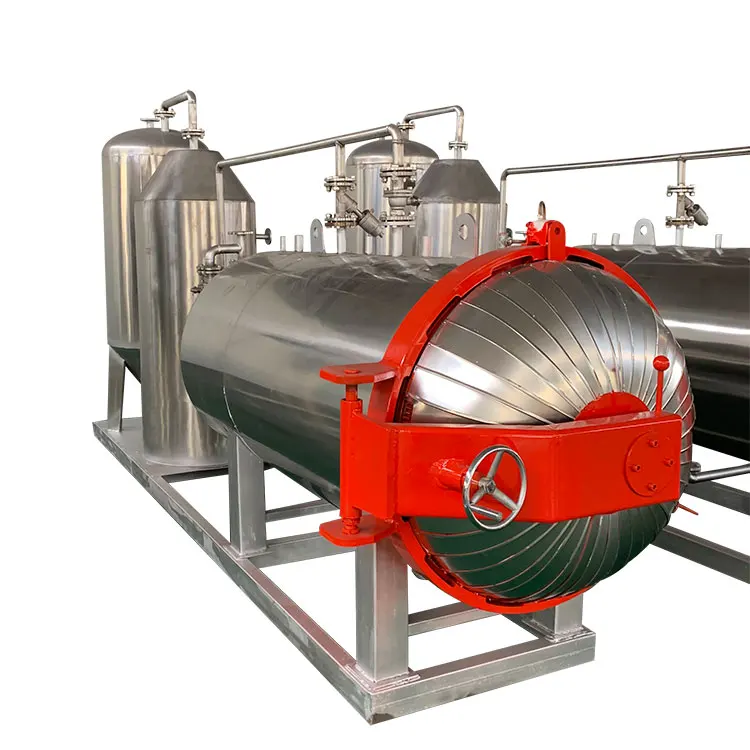
Dead Cattle Harmless Treatment Equipment
Shandong Chengming Environmental Protection is an enterprise focusing on the research and development, design, manufacturing and sales of dead cattle harmless treatment equipment. We have provided customers with professional equipment and technical services for many years. The equipment produced by our company is well-made, of good quality and low price. During the transaction process, we not only provide you with professional pre-sales services, but also have perfect after-sales services to ensure that you get a value-for-money experience. We look forward to becoming your long-term partner in China.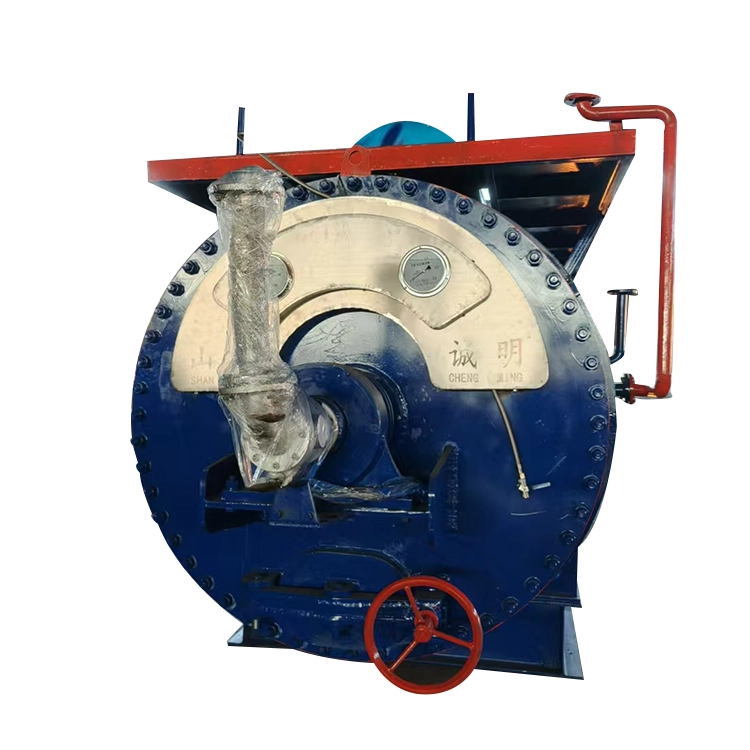
Animal Fat Refining Tank
The animal fat refining tank produced by Chengming is easier to precipitate from the scraps under negative pressure than at room temperature, and avoids direct contact with air to prevent oxidation. The required temperature is lower, the time is shorter, and the oil quality is good.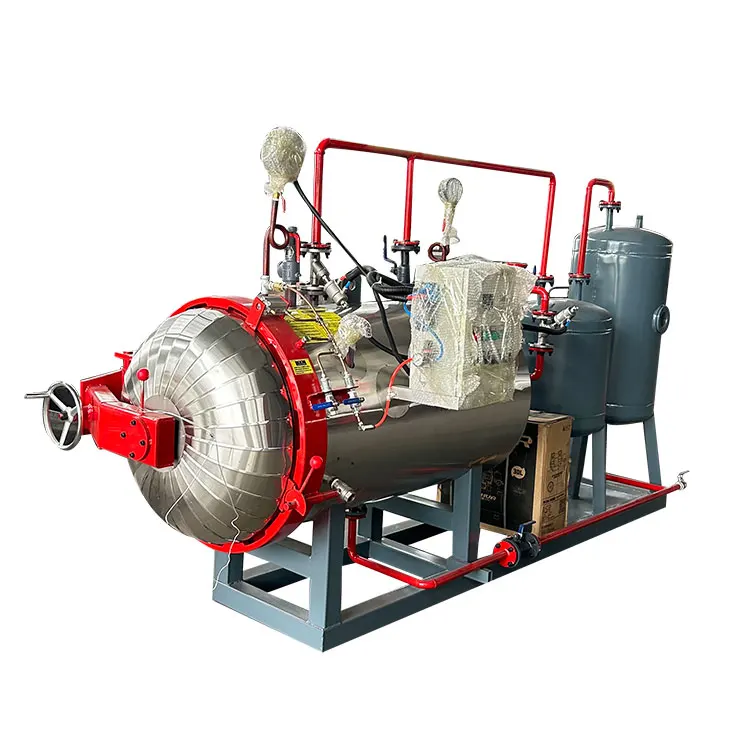
Harmless Treatment Humidifier for Farms
Shandong Chengming Environmental Protection is a company dedicated to the research, design, production, and sales of complete sets of harmless treatment humidifier for farms. Located at No.10616 Shunwang Avenue, Zhucheng City, Shandong Province, the company covers an area of 20,000 square meters, with a factory occupying 8,000 square meters.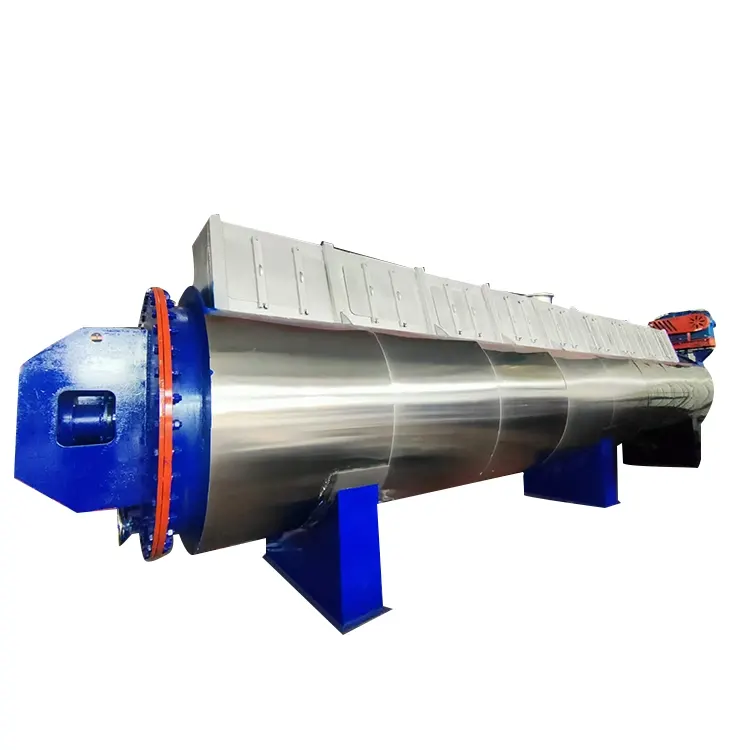
Coil Harmless Treatment Dryer
Shandong Chengming Environmental Protection is a company dedicated to the research, design, production, and sales of complete sets of coil harmless treatment dryer. Located at No.10616 Shunwang Avenue, Zhucheng City, Shandong Province, the company covers an area of 20,000 square meters, with a factory occupying 8,000 square meters.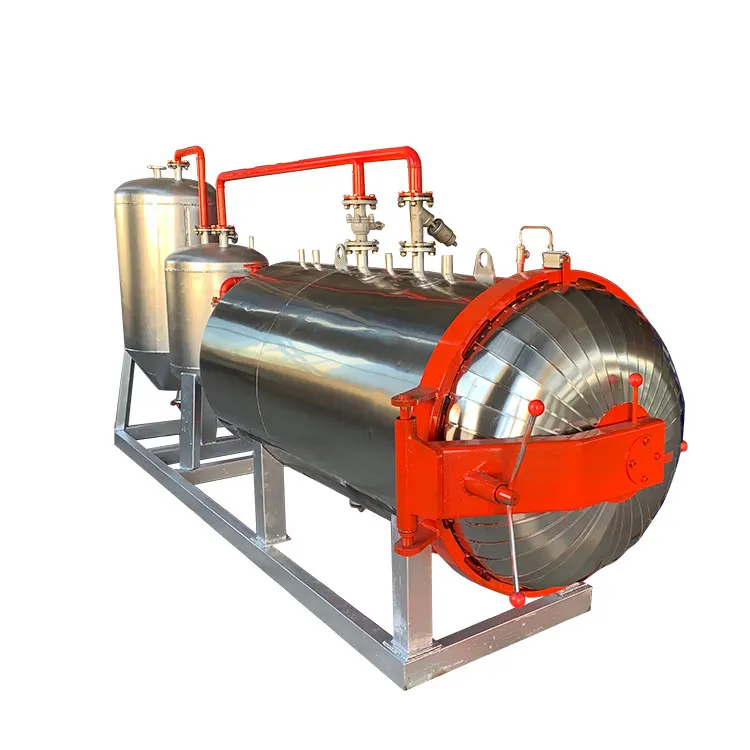
Dead Chicken Harmless Treatment Equipment
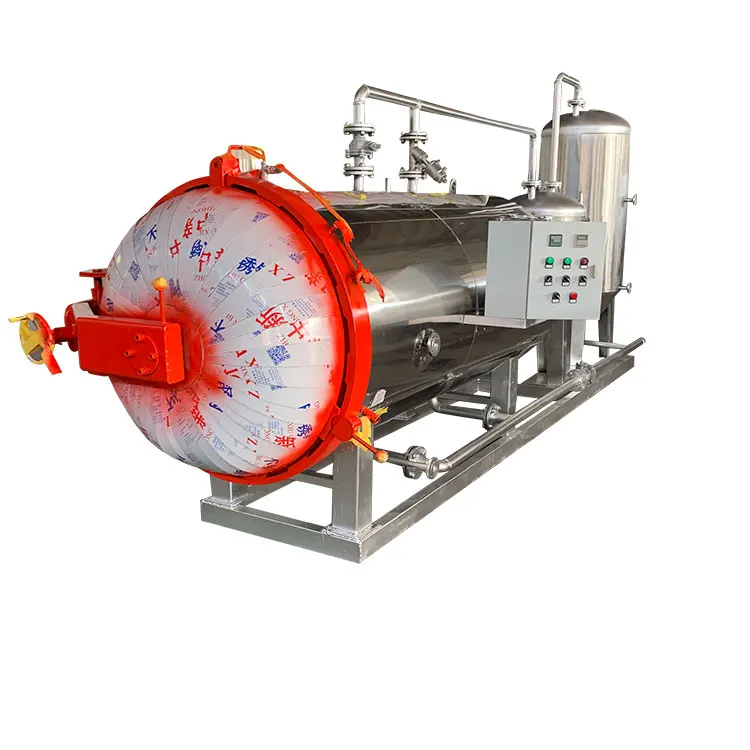
The treatment method of the dead chicken harmless treatment equipment is to use high-temperature and high-pressure saturated steam to directly contact the livestock and poultry carcasses, place the livestock and poultry carcasses in a high-temperature and high-pressure environment, melt the fat, and hydrolyze the protein by wet heat. At the same time, with the help of high temperature and high pressure, the pathogens carried in the livestock and poultry carcasses are killed.
- Related Blog
- Reviews
